

Original Coverage & Source Attribution: screenrant.com
Some filmmakers deliberately lead audiences to believe they’re following one character’s story, only to shift the focus to someone else once the narrative is underway. Filmmakers have plenty of ways to play with expectations, whether by introducing an apparently obvious protagonist, giving a supporting character the kind of screen presence usually reserved for a leading role, or deliberately shifting the focus once viewers have settled into a familiar narrative. Done well, these tricks can completely transform a movie, turning an otherwise conventional story into something far more unpredictable.
Of course, simply killing off a major character or changing perspectives doesn’t automatically make for a brilliant twist. The best examples establish a character who genuinely feels like the protagonist, giving audiences enough reason to invest in their journey before pulling the rug out from under them. Some are particularly effective because the replacement protagonist is even more interesting, while others use the change to explore an entirely different genre, theme, or perspective.
It’s a tricky narrative device to pull off, but these movies demonstrate just how much more memorable a story can become when audiences realize they’ve been following the wrong person.
10
Death Proof (2007)
Quentin Tarantino’s Death Proof is structured around two groups of women, with Kurt Russell’s Stuntman Mike initially appearing to be the connecting figure between them. The first half gives audiences every reason to believe that Jungle Julia (Sydney Tamiia Poitier), Shanna (Jordan Ladd), and Arlene (Vanessa Ferlito) are the film’s central characters – at least until Mike murders them.
It’s an undeniably shocking change of direction, particularly because Tarantino has spent so long making the first group feel like the protagonists of a relatively relaxed hangout movie. The second half introduces Zoë (Zoë Bell), Kim (Tracie Thoms), and Abernathy (Rosario Dawson), whose confrontation with Mike turns the film into a very different kind of revenge thriller.
The switch is effective and shocking in its violence, but the first group aren’t particularly developed, making them less compelling as some other pretend protagonists.
9
Barbarian (2022)
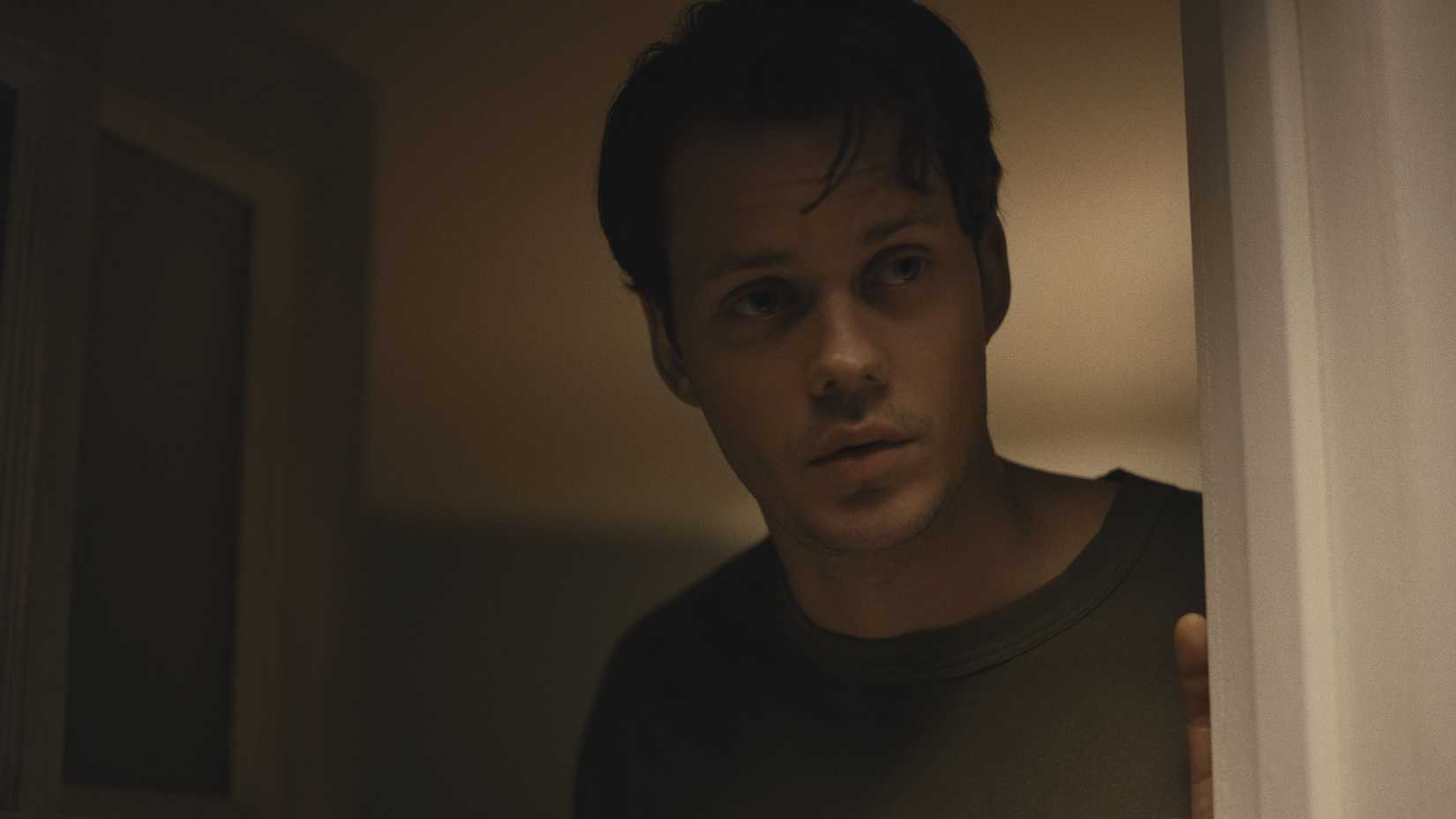

Barbarian makes excellent use of its changing perspectives, initially encouraging audiences to believe that Tess (Georgina Campbell) and Keith (Bill Skarsgård) will be the central pairing in a straightforward horror story. When Tess arrives at her rental property and discovers that Keith has already checked in, their uneasy relationship provides the foundation for the film’s early tension.
Just as audiences begin to settle into that dynamic, Barbarian changes direction. A new section introduces AJ (Justin Long), a Hollywood actor whose arrival in Detroit initially seems completely disconnected from Tess’s predicament.
Barbarian then gradually brings these separate perspectives together, revealing how their stories intersect in increasingly disturbing ways. This gives both sides of its narrative enough personality to make the change compelling. It’s a terrific bait-and-switch, even if not the most sophisticated.
8
The Hunt (2020)
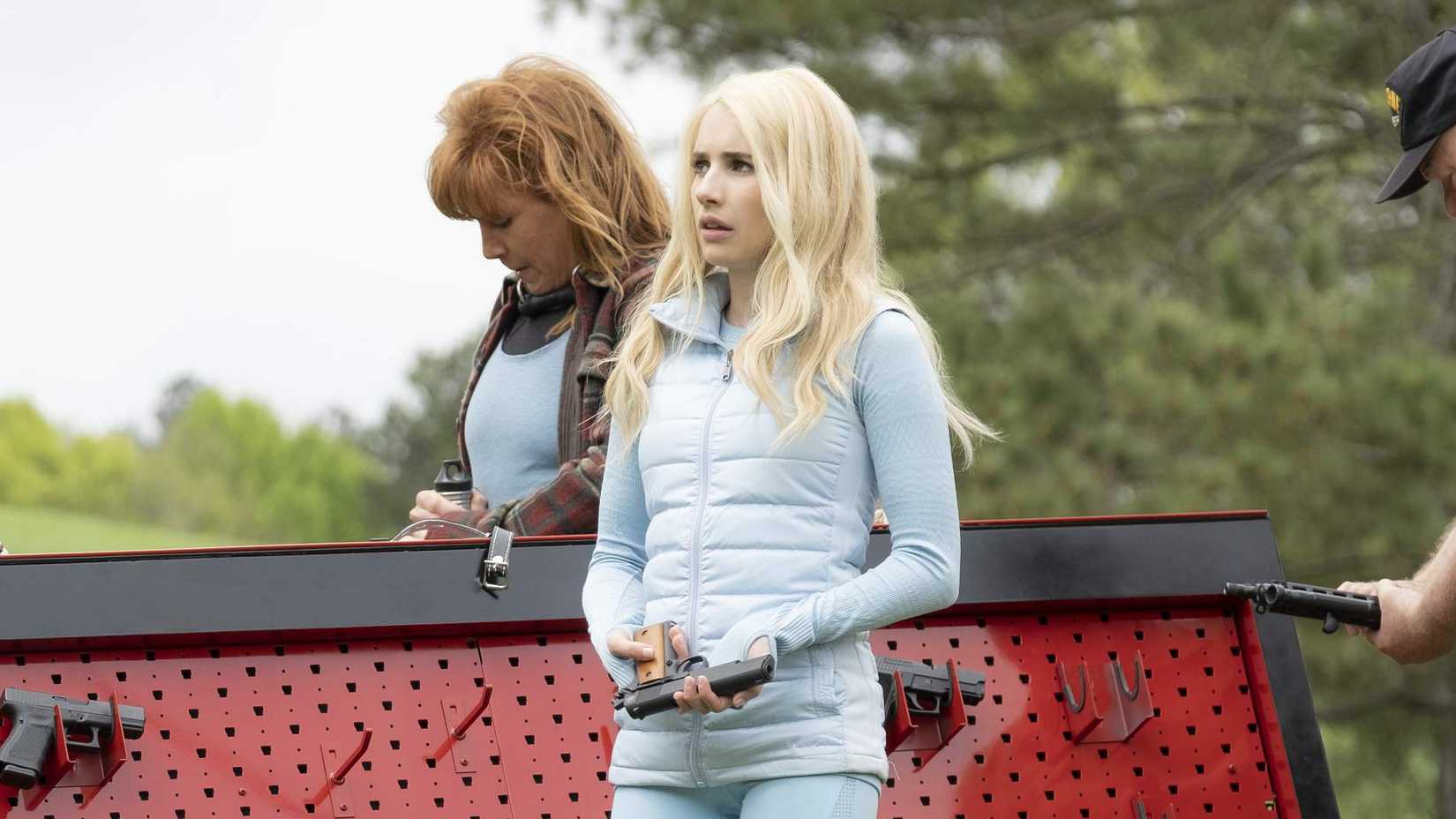
Few movies have as much fun misleading audiences about their protagonist as The Hunt. The satirical thriller begins by introducing a collection of strangers who find themselves being hunted by wealthy elites, but it repeatedly changes focus before settling on its actual central character.
Athena (Hilary Swank), Richard (Glenn Howerton), Randy (Ethan Suplee), Yoga Pants (Emma Roberts), Trucker (Justin Hartley), and Staten Island (Ike Barinholtz) all appear to have the potential to become the film’s lead. However, nearly every apparent protagonist meets an abrupt and often ridiculous end.
Even Yoga Pants, whose star casting and extended screen time suggest she might finally be the person audiences should follow, is dispatched before the story reaches its real destination. Each character provides a different perspective on the political divisions and assumptions being satirized, setting up the narrative very effectively – though slightly hampering the audience’s connection with the real protagonist.
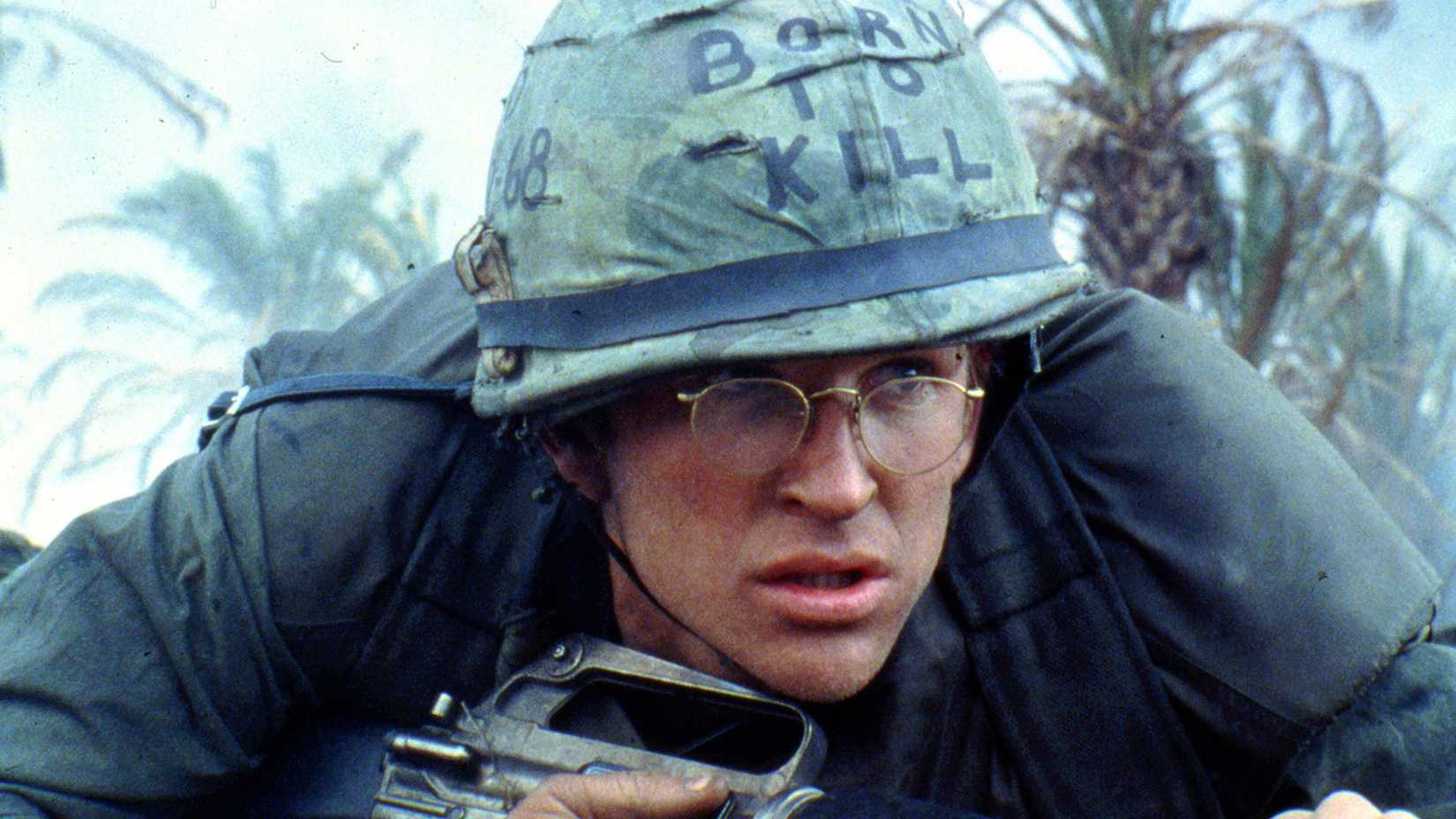
Stanley Kubrick’s Full Metal Jacket doesn’t quite pull off a conventional protagonist switch, but instead divides the story into two distinct halves. The first section focuses on Private Leonard “Gomer Pyle” Lawrence (Vincent D’Onofrio) and the brutal training regime imposed by Gunnery Sergeant Hartman (R. Lee Ermey).
Although Matthew Modine’s Private Joker is present throughout, Pyle’s increasingly tragic transformation appears to be the emotional core of the film. After the devastating conclusion of the training section, the story moves to Vietnam, where Joker takes center stage.
The change is striking, replacing the claustrophobic training camp with a very different examination of the Vietnam War. Through the two sections are connected by their exploration of military conditioning and the dehumanizing effects of violence, they have remarkably different characters, settings, and narrative priorities.
6
Scream (1996)
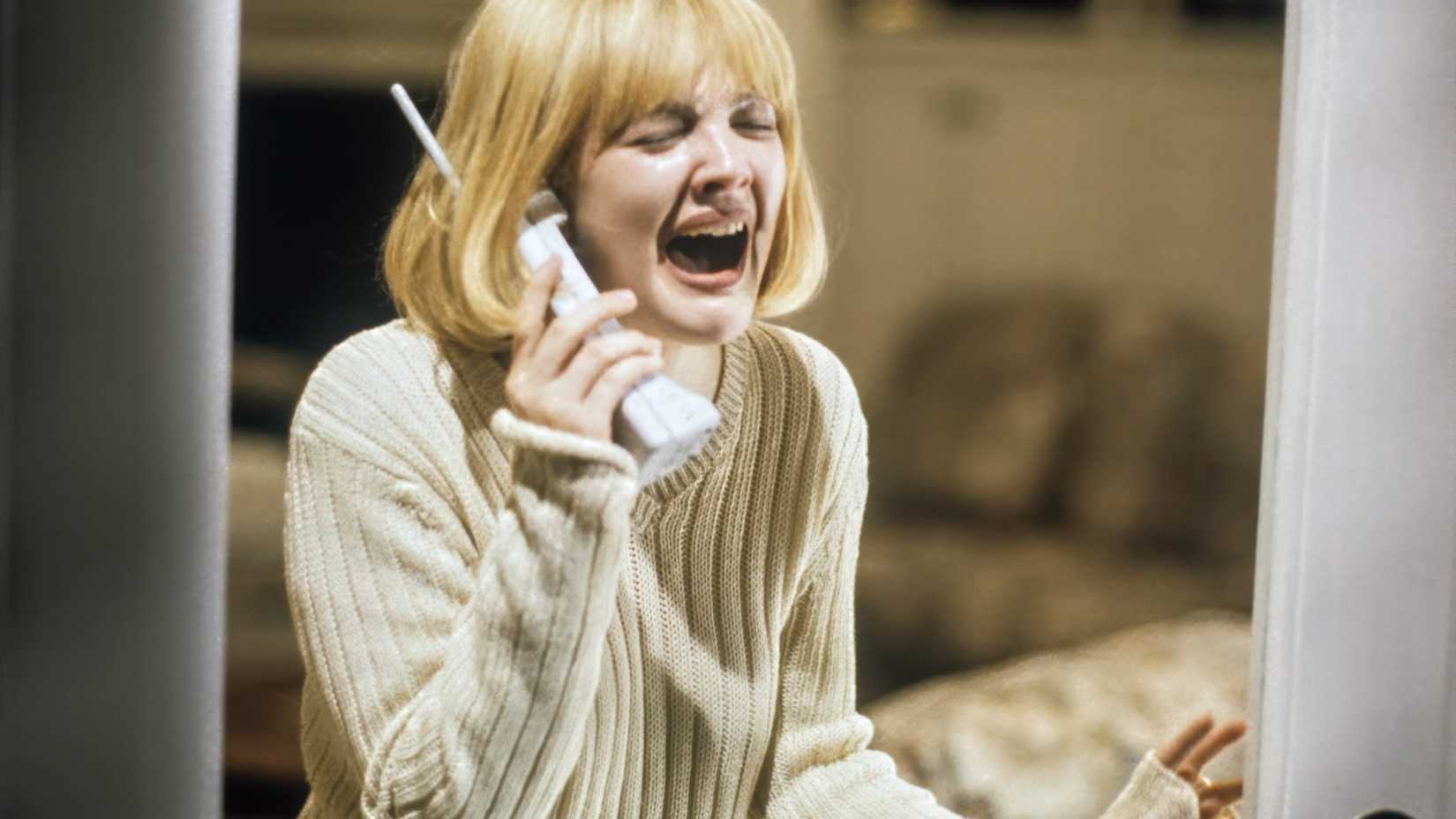
Wes Craven’s Scream famously uses Drew Barrymore’s star power to convince audiences that Casey Becker will be the film’s central character. Barrymore was prominently featured in the marketing, and her presence gives the opening sequence the appearance of a traditional horror-movie introduction to its heroine.
Instead, Casey becomes Ghostface’s first major victim, establishing that nobody is necessarily safe simply because they appear to be the biggest name in the cast. The decision is particularly clever because Scream is so knowledgeable about horror conventions.
Its characters regularly discuss the rules of slasher movies, including the tendency for audiences to assume that certain characters are protected by their apparent importance to the story. Craven uses that familiarity against viewers, making the opening murder a statement of intent for Scream‘s entire approach to genre expectations.
5
The Place Beyond The Pines (2012)
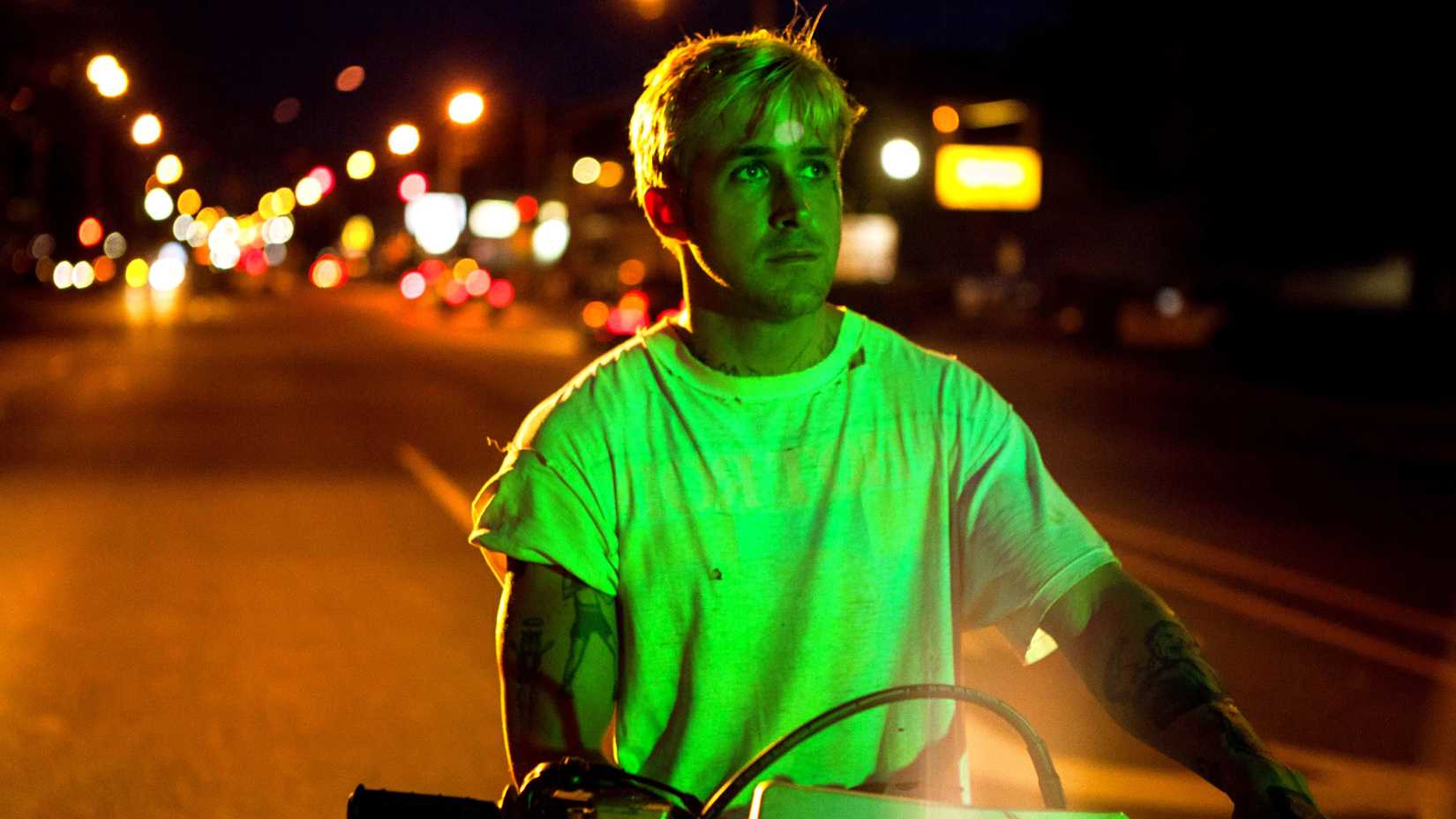
The Place Beyond the Pines initially looks like a crime thriller centered on Ryan Gosling’s Luke Glanton, a motorcycle stunt rider who turns to bank robbery after discovering he has a son. Gosling’s star presence, along with the film’s early focus on Luke’s desperate attempts to provide for his family, makes him feel like the obvious lead.
Then Luke’s story ends, and the film shifts its attention to Bradley Cooper’s Avery Cross, the police officer involved in the events surrounding his death. It eventually moves forward again, following the sons of both men as they grow up and discover the consequences of their fathers’ actions.
The three-part structure turns The Place Beyond The Pines‘s initial story about crime and police corruption into a multi-generational drama about inherited guilt, resentment, and the damage parents can pass on to their children.
4
No Country For Old Men (2007)
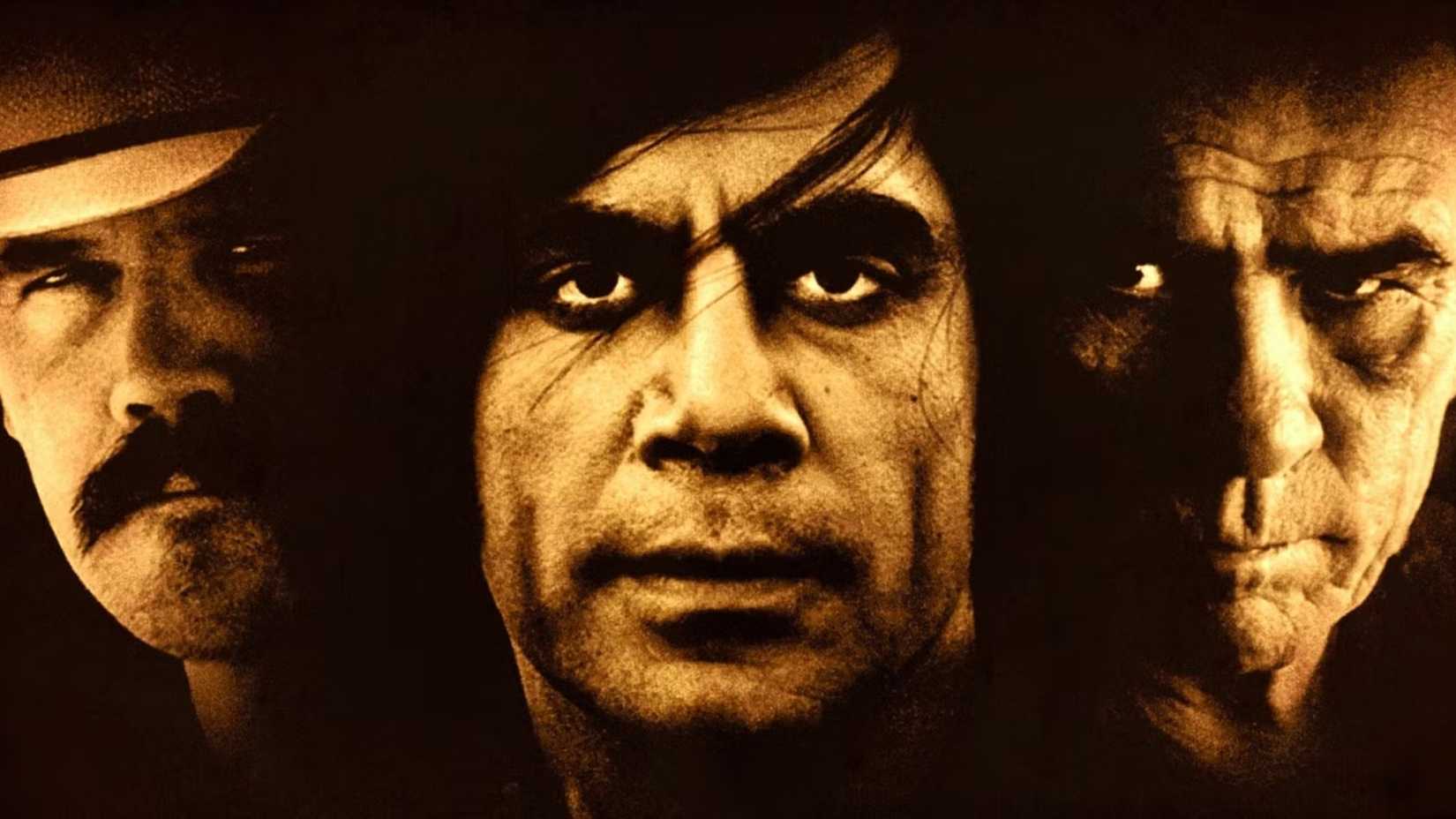
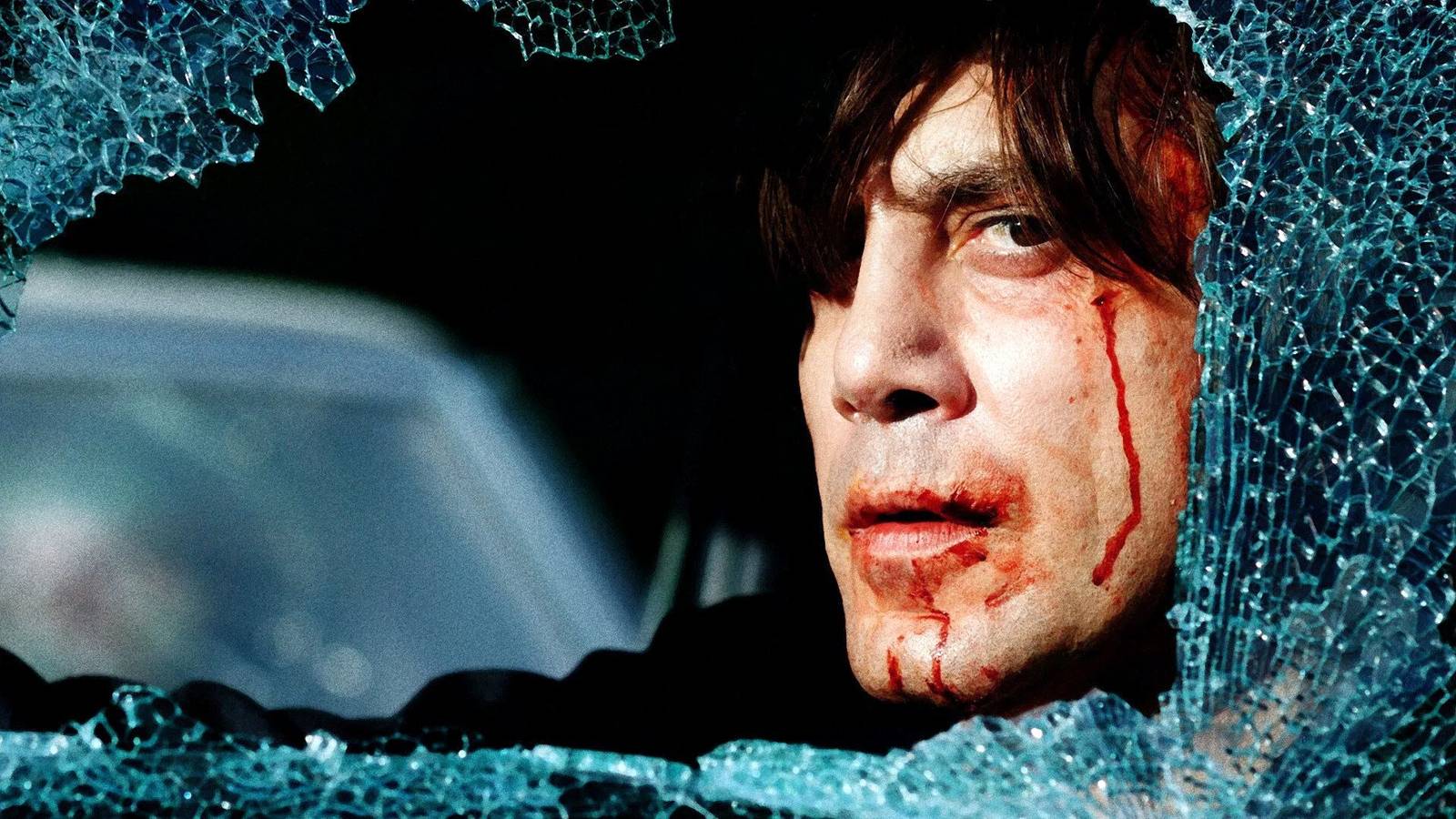
The Coen brothers’ No Country for Old Men initially appears to be a straightforward chase thriller centered on Llewelyn Moss (Josh Brolin), a hunter who discovers a case of money at the scene of a drug deal gone wrong. His attempts to escape Anton Chigurh (Javier Bardem) provide the narrative with much of its early momentum, and audiences naturally expect their eventual confrontation to determine the story’s outcome.
However, No Country for Old Men gradually subverts this. Chigurh’s relentless pursuit becomes more central, while Sheriff Ed Tom Bell (Tommy Lee Jones) emerges as the film’s moral and philosophical anchor. Moss’s story ends abruptly, and No Country for Old Men refuses to provide the conventional showdown that viewers expected.
Instead, Bell’s growing inability to understand or confront the violence around him becomes the real emotional focus. This change allowed No Country for Old Men to explore deeper themes than many Westerns, helping to modernize the genre.
3
The Godfather (1972)
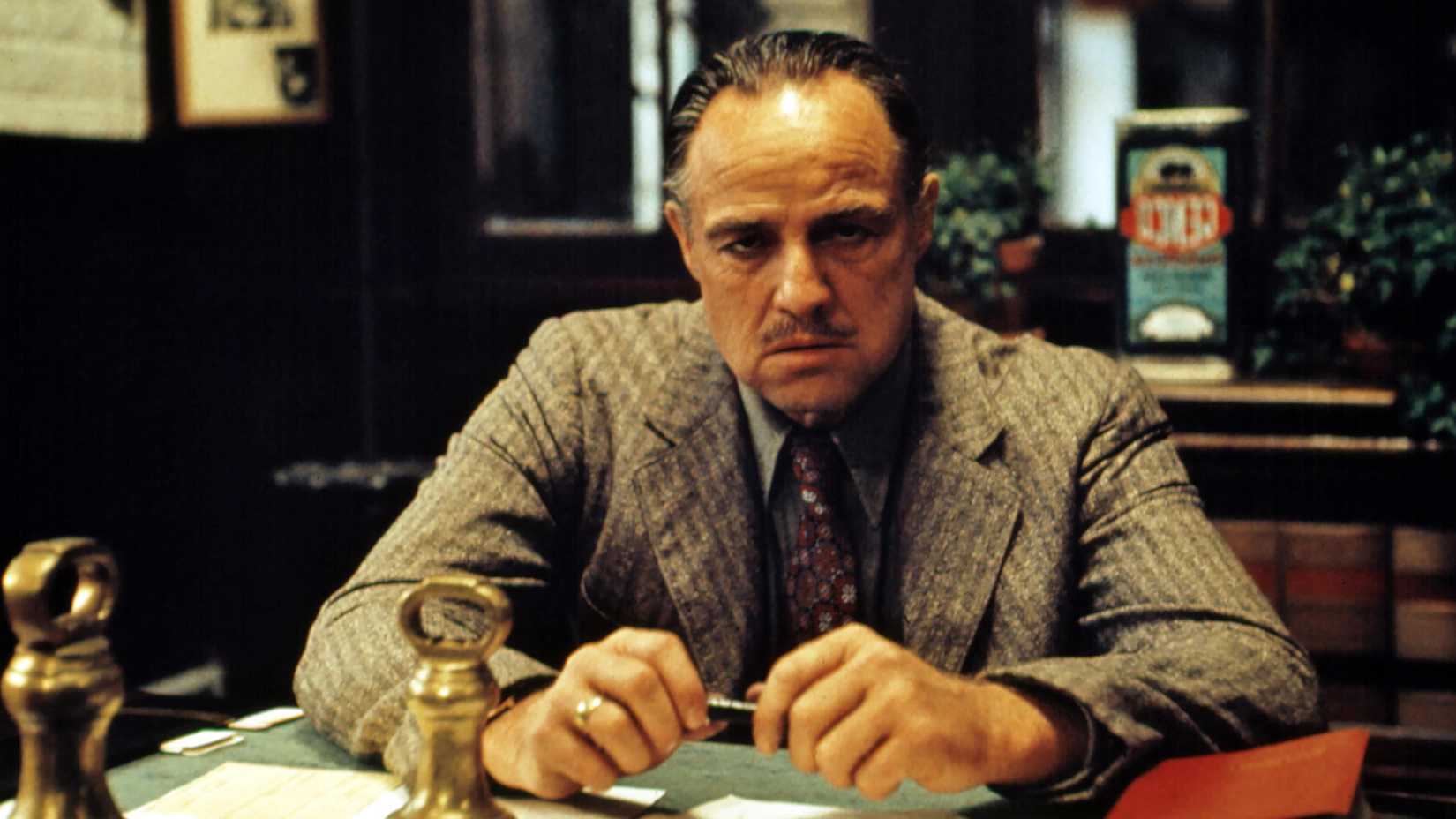
Francis Ford Coppola’s The Godfather has one of cinema’s most effective examples of an actor’s presence misleading audiences. Marlon Brando’s Don Vito Corleone dominates the film’s marketing, its reputation, and its opening sequence. He’s introduced as a powerful patriarch whose influence extends well beyond the criminal organization he commands, and his performance is so commanding that it’s easy to assume he’s the central character.
However, the real protagonist is his son Michael (Al Pacino), whose initial reluctance to become involved in the family business makes his gradual transformation all the more compelling.
It’s a brilliant piece of character development, using an established crime boss as the origin story for an even more calculating successor. Brando’s performance is so iconic that those who haven’t seen the film can be surprised by just how much of it belongs to Pacino.
2
Alien (1979)

Ridley Scott’s Alien initially gives audiences reason to believe that Captain Dallas (Tom Skerritt) will be its leading character. Skerritt was the most established star in the cast, and Dallas’s position as commander of the Nostromo naturally makes him seem like the person who will guide the crew through their increasingly dangerous encounter with the alien.
Alien instead gradually shifts its attention towards Sigourney Weaver’s Ellen Ripley, whose authority and practical instincts become vital. The transition is especially effective because Ripley isn’t immediately presented as a conventional action heroine. She’s a capable officer who follows procedure, challenges questionable decisions, and takes the threat seriously, even when her colleagues don’t.
Once Dallas is gone, Ripley emerges as the most rational character and, by extension, is the person who audiences root for. This strengthens the film’s feminist credentials, making it one of the most effective uses of the protagonist switch in cinematic history.
1
Psycho (1960)

Alfred Hitchcock’s Psycho is the definitive example of a film convincing audiences that they’re following one protagonist before abruptly revealing that the story has entirely different priorities. Janet Leigh’s Marion Crane is introduced as the central character, and the early scenes establish a compelling dilemma involving her dissatisfaction with her life, her decision to steal money, and her attempt to escape the consequences.
Hitchcock gives Marion enough depth and motivation to make audiences genuinely invested in what happens to her. Marion’s murder is one of cinema’s most famous shocks, not least because it happens before the film has even reached its halfway point.
Hitchcock completely dismantles the narrative audiences thought they were watching. The stolen money, which initially seems central to the story, becomes largely forgotten, while the focus shifts to Norman Bates (Anthony Perkins), his unsettling relationship with his mother, and the mystery surrounding the Bates Motel. Countless movies have borrowed the idea, but Psycho remains the gold standard.



