

Original Coverage & Source Attribution: www.cbr.com
Studio Ghibli has created some of the most recognizable images in animation. Many of its popular films have earned their reputations, but they represent only part of what Ghibli can do. Beyond its biggest fantasy adventures, the studio has explored family life, environmental destruction, artistic ambition and the complicated process of growing up.
Some of its finest films find wonder in familiar experiences, while others use magic and comedy to examine serious issues. “Underrated” does not mean these movies lack admirers. Several have earned critical acclaim and passionate followings. Nevertheless, beside Ghibli’s most widely celebrated titles, they are still largely overlooked by viewers deciding where to go next.
Ocean Waves Captures the Awkwardness of Growing Up
Close
-
Rikako and Taku in Ocean Waves Image via Studio Ghibli -
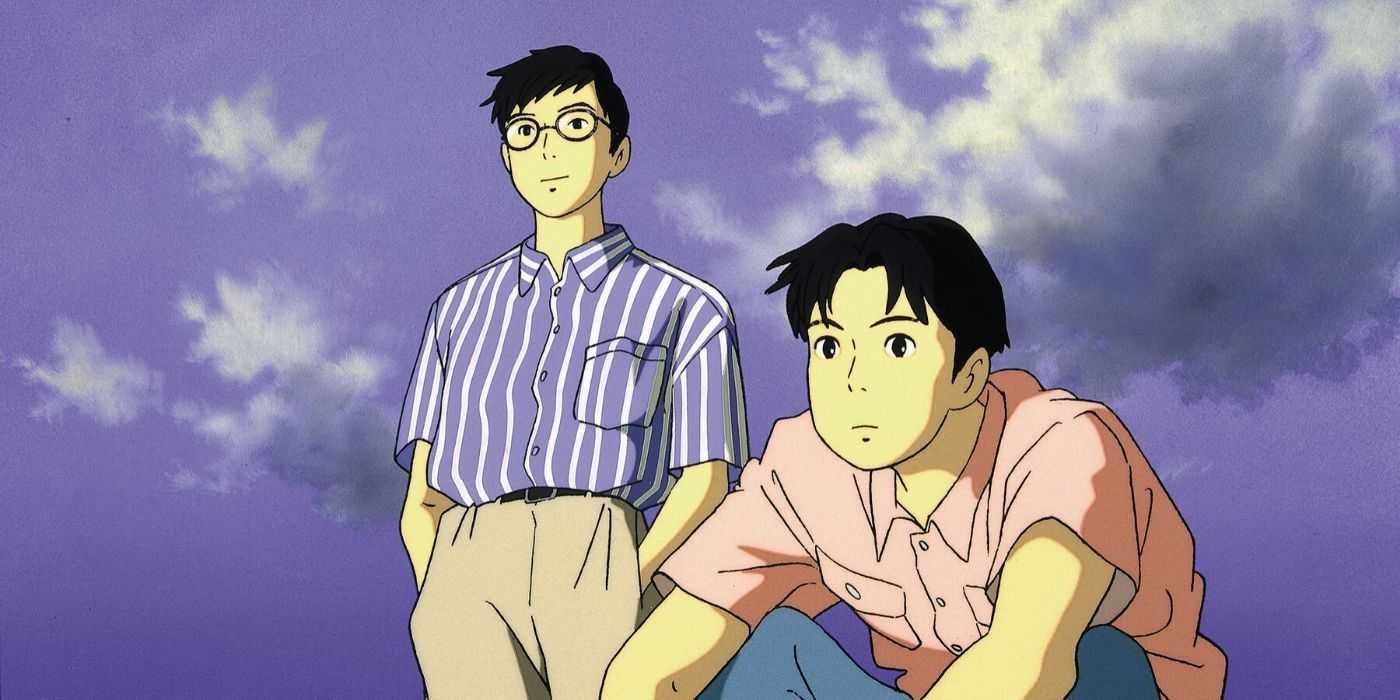
Yutaka and Taku from Ocean Waves. Image via Studio Ghibli
-
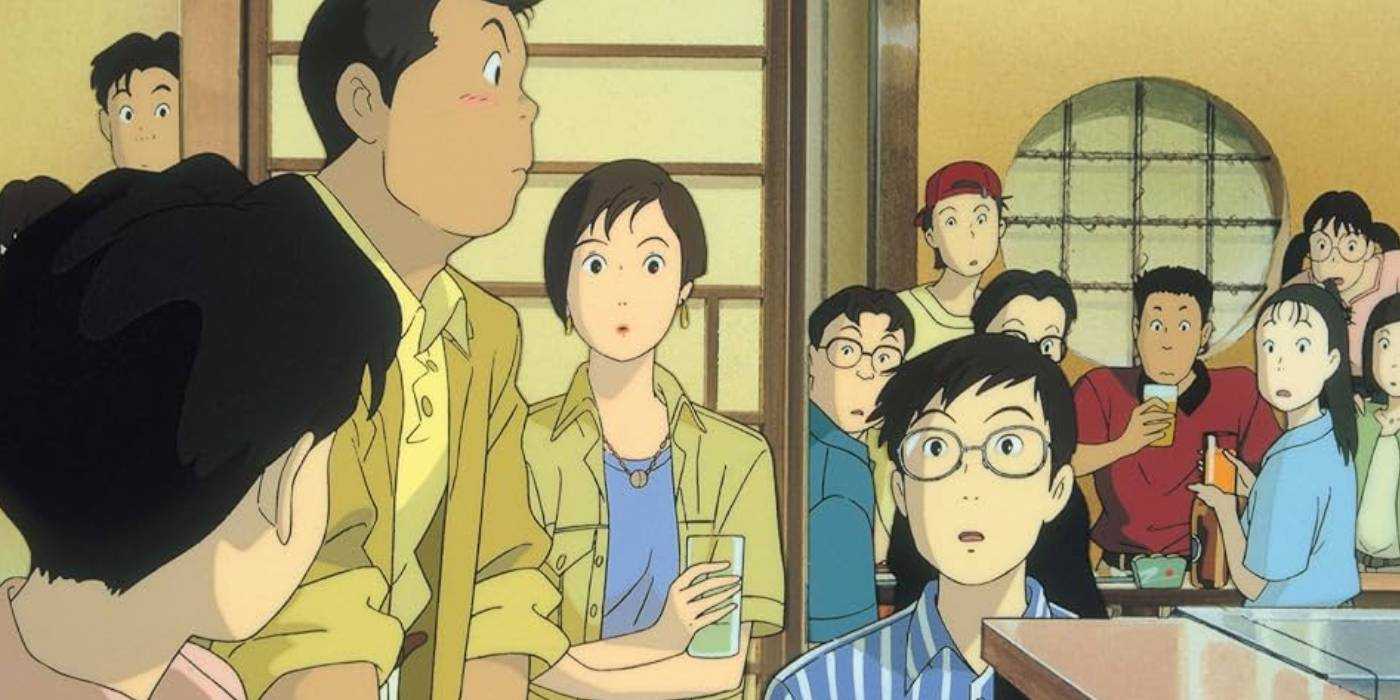
The class reunion in Ocean Waves Image via Studio Ghibli

Ocean Waves opens with Taku Morisaki reflecting on his time in high school and the arrival of Rikako Muto, a female student who transferred from Tokyo. Rikako’s complicated family circumstances and strong personality unsettle the other characters’ familiar routines, while rumors and assumptions make their interactions even more difficult. The characters are not necessarily all likable people.
Taku is quite insensitive, Rikako is very defensive, and their actions can be infuriating at times. However, these flaws add to the story’s authenticity, something more polished romances sometimes lack. The quieter reputation of Ocean Waves can make it easy to skip, but its understated account of teenage isolation offers a change of pace within the studio’s catalog.
NEW
Higher or Lower
Can You Price Real Pokémon Pulls?
4 graded cards, 6 seconds each. Faster answers score more.
Play
Play
Play
Play
Card 1/4
Total: pts
Pikachu Holo
McDonald’s 25th Anniversary · PSA 10
Worth more or less than
$180
▲ Higher
▼ Lower
Real value
$385
Time’s upMiss
Card 2/4
Total: pts
Mewtwo Holo
Base Set 1st Edition · PSA 8
Worth more or less than
$7,500
▲ Higher
▼ Lower
Real value
$3,900
Time’s upMiss
Card 3/4
Total: pts
Charizard ex
Paldean Fates · PSA 9
Worth more or less than
$15
▲ Higher
▼ Lower
Real value
$25
Time’s upMiss
Card 4/4
Total: pts
Lugia Holo
Japanese Neo Genesis · PSA 9
Worth more or less than
$1,900
▲ Higher
▼ Lower
Real value
$987
Time’s upMiss
Card 1/4
Total: pts
Charizard ex Special Illustration Rare
151 · PSA 10
Worth more or less than
$2,950
▲ Higher
▼ Lower
Real value
$1,382
Time’s upMiss
Card 2/4
Total: pts
Charizard GX
Hidden Fates Tin Promo · PSA 9
Worth more or less than
$25
▲ Higher
▼ Lower
Real value
$49
Time’s upMiss
Card 3/4
Total: pts
M Blastoise EX Full Art
Evolutions · PSA 10
Worth more or less than
$190
▲ Higher
▼ Lower
Real value
$397
Time’s upMiss
Card 4/4
Total: pts
Pikachu
Jungle 1st Edition · PSA 8
Worth more or less than
$200
▲ Higher
▼ Lower
Real value
$90
Time’s upMiss
Card 1/4
Total: pts
Lugia Holo
Japanese Neo Genesis · PSA 9
Worth more or less than
$520
▲ Higher
▼ Lower
Real value
$987
Time’s upMiss
Card 2/4
Total: pts
Pikachu Holo
McDonald’s 25th Anniversary · PSA 10
Worth more or less than
$820
▲ Higher
▼ Lower
Real value
$385
Time’s upMiss
Card 3/4
Total: pts
Mewtwo Holo
Base Set 1st Edition · PSA 8
Worth more or less than
$1,950
▲ Higher
▼ Lower
Real value
$3,900
Time’s upMiss
Card 4/4
Total: pts
Charizard ex
Paldean Fates · PSA 9
Worth more or less than
$50
▲ Higher
▼ Lower
Real value
$25
Time’s upMiss
Card SharkSharp EyeNot BadRookie Collector
pts
of 4 right. Now
rip a real pack.
Must be 18+/19+ to participate depending on
jurisdiction.
My Neighbors the Yamadas Celebrates a Perfectly Imperfect Family
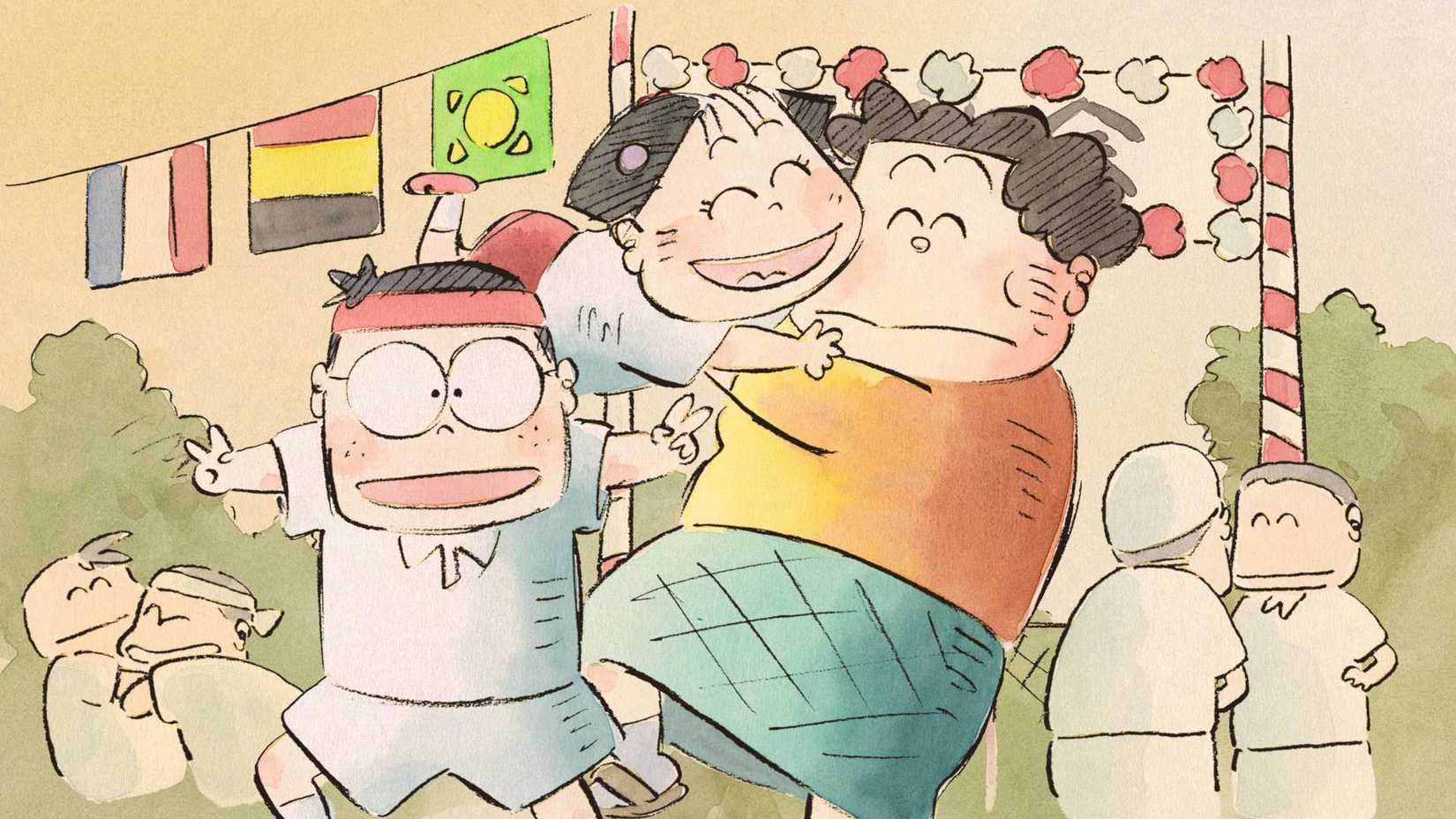

My Neighbors the Yamadas captures the everyday life of a typical family through disagreements, embarrassing incidents, and affectionate moments. The film’s episodic format allows each family member their time in the limelight. Adults struggle with their duties, and kids long for freedom. Even small domestic problems can grow into elaborate comic events.
Its visual style immediately sets it apart from much of Ghibli’s catalog. The characters appear in a loosely drawn world reminiscent of the comic strip that the movie is based on. The film may not have the grandiose feel that Ghibli movies are famous for, but the heartwarming comedy makes the Yamadas delightful company.
The Cat Returns Packs an Empowering Story Into a Playful Adventure
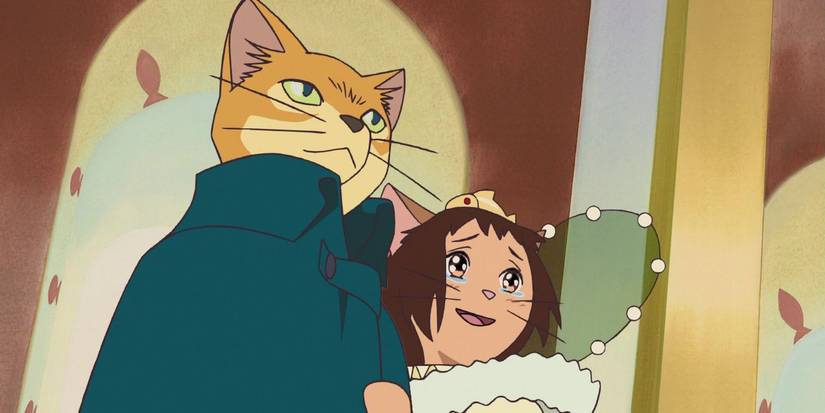

Haru’s act of kindness in The Cat Returns sets off a very strange problem. After she saves a cat from traffic, she discovers that he is a prince. Unfortunately, the Cat King decides Haru should marry his son. Her journey into the Cat Kingdom leads to a wonderfully strange assortment of characters.
Under the humor is a story about self-confidence. At first, Haru is timid and easily manipulated, leaving her vulnerable to people who tell her how to live. Haru’s journey compels her to speak up for herself before she becomes unable to go back to her normal life. The film’s brisk pace makes it an easy recommendation.
From Up on Poppy Hill Finds Beauty in Preserving the Past
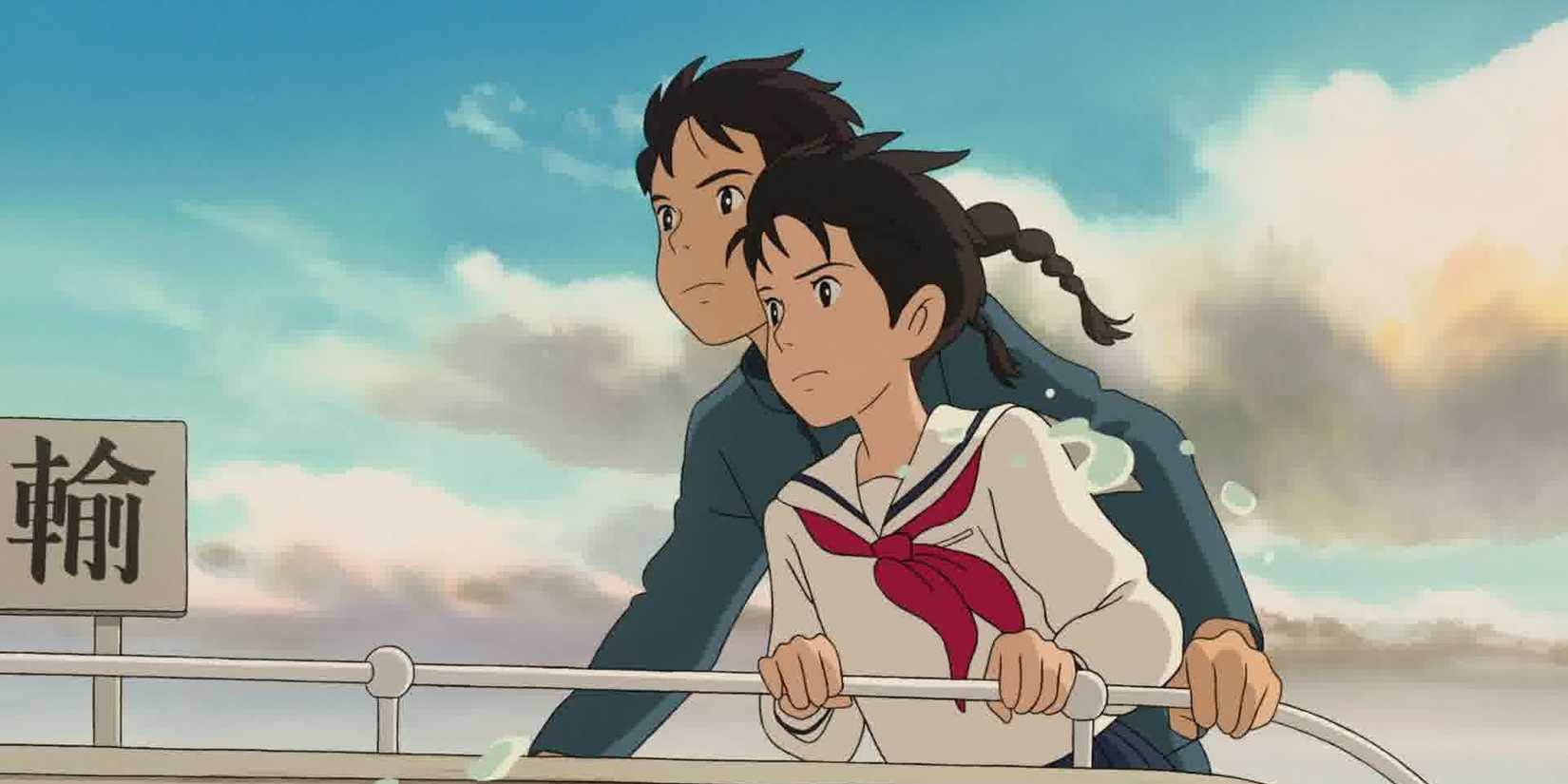

Set in Yokohama in 1963, From Up on Poppy Hill follows Umi Matsuzaki and Shun Kazama as students campaign to save their school’s aging clubhouse from demolition. Their efforts unfold at a moment when Japan is preparing for the 1964 Olympics and looking toward modernization. This setting gives the clubhouse dispute a larger significance.
Progress may bring exciting possibilities, but it can also erase places that hold a community’s history. Umi and Shun’s developing relationship adds another kind of uncertainty. As they grow closer, questions about their families’ past force them to reconsider what their connection might mean. From Up on Poppy Hill understands why preserving something imperfect can still be important.
The Secret World of Arrietty Reveals the Wonders and Dangers of Everyday Life
Close
-
-
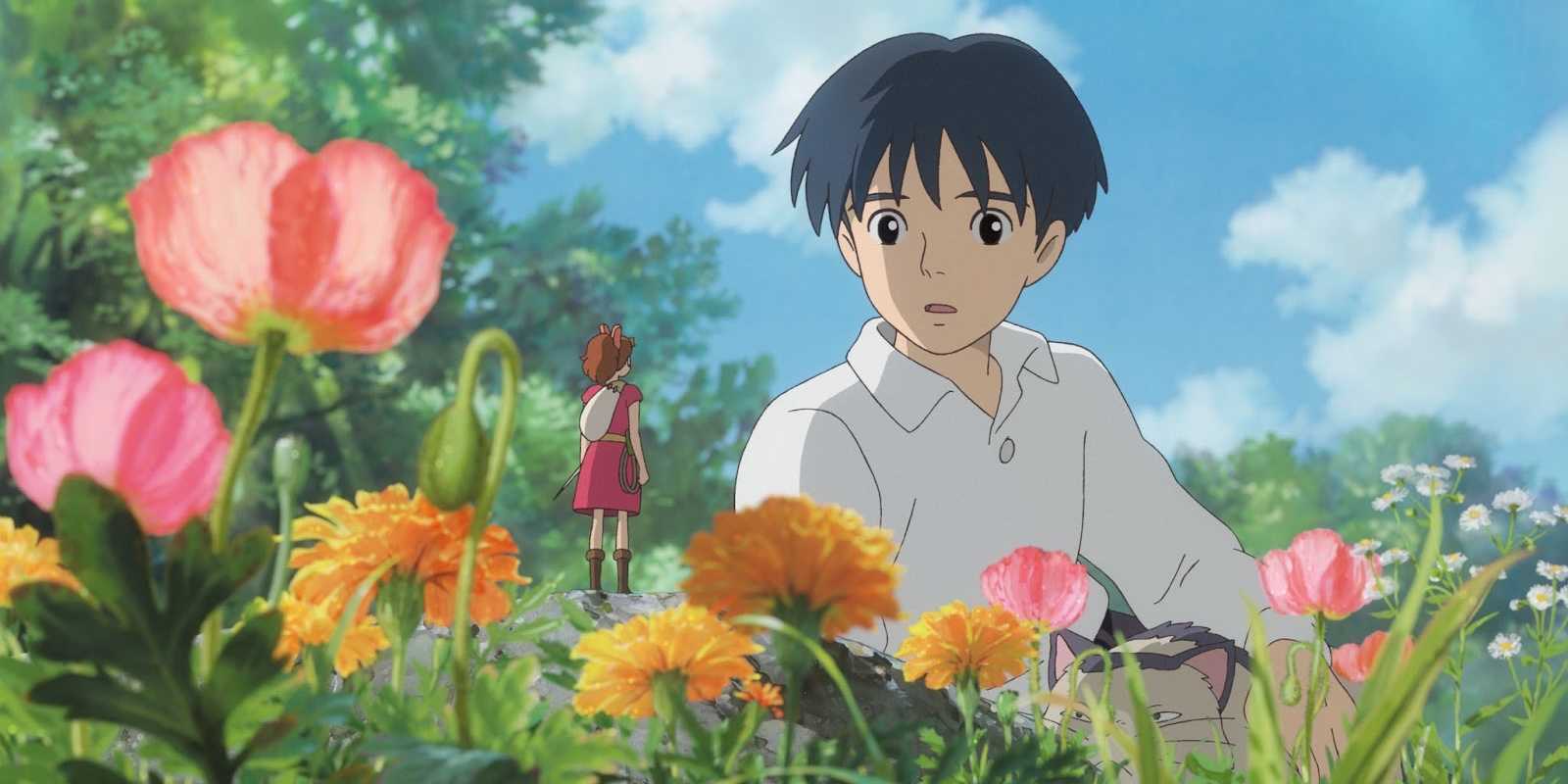
Arrietty meets Sho in the garden in Studio Ghibli’s The Secret World of Arrietty. Image via Studio Ghibli -
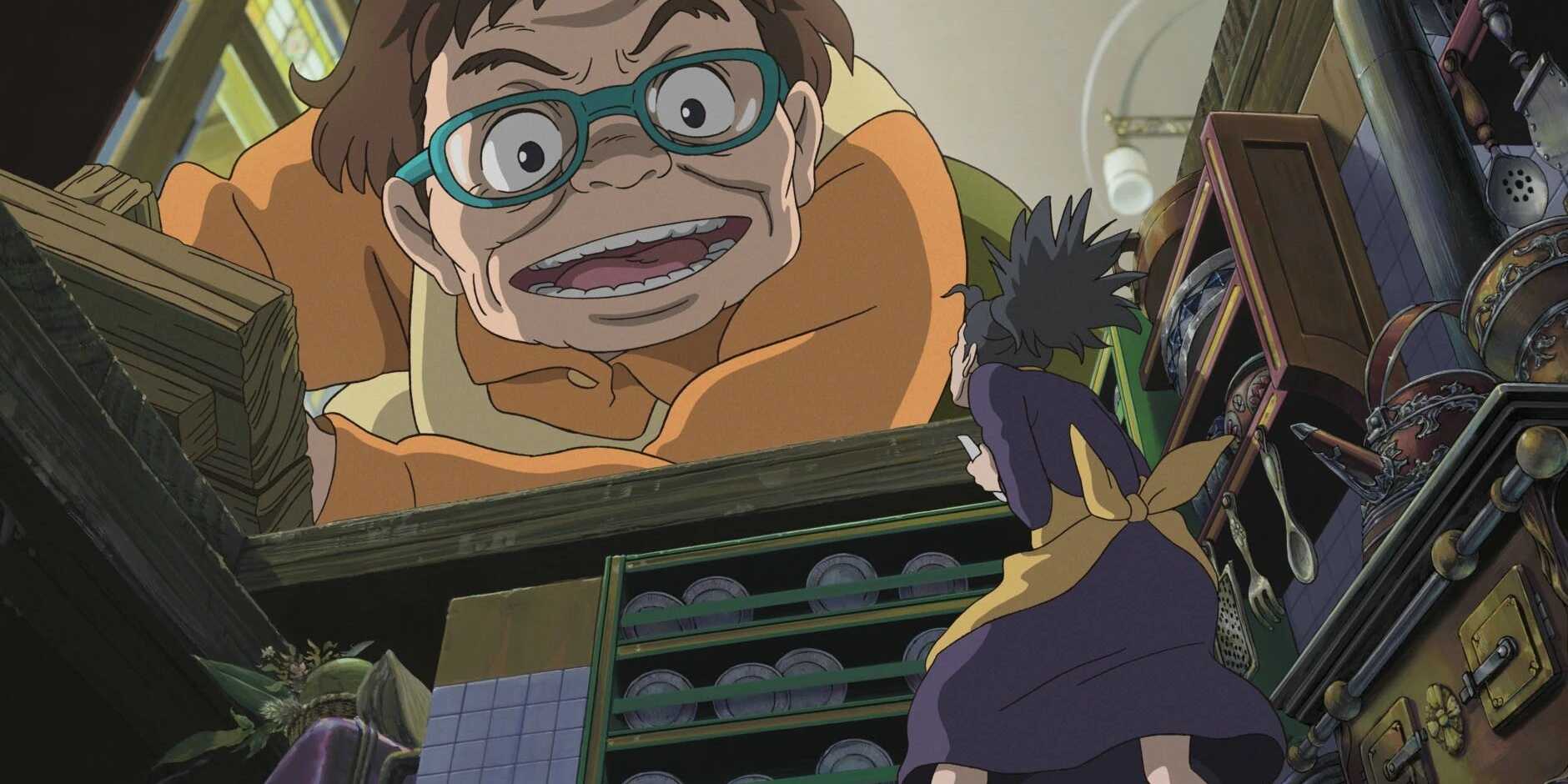
Haru discovering the borrowers in The Secret World of Arrietty. Image via Studio Ghibli


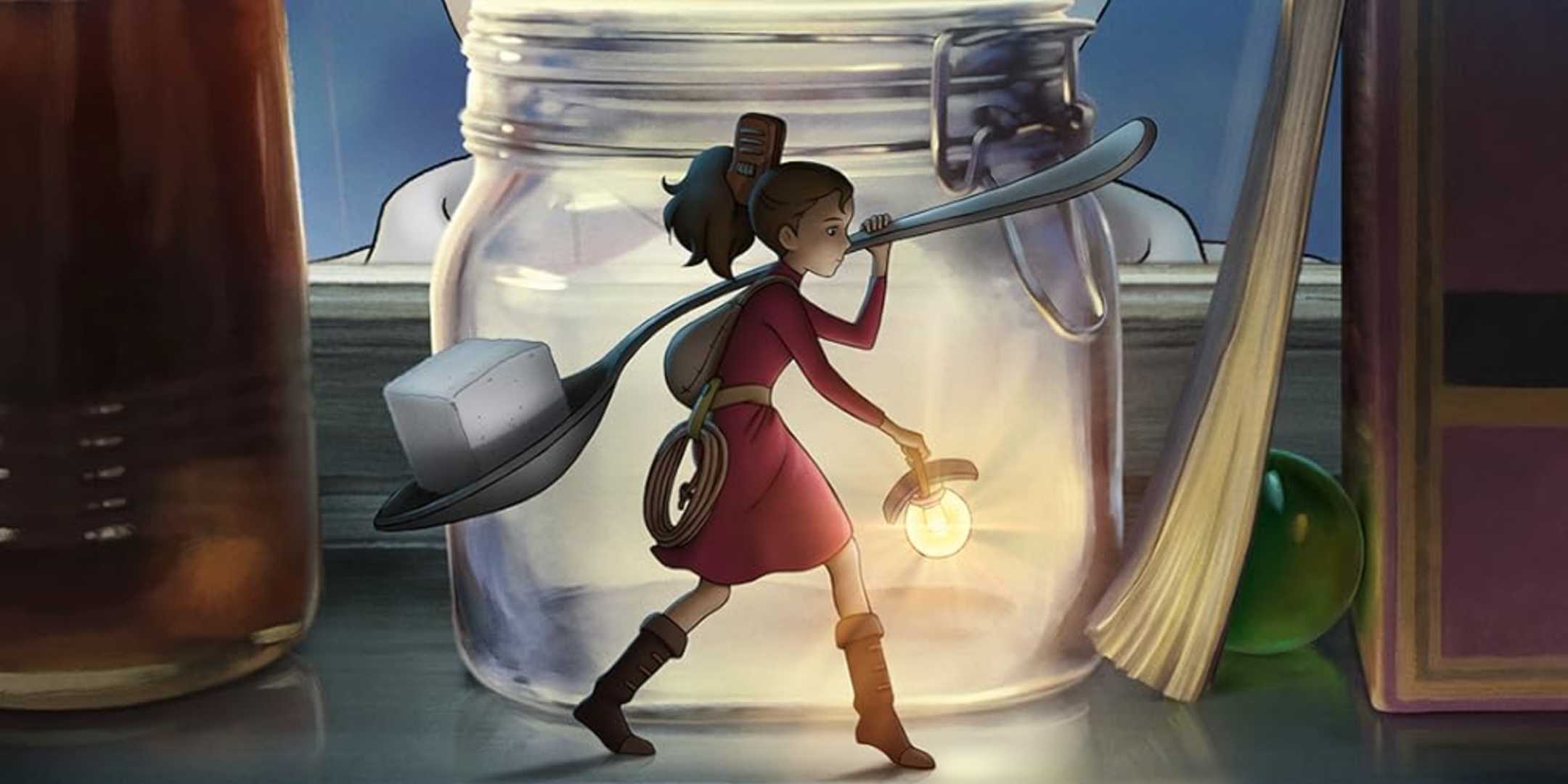
The Secret World of Arrietty follows Arrietty and her tiny family as they survive by borrowing small objects from the house beneath which they live. Their survival depends on remaining unnoticed, but Arrietty’s curiosity eventually brings her into contact with Sho, a boy staying at the house. Their friendship creates both tenderness and uncertainty.
Sho is fascinated by Arrietty’s existence, but his good intentions cannot eliminate the risks his attention brings to her family. The film’s scale gives ordinary objects a new beauty. The film may be gentler than Ghibli’s grandest adventures, but its imagination proves that a story does not need an enormous world to feel full of wonder.

Related
10 Greatest Howl’s Moving Castle Quotes, Ranked
Howl’s Moving Castle has no shortage of funny exchanges, romantic confessions, and lines that fans still love years after the film’s release.
Porco Rosso Balances Airborne Spectacle With Unexpected Melancholy
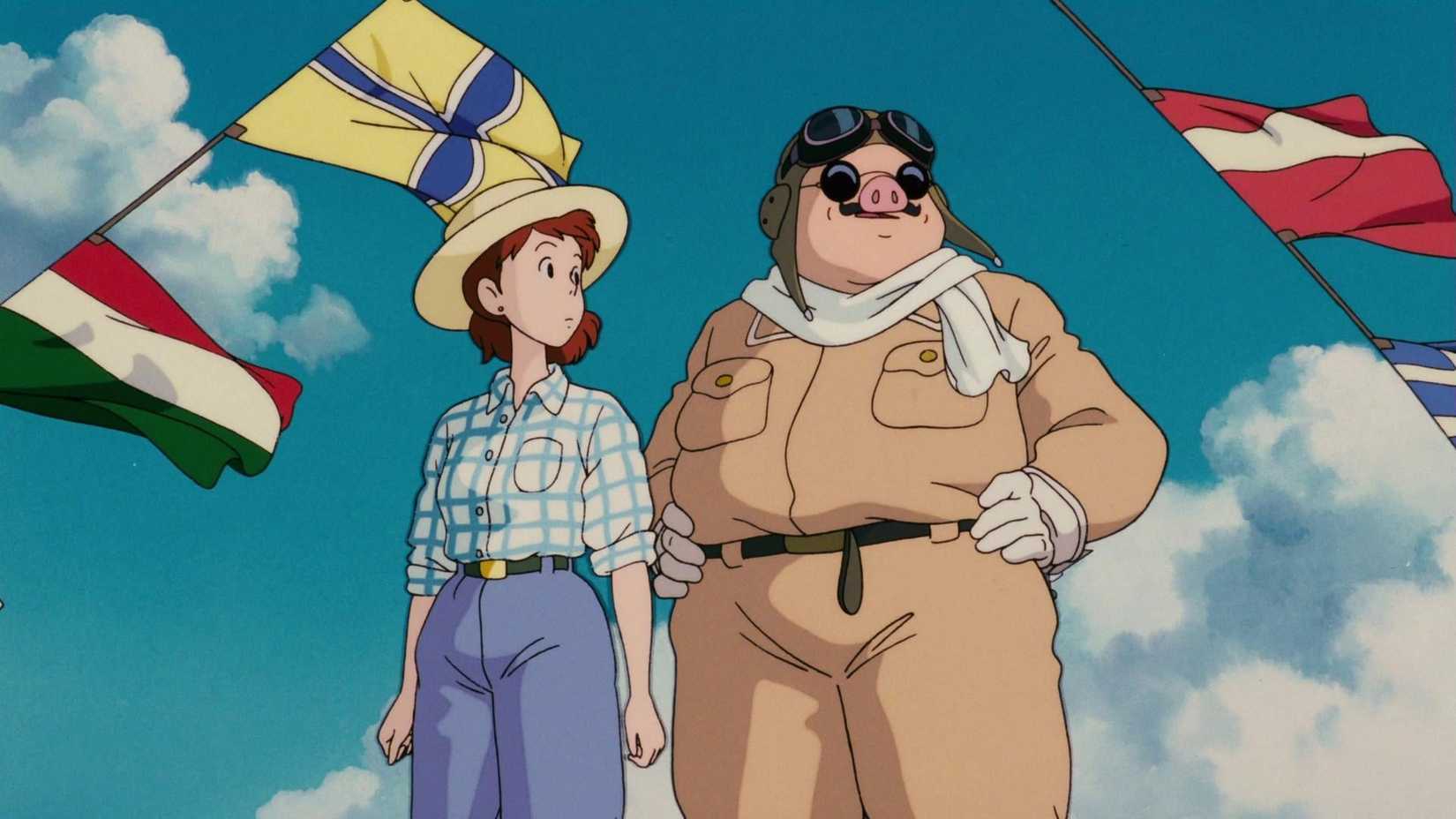
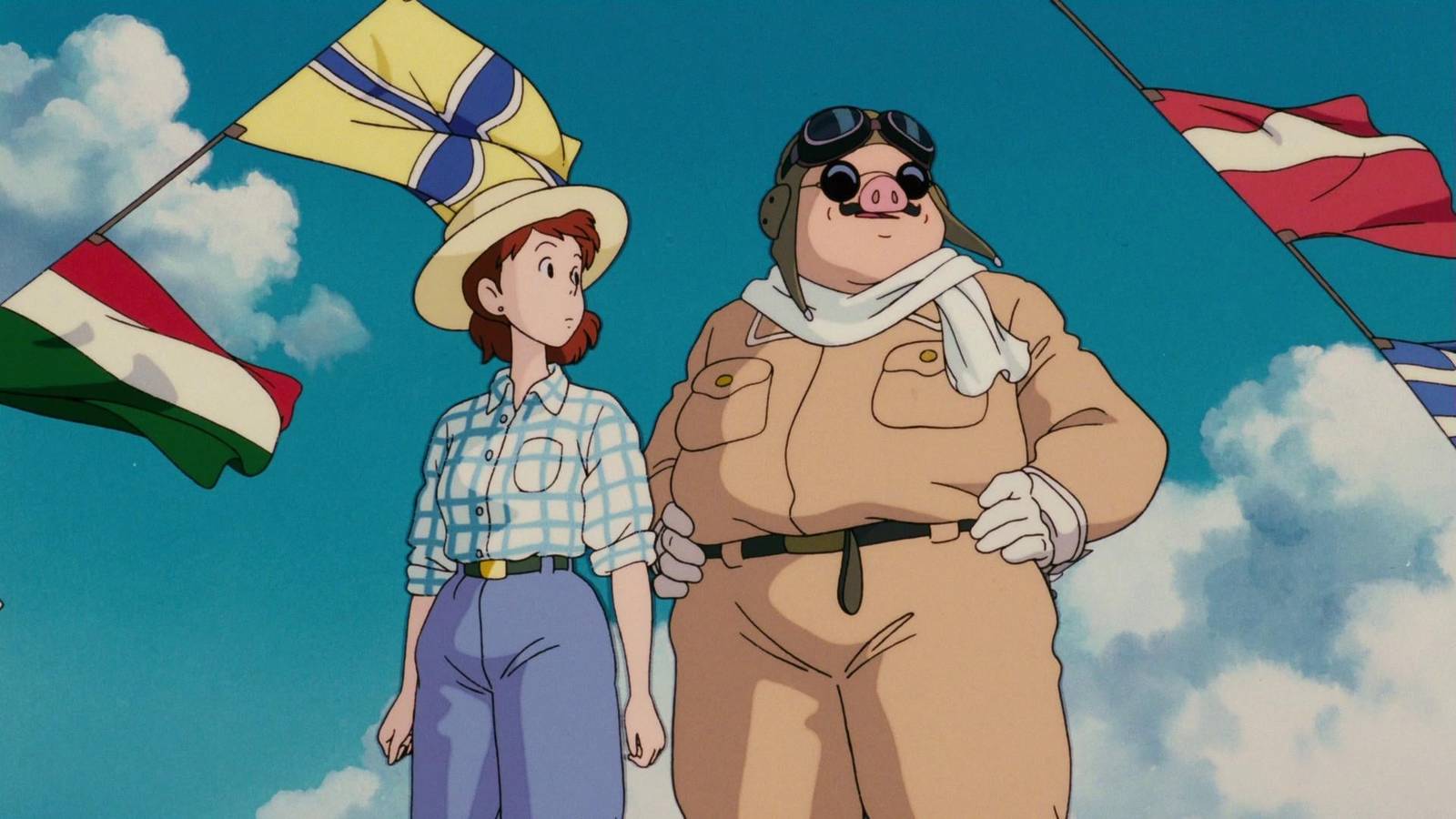
At first glance, Porco Rosso seems built around an irresistible comic image: a pilot with the face of a pig pursuing airborne pirates across the Adriatic Sea. Its dogfights, eccentric rivals and beautiful aircraft make the film a pleasure long before its protagonist’s history comes into focus. Porco’s carefree image conceals a much sadder history.
As a veteran haunted by the losses of war, he has learned to protect himself through cynicism and emotional distance. Fio Piccolo challenges his isolation, and Gina’s relationship with Porco adds a quieter emotional layer. The film’s mix of exciting flight sequences, grown-up melancholy and playful humor makes it one of Miyazaki’s most distinctive achievements.
When Marnie Was There Is One of Ghibli’s Most Underrated Tearjerkers
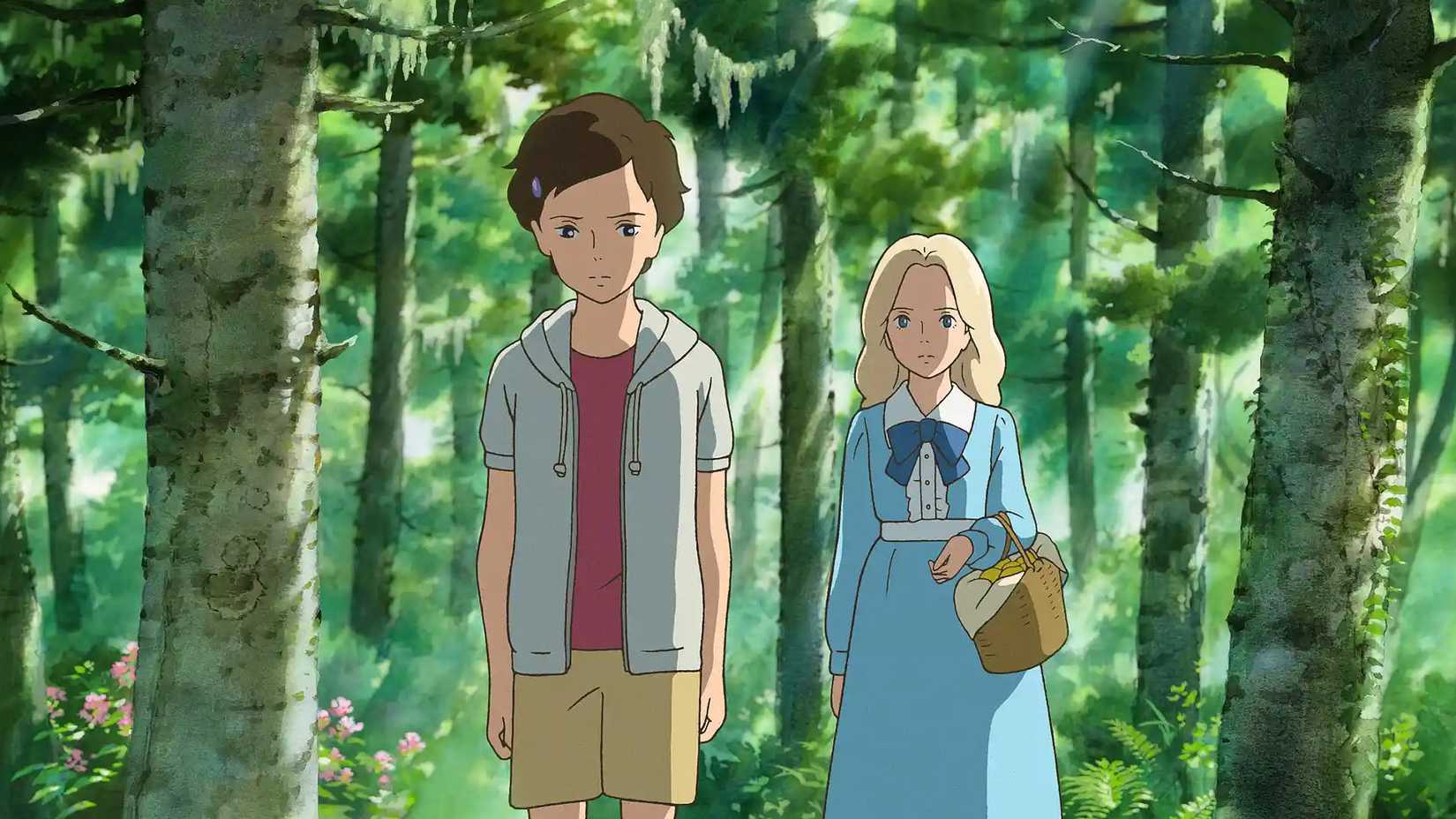
When Marnie Was There follows Anna, a young girl who arrives in the countryside feeling disconnected from everyone around her. She struggles to express affection, and often assumes that other people cannot understand what she is experiencing. Her discovery of the Marsh House introduces a different possibility and an unexpected companion.
The mysterious Marnie seems to offer the kind of attention and closeness Anna has difficulty finding elsewhere. The film’s atmosphere makes that relationship especially absorbing. The old house appears both inviting and unsettling. The film’s restrained supernatural drama can be overlooked beside Ghibli’s more overtly fantastical adventures, but Anna’s journey makes it well worth seeking out.
Pom Poko’s Wild Comedy Conceals a Heartbreaking Struggle
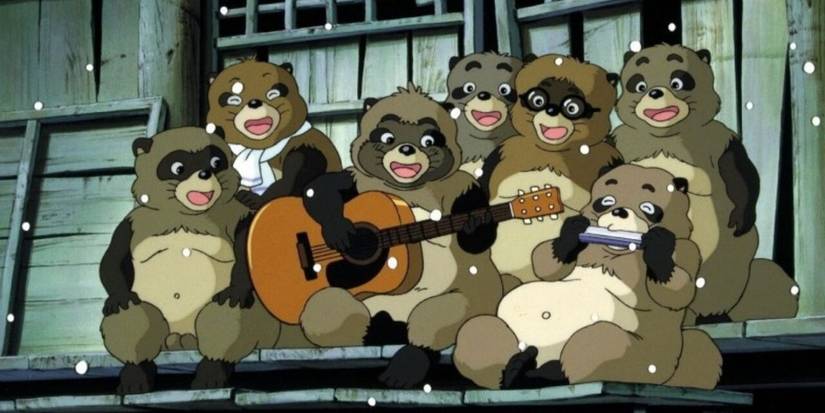
The tanuki of Pom Poko have an unusual collection of abilities. They can transform their bodies, imitate human beings, and draw on folklore to stage elaborate supernatural spectacles. Unfortunately, none of those skills guarantees that they can protect their forest from encroachment. As human construction spreads across their home, the tanuki debate how to respond.
Some favor frightening the humans away, others embrace more dangerous tactics, and still others wonder whether resistance can succeed at all. Isao Takahata’s film moves freely between comedy, fantasy and sadness. Pom Poko is one of Ghibli’s most unusual environmental stories. Its refusal to offer an effortless solution gives the film lasting power.
Whisper of the Heart Is an Underrated Treasure for Creative Dreamers
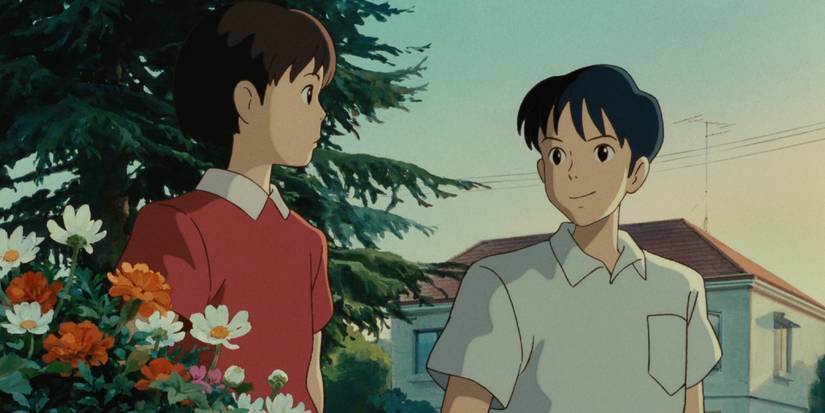
Shizuku Tsukishima loves stories, but is having trouble creating one. When she notices the same name appearing on library checkout cards before hers, curiosity eventually leads her toward Seiji Amasawa and a future she has not yet imagined for herself. Seiji’s commitment to becoming a violin maker inspires Shizuku, but it also unsettles her.
This conflict allows Whisper of the Heart to resonate well beyond adolescence. Shizuku wants evidence that she has talent, but the only way to discover what she can do is to begin working before she feels ready. The film treats that effort seriously. It surrounds Shizuku’s struggle with a family whose concerns exist alongside her dream.
Only Yesterday Is Ghibli’s Most Underrated Portrait of Growing Up
Close
- Image via Studio Ghibli
-
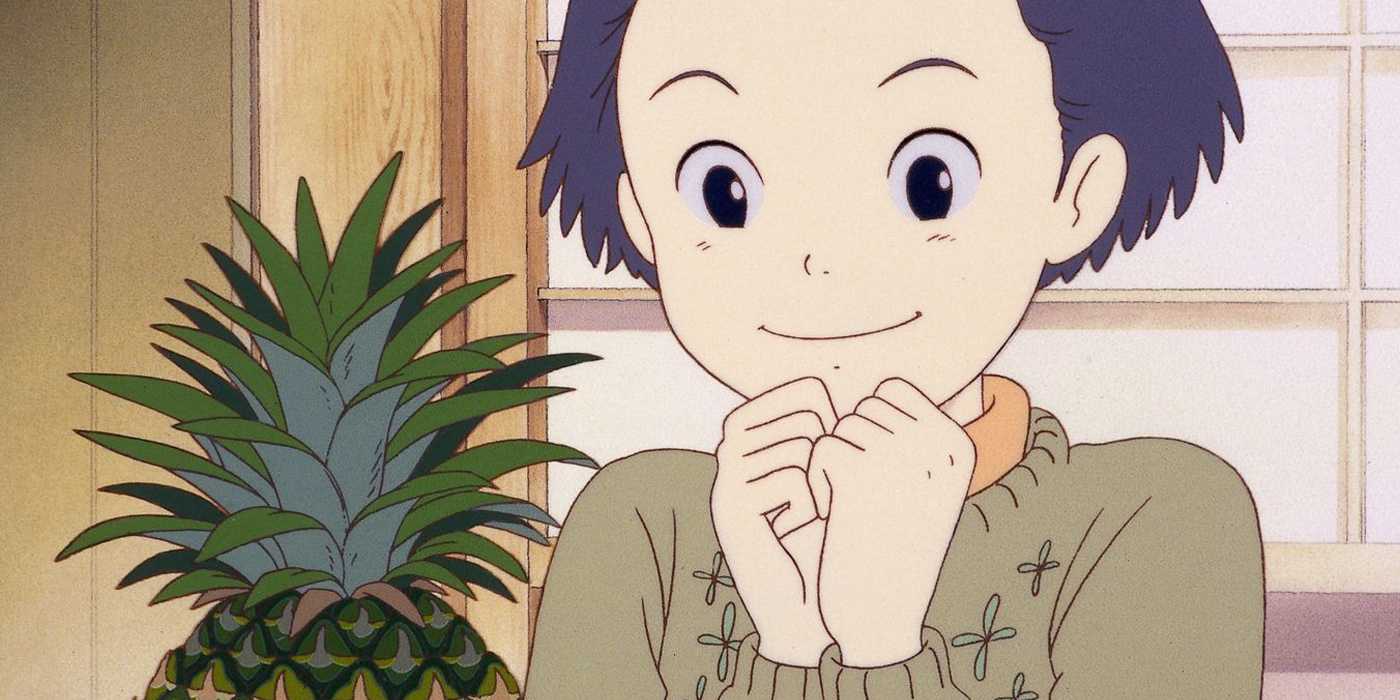
Taeko smiles at a pineapple in Only Yesterday. Image via Studio Ghibli -
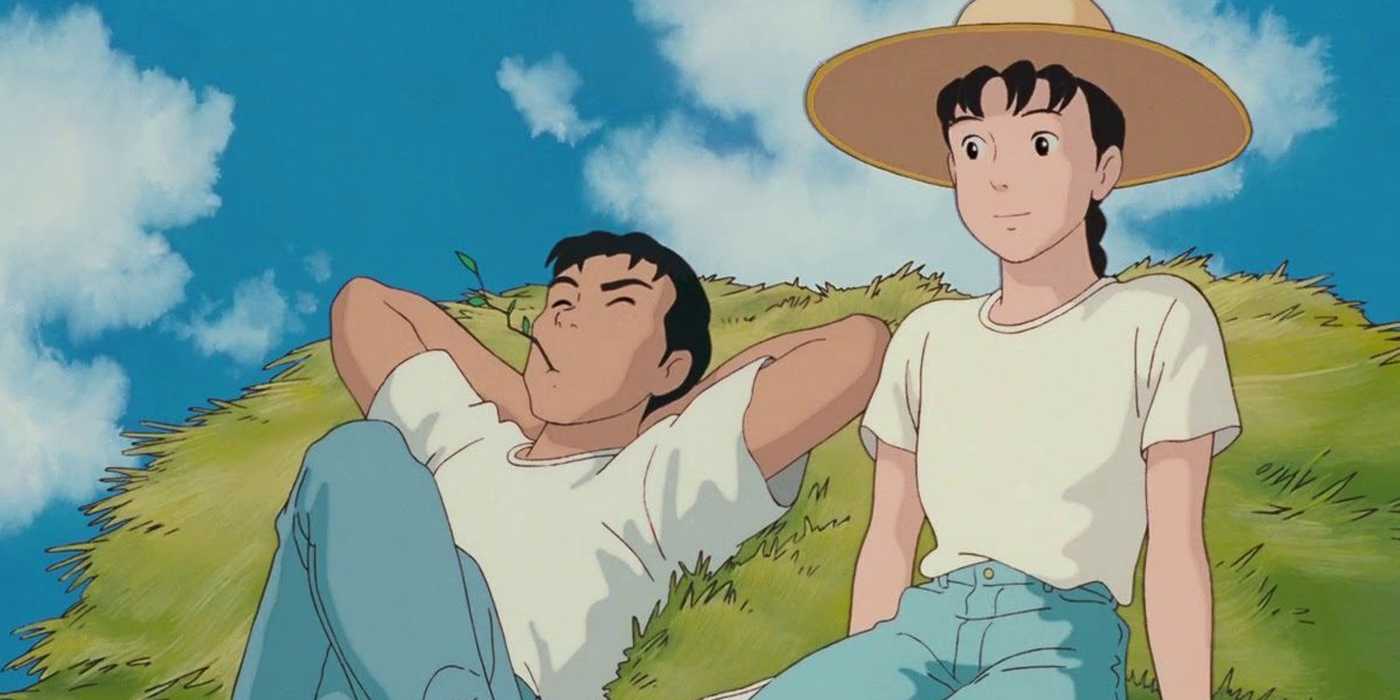
Toshio and Taeko sit on a pile of hay in Only Yesterday. Image via Studio Ghibli
At 27, Taeko Okajima travels from Tokyo to the countryside for a holiday and finds herself thinking about her childhood. Those recollections do not form a tidy explanation for who she has become, but they reveal how the past remains present in people’s memories. The contrast between Taeko’s two stages of life gives Only Yesterday its unusual emotional depth.
The film’s quieter subject matter can leave it outside conversations dominated by Ghibli’s magical adventures. That is a shame, because its emotional scope is just as ambitious. By trusting ordinary memories to carry an extraordinary amount of meaning, Only Yesterday becomes one of the studio’s most perceptive films about growing up.



