

Original Coverage & Source Attribution: www.cbr.com
The Western genre has created some of Hollywood’s greatest movie masterpieces, but some old-school classics feel unwatchable today. Some of these projects were headlined by the greatest stars of their day, including John Wayne, Errol Flynn, and Clint Eastwood. However, if history proves anything, it’s that even the biggest box office draws aren’t invulnerable to poorly aged career choices.
As much as the Western continues to serve up some modern gems, nobody can deny that it’s always been an acquired taste. Between movies that tried to blend sub-genres and stars that didn’t mesh and a complete disregard for accuracy, some films just aren’t as fun as they once were. They might be worth watching to understand an older era of cinema, but they can be boring, uninspired, or questionable today.
They Died with Their Boots On Lies About Custer’s Last Stand
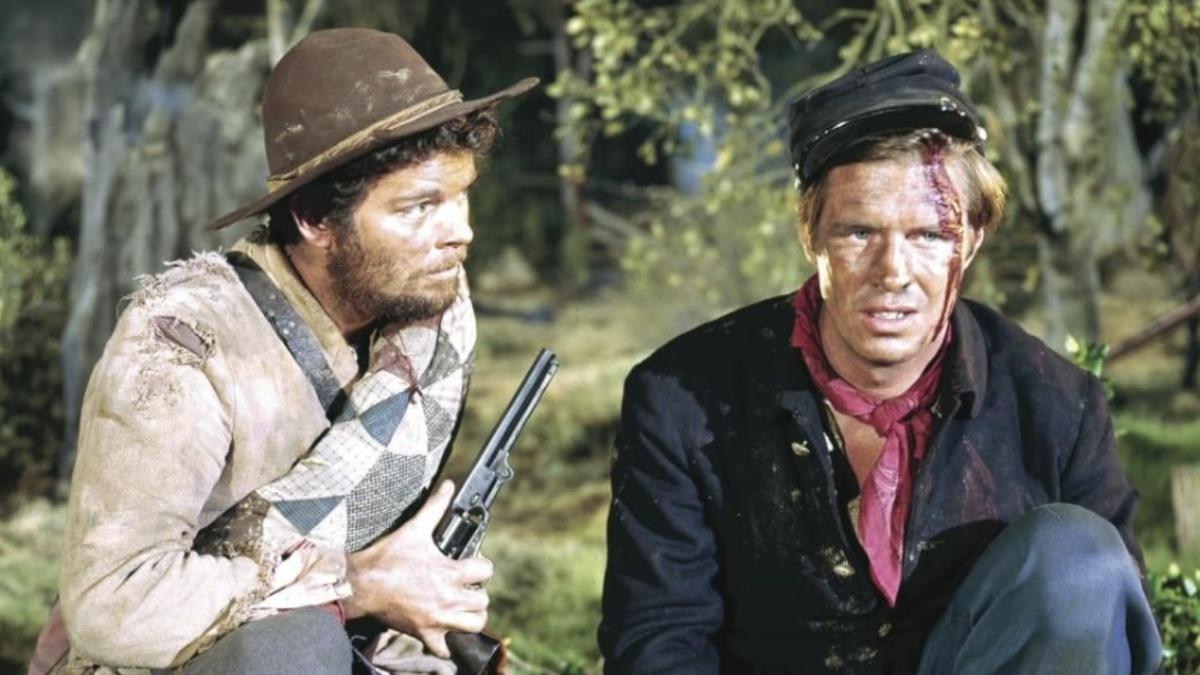
Back in 1941, Raoul Walsh brought to life one of the West’s most complicated figures, George Custer, when he made They Died with Their Boots On. It follows the life and final days of the military commander leading up to his fight with Sitting Bull’s warriors in the Battle of the Little Bighorn. People looking for a military epic should hold their breath, however, as more time is spent on his romance with Elizabeth and the background of his career.
The story of Custer should be one of hubris, the perspective of Native Americans, and a reminder that heroism is often a matter of which side you’re on. Instead, They Died with Their Boots On is more interested in romanticizing the character as a near-unassailable icon defeated by circumstance. Everything interesting about the Battle of Little Bighorn is obscured by revisionism, and its antiquated filmmaking certainly doesn’t help it.
Soldier Blue Is Fantastic But Unapologetically Brutal
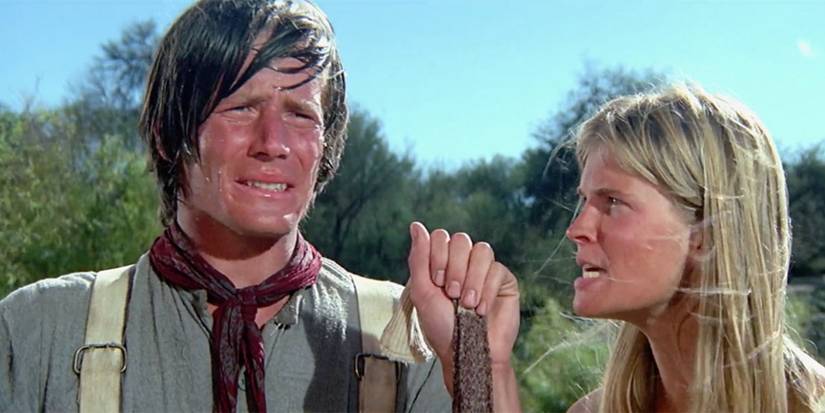

In 1970, Ralph Nelson directed one of the most divisive Westerns to date, Soldier Blue. It begins when a wagon train is massacred by the Cheyenne, leaving just two survivors: cavalry soldier Honus Gant and Cresta Lee, a woman who sympathizes with the natives. As they begin their journey to the nearest fort, they must endure the dangers that lie ahead, complicated by their stark differences.
Soldier Blue is a great movie, but its brutality made it an acquired taste from the very beginning. The film that made The Wild Bunch feel tame by comparison, it doesn’t hold back in its depiction of the American West as a place of constant violence and fear. More to the point, it’s one of the more critical stories told in its genre, driving a wedge between audiences as they question whether settlement was good or bad. Those who can enjoy seeing the West as it truly was will enjoy this movie, while those who favor a lighter touch will shy away from it.
The Alamo Has No Interest In Historical Accuracy
Image via The Alamo Company
The story of the siege of the Alamo has been mythologized more than most Western-era battles, as shown in the famous John Wayne movie. The Duke plays Davy Crockett, the man tasked with leading the defense of the building against Mexican forces. As the enemy closes in, he and his fellow volunteers dig in and draw their line in the sand as they wait for reinforcements.
The Alamo is a movie that barely attempts to get the facts right, instead lazily cashing in on the usual John Wayne upstanding frontiersman formula. In many ways, it tried to tell an American story that mirrored the story of 300 Spartans at the Battle of Thermopylae, and sacrificed historicity to get there. While fans of this era of Westerns adore it, nobody should switch it on expecting anything close to reality.
The Beguiled Makes Some Questionable Choices
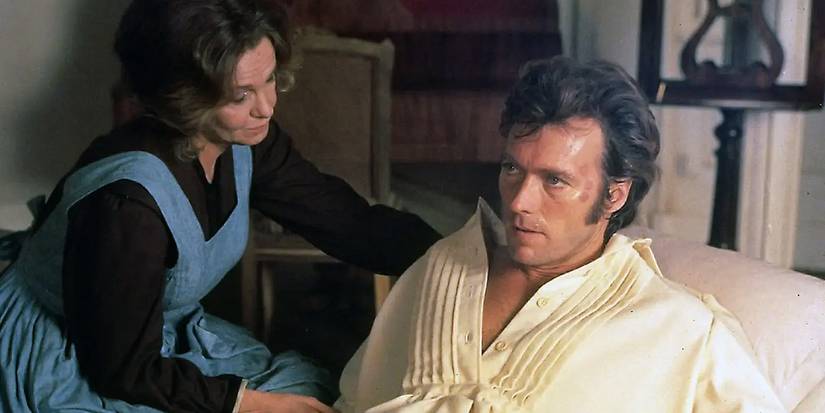
Clint Eastwood made the most questionable Western of his career when Don Siegel adapted Thomas P. Cullinan’s The Beguiled. He plays John McBurney, a wounded Union soldier who’s taken in by a Southern all-girls school amidst the Civil War. In the isolated house, the presence of a man brings out the worst in the women, igniting an atmosphere of jealousy, sexual angst, and violence.
As a work of suspense, The Beguiled has a lot going for it, even affording more agency to women than the typical Western drama of its day. However, between its opening inclusion of the main character forcing a kiss upon a 12-year-old girl and some excessive “nyphomania” tropes, it’ll anger many modern viewers. It also began an ill-conceived trend of Eastwood playing characters who pursued underage or barely-legal women, something sure to alienate many. Ultimately, one’s assessment of the film depends entirely on the lens through which they see it.
How the West Was Won Meanders Far Too Long
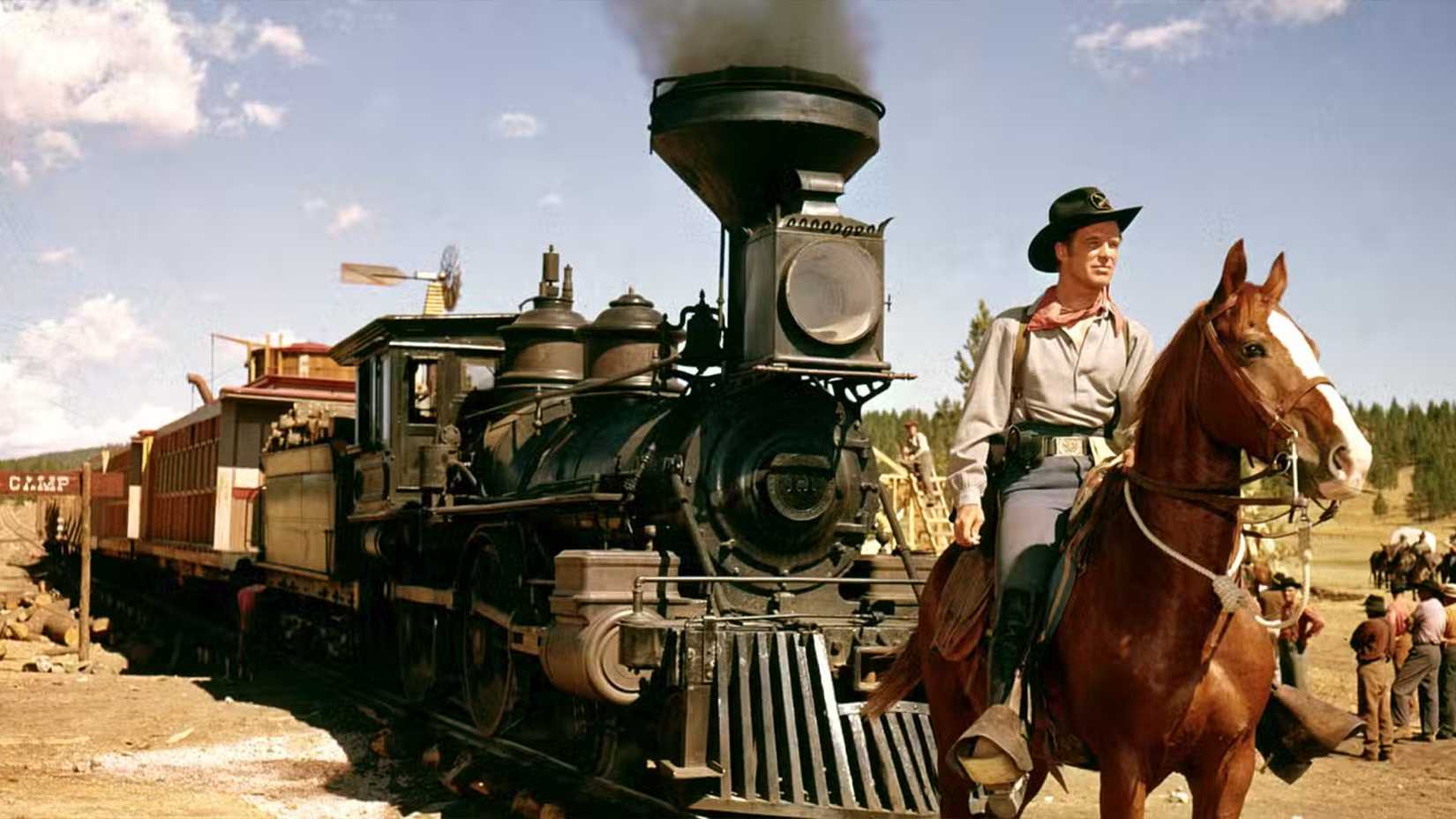

The golden age of Hollywood was nothing if not ambitious, and How the West Was Won takes the cake as an epic production. Directed by John Ford, Henry Hathaway, George Marshall, and Richard Thorpe, it follows the sprawling lives of settler families as they embark on the journey West. Traversing the perilous landscape and weathering storms like the Civil War, they establish their legacy on the frontier.
By the end, How the West Was Won throws too many characters and moving parts at the audience to really maintain interest throughout. It’s less a nuanced assessment of settlement than it is a one-sided, rose-tinted depiction of history, ignoring any perspective beyond the American pilgrim. It deserves undying respect for its ambition and detail, but that doesn’t salvage a disappointing, meandering story or make its 164-minute runtime go any faster.
Surprisingly, Kevin Costner’s Horizon: An American Saga actually did what Ford, Hathaway, Marshall and Thorpe attempted even better. In exploring different sub-genres, the Yellowstone star ensured there was never a dull moment, eclipsing what this classic should have been.
Apache’s Use of Redface Will Alienate Many
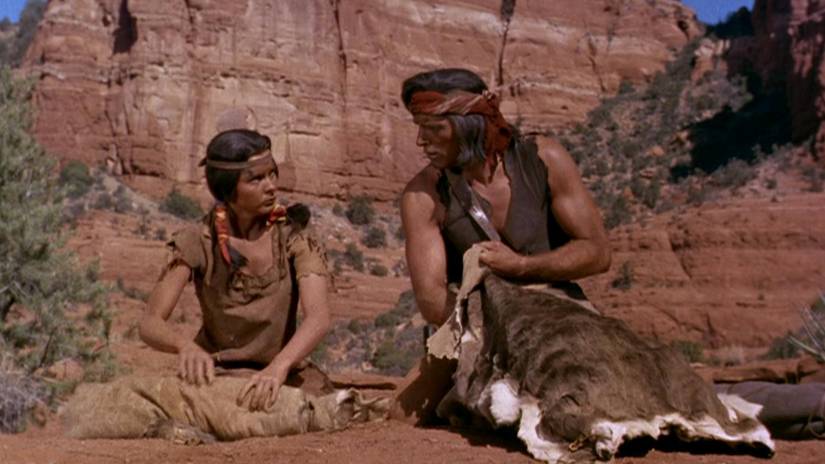

The American-Indian Wars were a tragic but vital turning point for Western expansion, a story that Robert Aldrich’s Apache sets out to tell. It focuses on Massai, the last free warrior of his tribe, as he escapes from cavalry authorities to return to his homeland. Despite reuniting with his beloved Nalinle, the pursuing soldiers and changing landscape fill the fighter with the somber revelation that his people’s time is coming to an end.
Apache attempts to tell a good story, and has plenty of great emotional character moments included. However, many modern critics have been quick to point out how its use of “redface” was just another time classic cinema robbed Native American actors of telling their stories. Burt Lancaster is great in the role, but it’s certain to leave modern audiences starkly divided over taste.
Coogan’s Bluff Is A Snooze-Fest of A Neo-Western
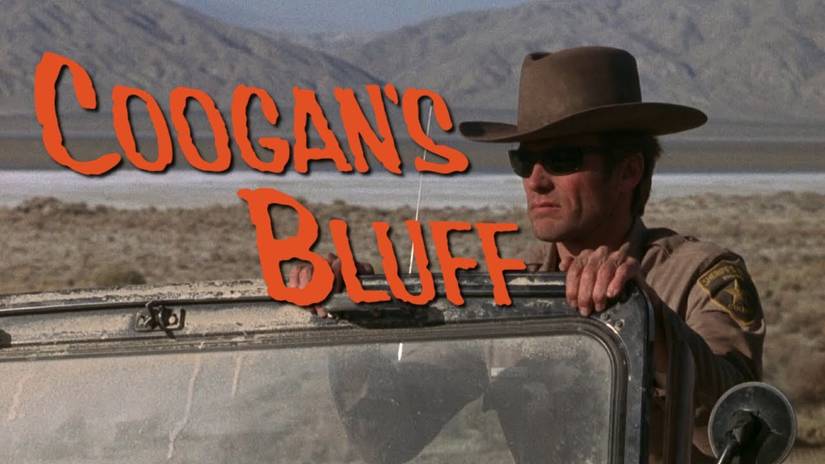
In 1968, Clint Eastwood was preparing to transition from the Wild West to modern thrillers, as epitomized by Coogan’s Bluff. Three years prior to Dirty Harry, he plays Walt Coogan, an Arizona cop who heads to New York to extradite a murderer, only for him to break free. Working alongside the NYPD, he sets out to find the fugitive and his friends, bringing them down one at a time in a cowboy-style fish-out-of-water story.
Coogan’s Bluff has always felt like a movie that wasn’t entirely sure what it wanted to be, feeling too slow to be a standard thriller and too urban to really fit its Western vibe. If anything, it comes across as if the creators tried too hard to cash in on the star’s Wild West look, making creative choices that feel out of place. The movie drags on too long and is ultimately weakened by an underwhelming ending, leaving it one of the star’s more boring pictures.
Cimarron Wouldn’t Be Best Picture Material Today
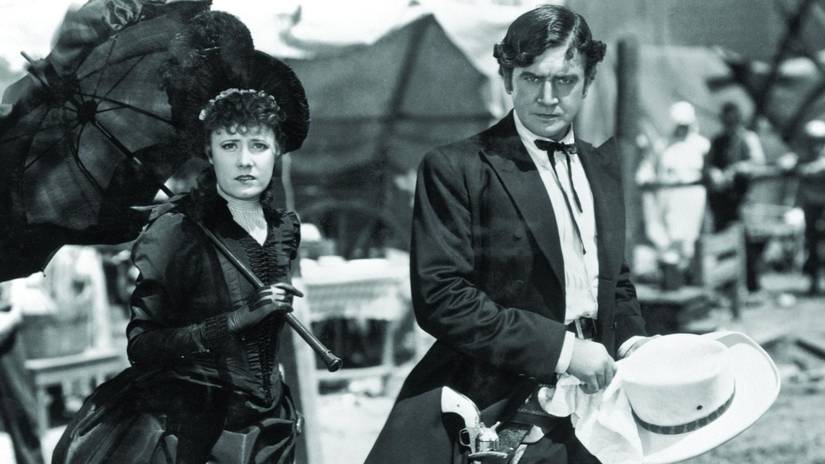
In 1931, Hollywood found its first Oscar-winning Western in Wesley Ruggles’ Cimarron. It follows the arrival of the newlywed couple Yancey and Sabra Cravat in Osage, where they each begin making a name for themselves as local legends. However, their differences end up being enough to divide them and their family, setting them on different paths, despite their feelings for one another.
Cimarron goes back to a time when the West was a place to tell a variety of stories, from politics and legal drama to complicated romances. It’s much less the type of story the modern gunslinger fan will be interested in than it is a relic of the ’30s, offering very little to be appreciated today. Despite a few good character moments, viewers of the 2020s will see this as a dreary boor that struggles to justify its 120-minute runtime, much less its Oscar win.
Paint Your Wagon Proved Clint Eastwood Wasn’t Right For A Musical
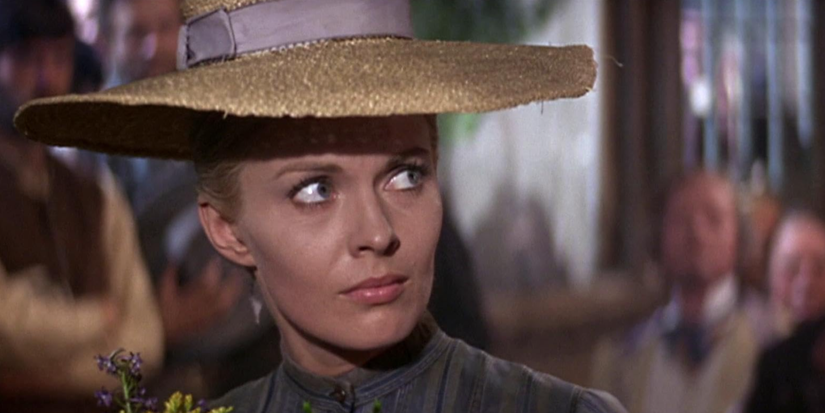
Image via The Malpaso Company
After his “Dollars Trilogy” success, Clint Eastwood worked with Lee Marvin on the Western musical Paint Your Wagon, a surprise move for both actors. A callback to the heyday of the “Singing Cowboy” trend, it follows Ben and Pardner, a couple of prospectors who journey to Oregon to seek their fortune. Despite working together to build a boomtown, their rival affections for their companion Elizabeth threaten their friendship.
Paint Your Wagon was a movie that audiences didn’t quite know what to make of upon release, but certainly earned a strong following. Over the years, it’s naturally fallen out of favor even more than before as people look back on it as a bizarre mismatch of stars, tone and story. After watching Eastwood play dark gunslingers for three decades straight, revisiting this classic is simply odd.
John Wayne’s True Grit Feels Like An Inferior Version of the Coen Brothers’ Adaptation
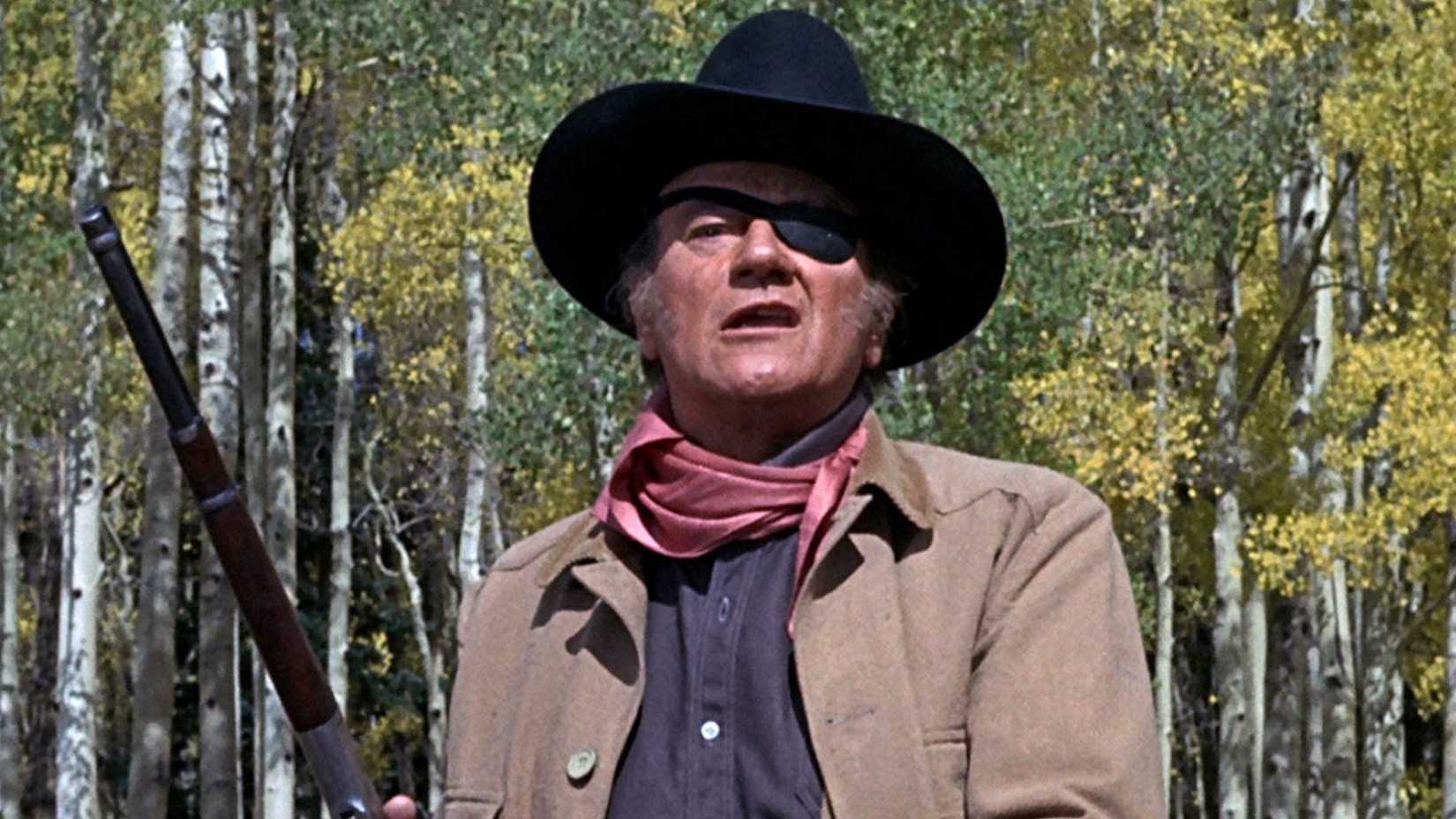
Image via Paramount Pictures
Charles Portis reinvented the Western as a genre defined by revenge and adventure when he wrote True Grit. In 1969, John Wayne stepped in to headline the first adaptation, playing aged lawman Rooster Cogburn as he assists the young Mattie Ross in her vengeance. Aided by a Texas Ranger, they head out into Indian territory to find the man who murdered the girl’s father, only to respect one another along the way.
It’s not so much that the first one was bad, but rather that it struggles to justify viewing when compared with the Coen brothers’ 2010 version. Once someone has seen the remake, almost every frame in the original comes across as a dated, inferior depiction of Portis’ story. Between John Wayne’s wooden acting and the underwhelming action sequences, the 1969 True Grit was rendered borderline unwatchable by a better movie.



