
Original Coverage & Source Attribution: www.insurancebusinessmag.com
News breaking of multiple hits in waters London underwriters listed as high risk only last month
A cargo ship has sunk and a second vessel has caught fire after drone strikes in Bulgaria’s exclusive economic zone (EEZ), in waters the London insurance market added to its Black Sea high-risk area less than three weeks ago.
The attacks took place at about 3am local time on Tuesday (6 October), approximately 128 kilometres off the Bulgarian coast near Byala, Prime Minister Rumen Radev said after an emergency government meeting. Both aerial and sea drones were involved, and their origin has not been established.
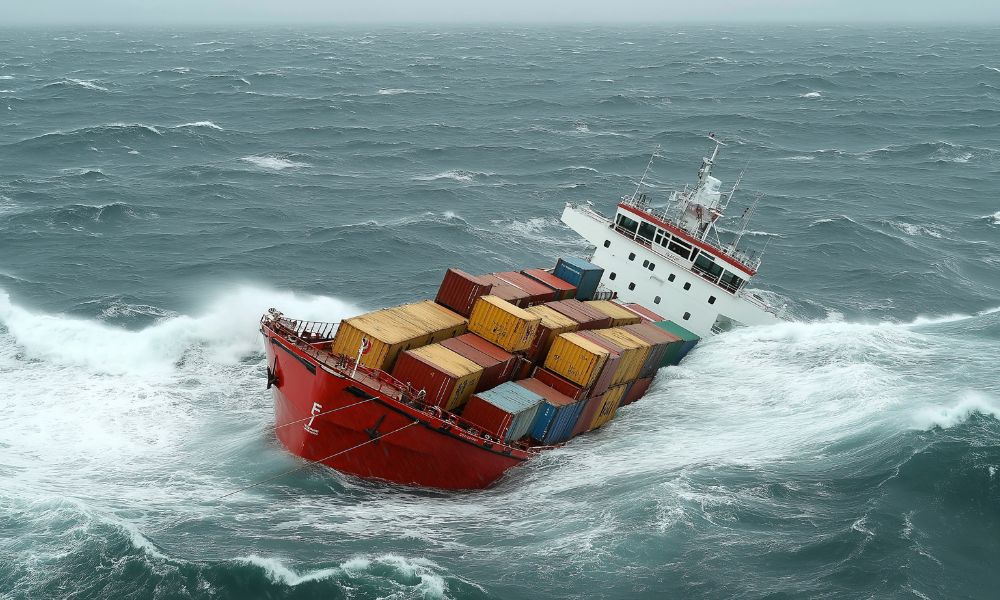
The Togo-flagged general cargo ship Alfa Watan sustained critical structural damage and sank. A search is under way for its crew, after a passing ferry found overturned life rafts and life jackets at the scene. The Palau-flagged Able, which was carrying wheat, caught fire. A Bulgarian ferry evacuated its 18 crew – 11 Turkish and seven Indian nationals – two of whom were seriously injured and flown to hospital in Varna.
The strikes were the first on shipping within Bulgaria’s EEZ. Radev said the disruption was driving insurance costs higher and making navigation in the Black Sea extremely difficult.
Strikes land inside newly listed waters
On 16 September, the Joint War Committee (JWC), which is made up of Lloyd’s Market Association syndicate members and London company market representatives, extended its Black Sea Listed Area to cover the whole sea. The coastal waters of Russia and Ukraine were already listed. The territorial waters of Bulgaria, Georgia, Romania and Türkiye remain excluded, but these extend only 12 nautical miles from shore. Tuesday’s strikes, around 70 nautical miles out, fell inside the newly listed area.
A listing does not prohibit voyages, but insurers may require separate war risk cover and an additional premium for transits through the area, priced individually by vessel, route and current risk.
Analysis from maritime security firm Ambrey found that 45 merchant vessels were struck outside the previously listed area in the 12 months to 21 September, compared with none in the preceding 12 months. Thirty-three of those strikes came in the last three months. Ambrey has recorded more than 210 strikes on commercial vessels in the Black Sea between July and the end of September. It expects the conditions behind the JWC expansion to persist for the rest of 2026.
Turkish-owned vessels in the firing line
Both ships hit on Tuesday are Turkish-owned, according to the Equasis shipping database. The Alfa Watan, owned by Mersin-based Baraka Shipping, was built in 1976 and was bound for the Romanian port of Sulina, according to vessel-tracking data. The 1991-built Able is part of Istanbul-based Ocean Eagle’s fleet, according to Türkiye Today. The vessels’ hull war and protection and indemnity (P&I) insurers have not been publicly identified.
The attacks came a day after another Turkish-owned vessel, the Royad Mammadov, caught fire and sank in Romania’s EEZ while carrying Ukrainian corn. Romanian authorities said two people died and 11 crew were rescued. Ukrainian President Volodymyr Zelenskyy attributed the sinking to two Russian drones and said the ship’s captain was among the dead. Romania’s Naval Authority has said the fire followed a suspected drone strike, but has not made a final determination on the cause or named a suspect.
European Commission President Ursula von der Leyen condemned the attacks on civilian shipping.
With three vessels sunk or damaged in less than 24 hours, all outside Russian and Ukrainian waters, hull war and cargo war underwriters, as well as P&I clubs, are likely to face pressure to reprice western Black Sea exposure. The territorial-water carve-outs that still exempt coastal voyages from notification may come under closer scrutiny.