
Original Coverage & Source Attribution: www.telegraph.co.uk
However, the White House, whose relationship with the current Israeli government has been under strain, distanced itself from the ambassador’s statements. An administration official told Politico he was “totally out on his own on this”.
Marco Rubio, the secretary of state, said last month the US did not plan to issue its own sanctions, but did not condemn the actions by the UK and others.
In an indication that the administration is changing its position, Ms Dhillon, who works in the civil rights division at the US justice department, said: “I do consider BDS, and I think most people in my government consider it to be a form of anti-Semitism, and we call it as such.”
Israeli settler violence against Palestinians has been rising steeply in the West Bank, while hardline ministers in Benjamin Netanyahu’s government openly support the expansion of illegal settlements in the occupied territory.
The UK sanctions, announced alongside Canada and France, include a trade embargo on goods from Israeli settlements and acts against companies and individuals facilitating settlement expansion.
Unveiling the policy last month, Ed Miliband, the Foreign Secretary, accused Israel of turning a blind eye to the “ethnic cleansing” of Palestinians by settlers.
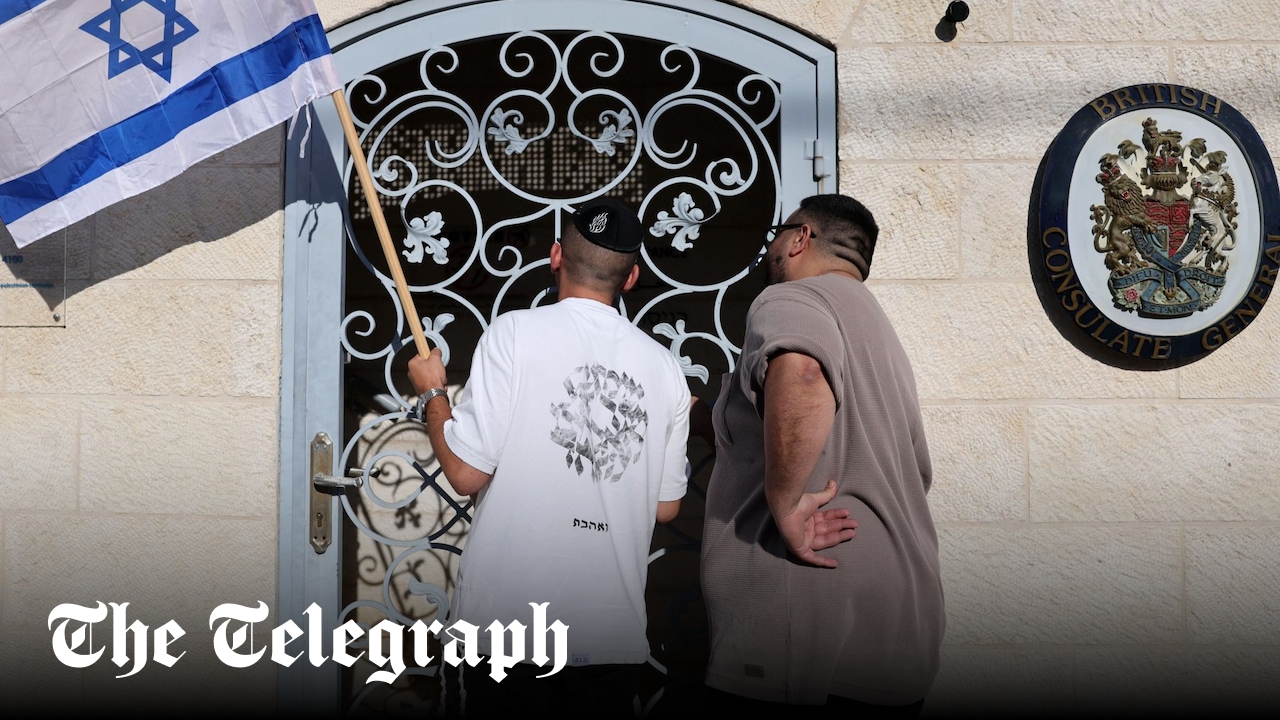
In response, Israel expelled dozens of British officials and ordered the closure of the UK consulate in East Jerusalem. The UK on Tuesday was considering expelling dozens of Israeli diplomats if the consulate is closed, according to Reuters.
Diplomatic relations between Britain and Israel have deteriorated since Mr Miliband’s appointment in July. He has promised a “comprehensive reset” of British policy towards Israel.
When asked about the UK sanctions during a meeting with Andy Burnham last month, Donald Trump declined to answer, instead allowing the prime minister to defend the decision.