
Original Coverage & Source Attribution: www.space.com
On Oct. 6, 1992, the United States and Russia signed an agreement to share astronauts and cosmonauts on human spaceflight missions.
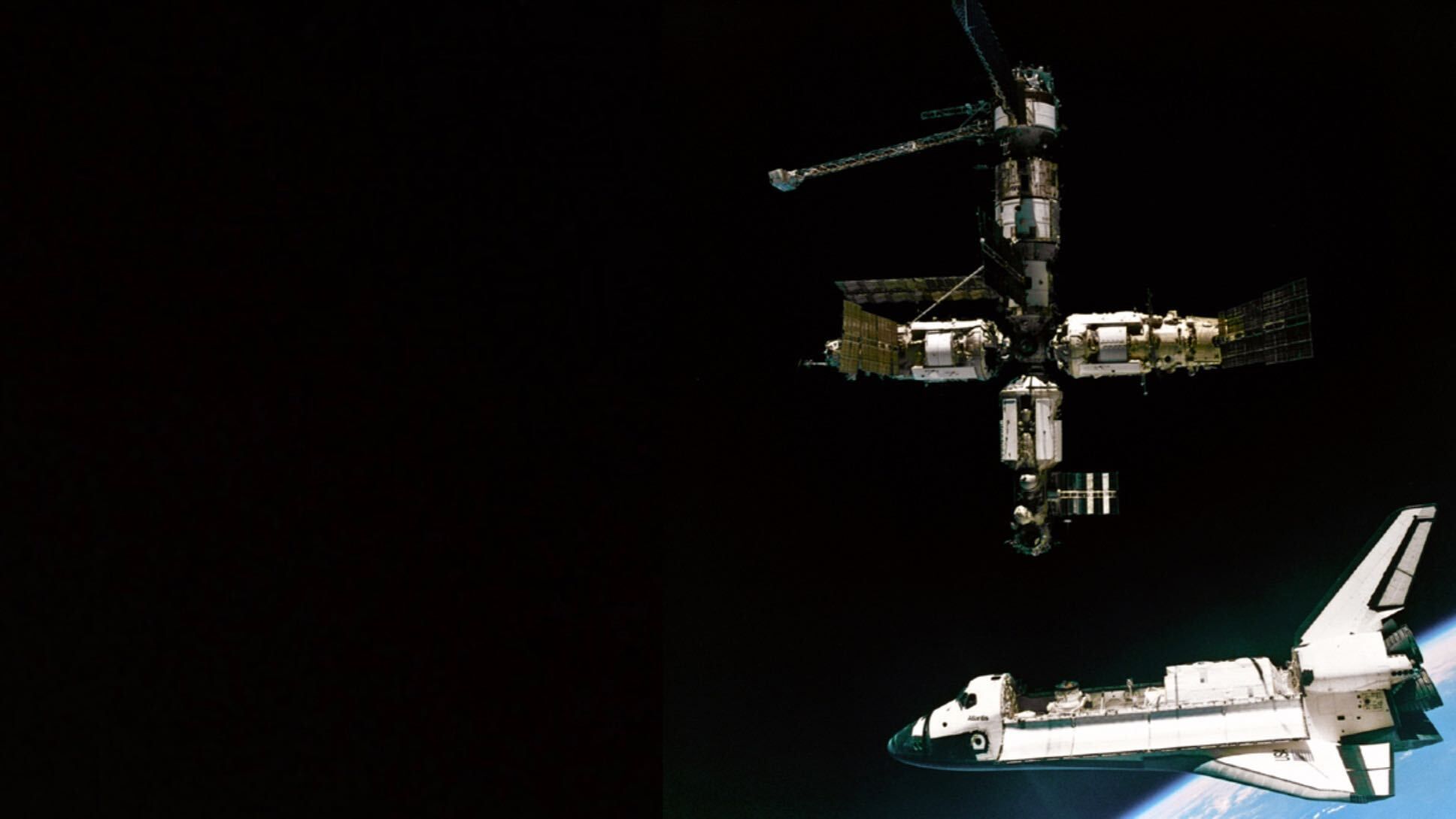
Known as the Agreement on Human Spaceflight Cooperation, this plan laid out the details for the joint Shuttle-Mir Program. Under this program, NASA’s space shuttles would fly to Russia’s Mir space station and carry Russian cosmonauts on board.
Meanwhile, American astronauts started flying in the Russian Soyuz spacecraft, which still carries international crews to the International Space Station to this day.
Why it mattered
The signing of the Agreement on Human Spaceflight Cooperation between the United States and Russia set the stage for what has become over 30 years of international cooperation in space between not just the two countries, but over a dozen others as well.
At the time, the agreement was aimed solely at the Shuttle-Mir program, which sent seven American astronauts to the Mir space station between 1994 and 1998. During those years, 10 NASA space shuttle missions visited Mir.
You may like
Mir would eventually host 125 cosmonauts and astronauts from 12 different countries throughout its 13 years in orbit. Mir was deorbited on March 23, 2001, when it fell from space to burn up in Earth’s atmosphere, with any surviving debris falling into the Pacific Ocean.
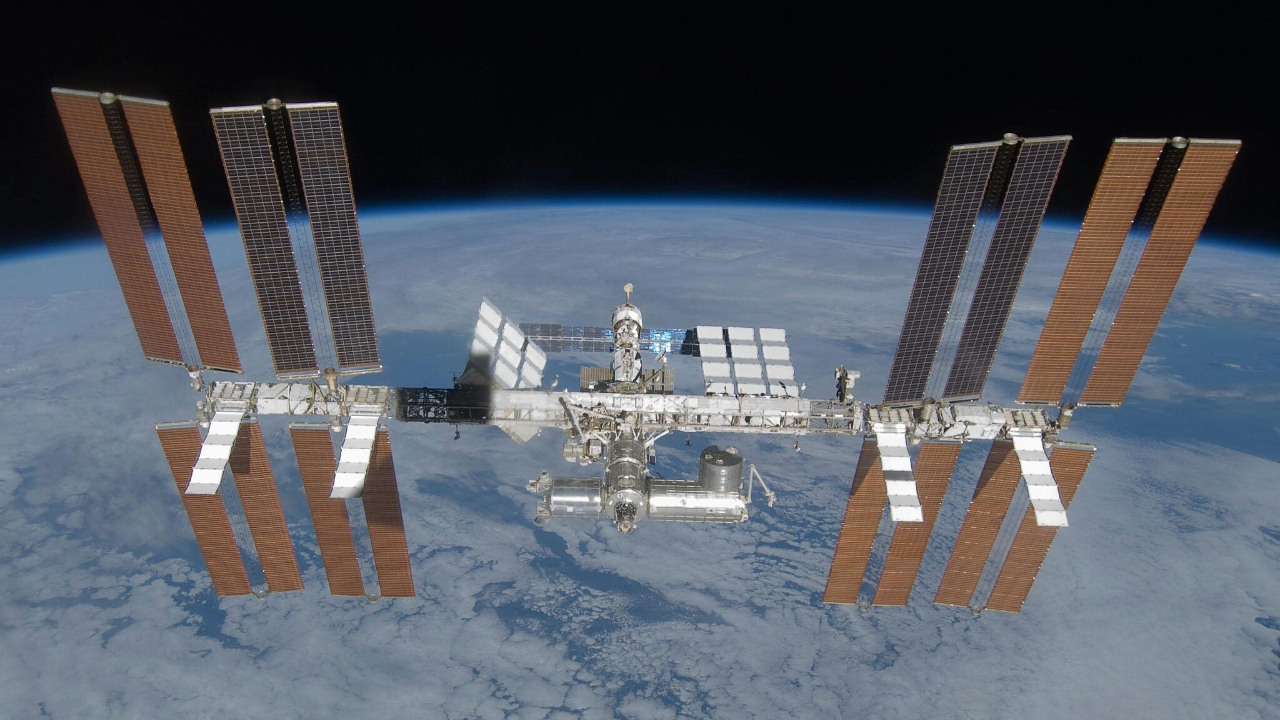
In 1993, one year after the U.S.-Russia space agreement went into effect, Russia joined NASA in what would become the International Space Station, a cooperative project to build the largest single crewed spacecraft ever in orbit. NASA, Russia’s Roscosmos and three other space agencies (from Japan, Canada and Europe), oversee a group of more than 15 countries working on the ISS.

Russia even launched the first component of the International Space Station in 1998.
Want more space history? Check out our full On This Day In Space Story archive and watch our On This Day In Space videos on YouTube.
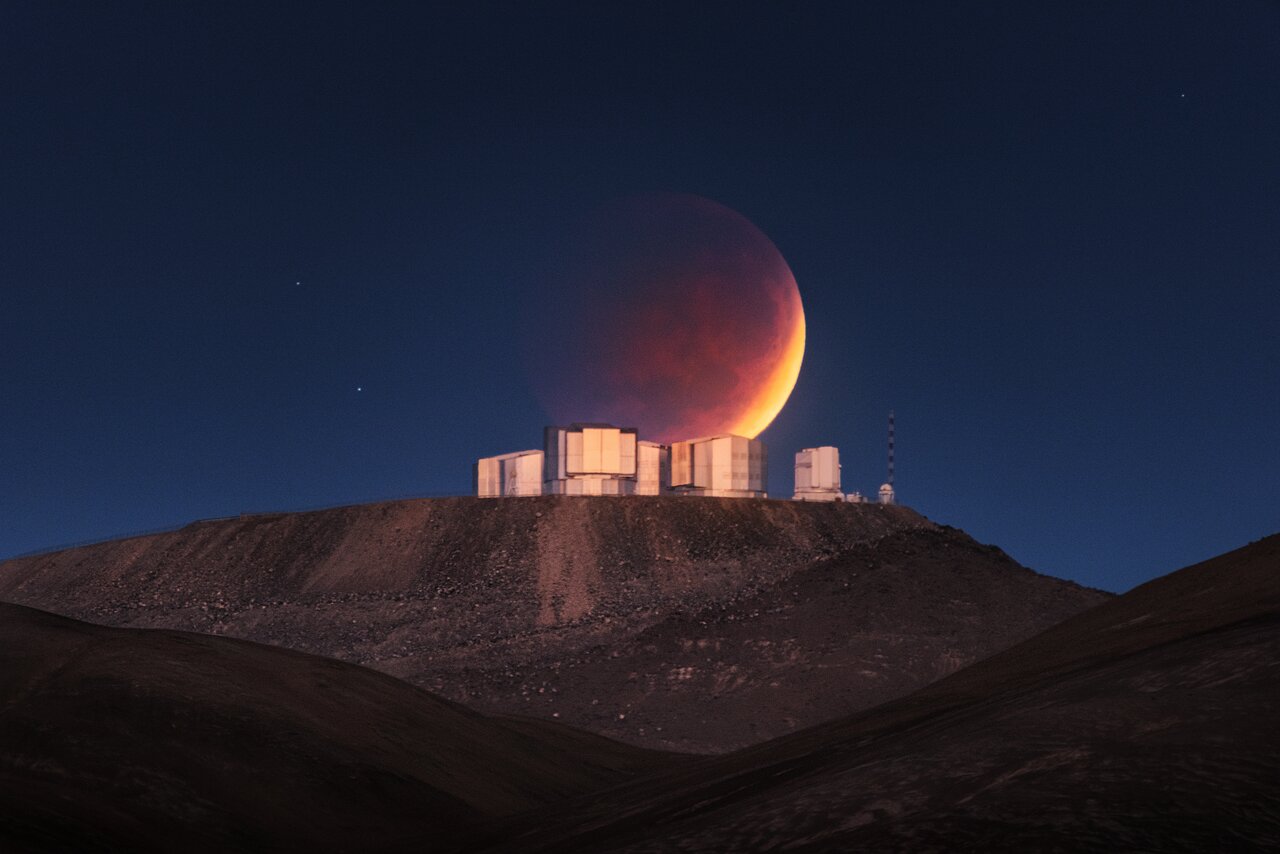
On this day in space! Oct. 5, 1962: The European Southern Observatory is born