Original Coverage & Source Attribution: africa.businessinsider.com
Perekop, a Russian Baltic Fleet training vessel, arrived at Namibia’s Walvis Bay port on October 20, 2026, after crossing the Indian and Atlantic Oceans.
Namibia’s ties with Moscow date back to Soviet support for its independence struggle against South African rule.
The Russian Baltic Fleet’s press service said Perekop covered more than 1,800 nautical miles in seven days, with cadets conducting shooting exercises and military training.
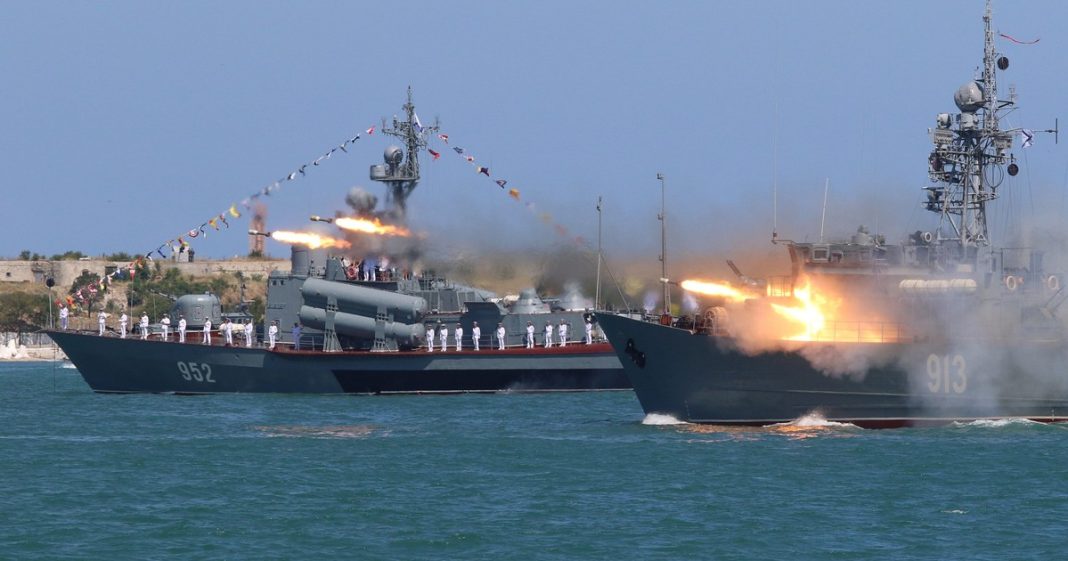
Despite its training role, the vessel carries 76 mm and 30 mm naval guns, anti-submarine rocket launchers, radar and sonar systems, according to naval reference database RusNavy.
Comparable equipment is found on former US Navy Oliver Hazard Perry-class frigates, British Type 23 frigates and Italian FREMM-class warships, although their capabilities differ.
At Walvis Bay, Russian officers met Namibian Navy representatives and hosted them aboard for a tour of the ship’s facilities.
Russia’s four-ocean naval expedition
Scheduled to conclude on December 9, 2026, the expedition spans the Arctic, Pacific, Indian and Atlantic Oceans, covering 14 seas, 23 straits, nine bays and two rivers.
Cadets from the Admiral Fyodor Ushakov Baltic Higher Naval School in Kaliningrad are receiving practical training in navigation, ship positioning and watchkeeping duties during the expedition.
Russia’s naval mission coincides with Europe’s Arctic security push
On October 20, the European Union unveiled a revised Arctic strategy to strengthen surveillance and protect shipping routes, undersea cables and energy infrastructure amid concerns over Russian military activity.
European Commission President Ursula von der Leyen warned that growing military activity and competition over shipping routes were reshaping security in the region.
“The Arctic is one place where the tectonic plates of geopolitics are colliding,” she said.
EU foreign policy chief Kaja Kallas raised similar concerns, stating: “Russia is expanding its military footprint in the High North. Moscow has reopened Soviet-era bases and is testing new weapons in the region.”