Original Coverage & Source Attribution: www.insidehousing.co.uk
The Regulator of Social Housing (RSH) is looking to increase its use of artificial intelligence (AI), according to its new corporate plan for 2026-29.
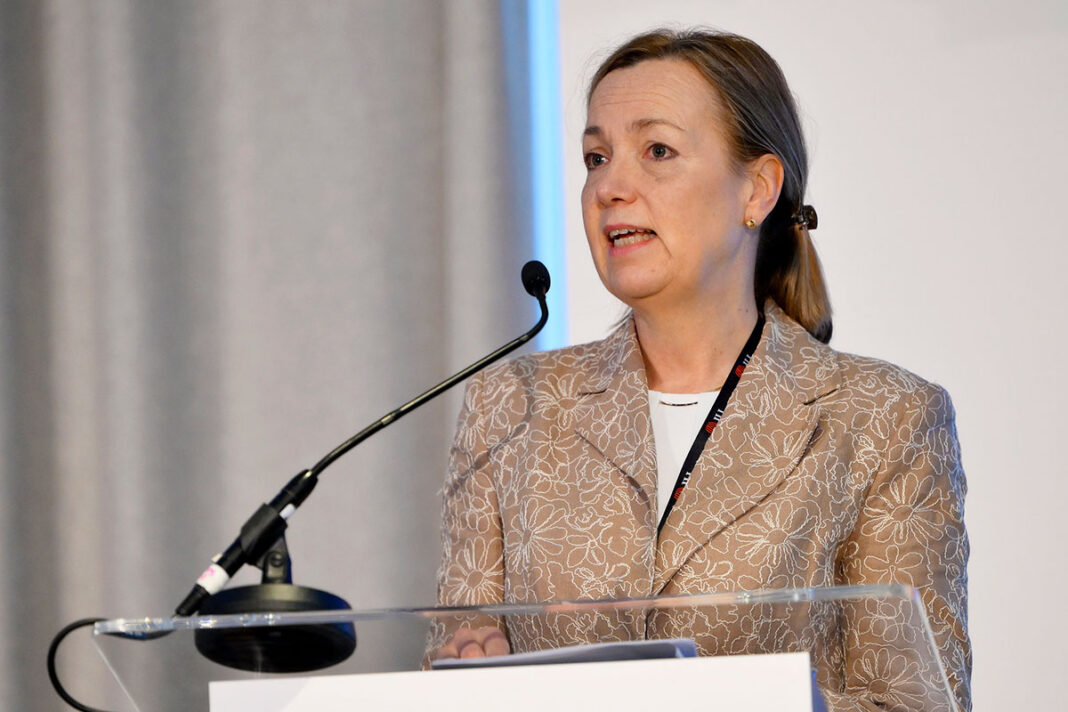
Bernadette Conroy, chair of the RSH, said the objectives set out in the plan “reflect the two key imperatives” that underpin its regulation: “growth and quality of social housing”
Sharelines
 The Regulator of Social Housing is looking to increase its use of artificial intelligence, according to its new corporate plan for 2026-29 #UKhousing
Alongside its plan to develop an “integrated digital, data and technology strategy” supporting its operational effectiveness and efficiency, the RSH is seeking to “increase use of automated data analysis as well as emerging technologies such as artificial intelligence”.
“The recent transfer of our digital provision from Homes England to [the Ministry of Housing, Communities and Local Government] paves the way for us to do this,” according to the plan, which sets out how the regulator will approach its work between 2026 and 2029.
Last month, Kate Dodsworth, deputy chief executive of the RSH, set out the regulator’s approach to AI use by the sector in Inside Housing Management.
She said the technology can help landlords to work quicker and more efficiently, but warned that human judgement “remains essential” and called for a “robust” framework to be in place in advance of significant adoption of AI.
The regulator’s plans to use more AI emerged under the heading of “building the right organisation”, one of its strategic objectives for the next three years.
Others include driving improvement, maintaining confidence in the sector, and working with others.
The plan also highlights the pressures landlords are under, including “challenging” wider economic conditions, such as the increased cost of borrowing and labour, as well as labour shortages in construction and building safety.
“Despite the challenges, private providers continue to invest significantly in new supply, spending £14.2bn on development and delivering 54,000 new social homes in 2025.
“Private registered providers adjusted their forecast development activity downwards in 2025, to 274,000 new units over the next five years,” it said.
However, it acknowledges that those figures “reflect plans prior to the government’s announcement of the new 10-year affordable housing grant programme and inflation-linked rent settlement”.
In the plan, the regulator said private registered providers “should consider how they can best use government grants and private investment to meet demand for new social and affordable housing”.
In August, the government allocated £9.58bn to 33 strategic partners outside of London, in the first wave of funding under the Social and Affordable Homes Programme.
London grants have yet to be announced. However, Inside Housing understands that a significant number of landlords have only been granted 40% of what they bid for from the capital’s pot.
The plan also refers to the regulator’s ongoing review of the more proactive consumer regulation regime introduced in 2024.
“This is now collating quantitative evidence and generating new qualitative evidence of the impact the reforms are having on landlords and tenants.
“The aim is to evaluate whether the reforms are helping us to deliver our fundamental objectives,” it said.
The evaluation is focused on the consumer standards and inspection regime.
“With an initial scoping and design phase completed, the evaluation work will now continue over the first four-year cycle of our inspection programme, allowing us to gain insights and revise our regulatory approach if required,” according to the plan.
The regulator told Inside Housing earlier this year that the inspection regime will change after the first four-year cycle.
Bernadette Conroy, chair of the RSH, said the objectives set out in the plan “reflect the two key imperatives” that underpins its regulation: “growth and quality of social housing”.
In its forward, she said: “This plan is the last that we will issue in the current three-year cycle.
“The next plan will be informed by a fundamental review of our vision, purpose and strategic objectives, and building on the discussions we will be having with stakeholders about our approach to economic regulation.”
The RSH is currently reviewing its economic regulation of the sector.