

Original Coverage & Source Attribution: www.mk.co.kr
New book, “Algorithms of Resistance”
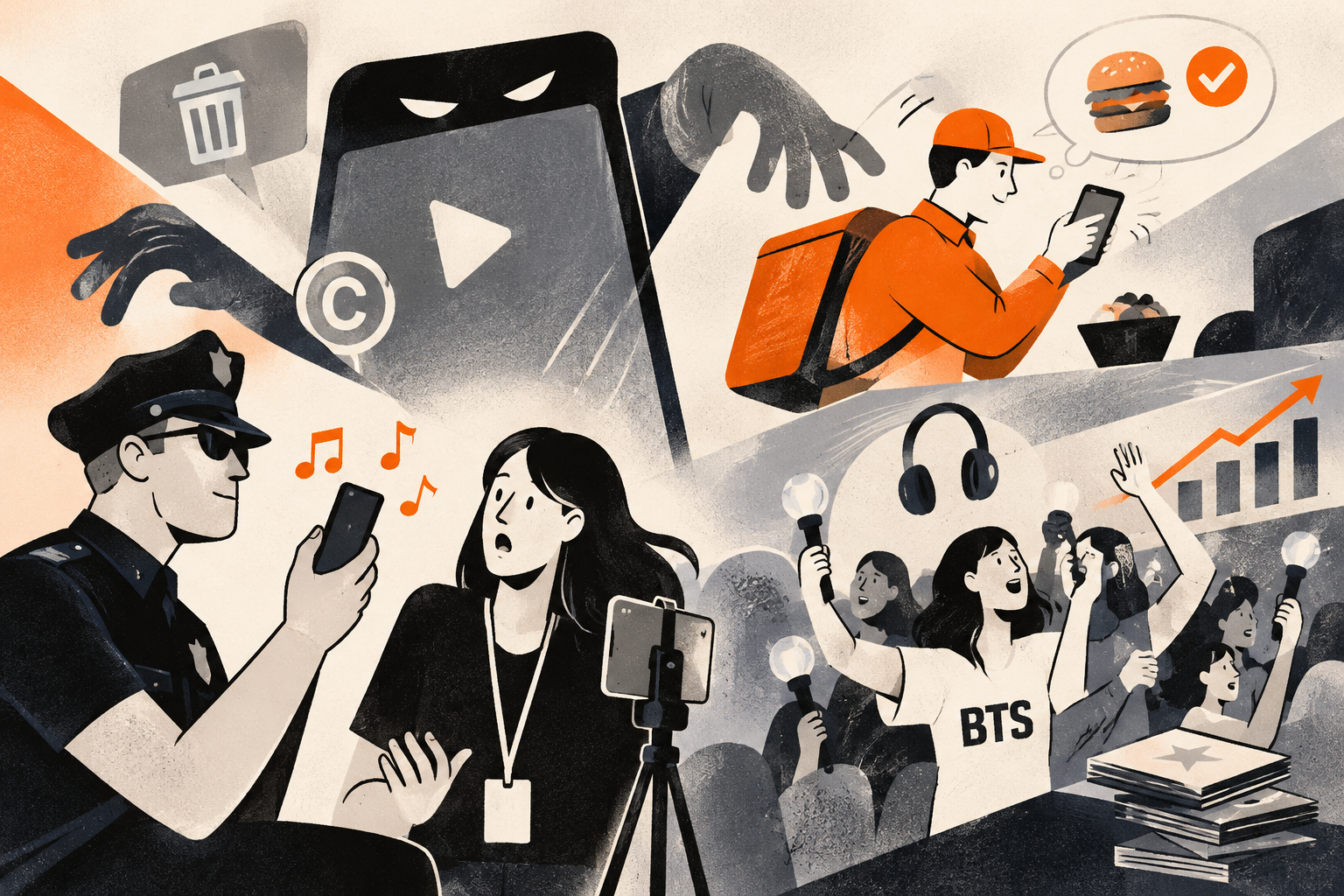
An American police officer plays a pop song on a smartphone in front of a social activist who is livestreaming a conversation with the officer on Instagram. The officer is not doing it to liven things up. The move is intended to exploit the fact that the platform’s copyright protection system may take down a video if it contains copyrighted music.
The new book “Algorithms of Resistance” examines a range of cases in which people figure out how algorithms work and use them to serve their own purposes. Through the everyday lives of people who use platforms, including delivery workers, content creators, fandoms and political activists, it explores how people twist, negotiate with and sometimes try to change algorithms.
According to the book, delivery workers using India’s food delivery app Zomato share tips on how to use algorithms to get free food. Here’s how it works: they place a food order using a second smartphone prepared in advance, then arrange for the delivery order to be assigned to themselves. As soon as they pick up the food, they cancel the order and keep it without delivering it. Although this harms the platform, the delivery workers justify their actions by saying that platforms, too, have used dispatch algorithms to exploit their labor cheaply and cut costs.
The author calls the ability to understand the rules of algorithms and use them to serve one’s own purposes “algorithmic agency.” It is the ability not simply to follow algorithms unilaterally, but to understand how they work and use them to one’s own advantage. Of course, as users learn the rules of algorithms, the algorithms also respond to users’ behavior and change. In this process, big tech companies and platform users are constantly engaged in a tug-of-war over their respective interests, and sometimes come into conflict.
It is also interesting that the author discusses BTS and K-pop fandom as an example of algorithmic agency. When BTS released a new album in 2018, some U.S. fans created more than 1,000 Spotify accounts and distributed them to fans in other countries. Fans around the world used the accounts to repeatedly play BTS’s music, boosting its chart rankings. The book notes that the fandom culture of streaming repeatedly as part of everyday life even gave rise to a slang term meaning “streaming as naturally as breathing.”
The author notes that K-pop fans actively take part in these activities while criticizing “bulk album buying” led by entertainment agencies as unethical and illegal. Although “breath-streaming” and “bulk buying” are similar in that both artificially boost chart rankings, fans view the two practices very differently. They see streaming that fans take part in voluntarily as a distinctive fandom activity, but regard agency-led bulk buying as a greedy way for those in power to make money. The author points out, “These practices of ‘playing with’ algorithms ‘from below’ are a manifestation of algorithmic agency,” and “the platforms’ countermeasures have also failed to suppress them.”

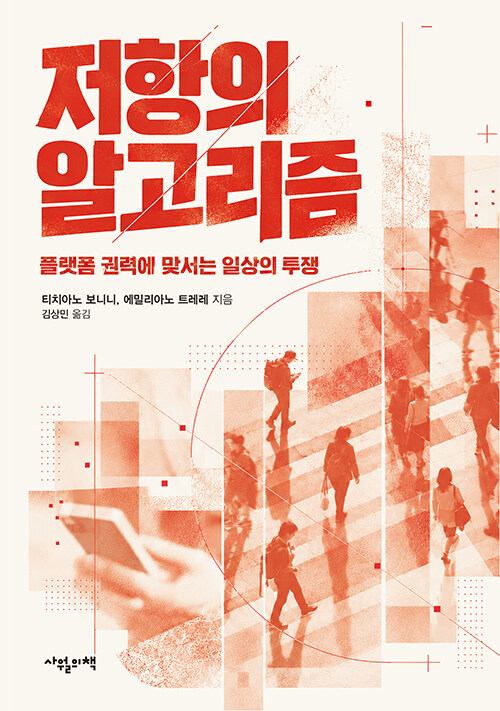
Written by Tiziano Bonini and Emiliano Treré, translated by Kim Sang-min, published by Sawol Books
This article has been translated by GripLabs Mingo AI.



