

Original Coverage & Source Attribution: screenrant.com
HBO has produced plenty of outstanding thriller TV shows, but its reputation becomes particularly impressive when miniseries enter the conversation. Long before streaming made compact, single-season stories a staple of small-screen entertainment, the network was already a go-to gripping bite-sized dramas with a definite ending. HBO worked out early on the appeal of substantial yet bingeable stories that deliver the satisfaction of a complete narrative without demanding years of commitment.
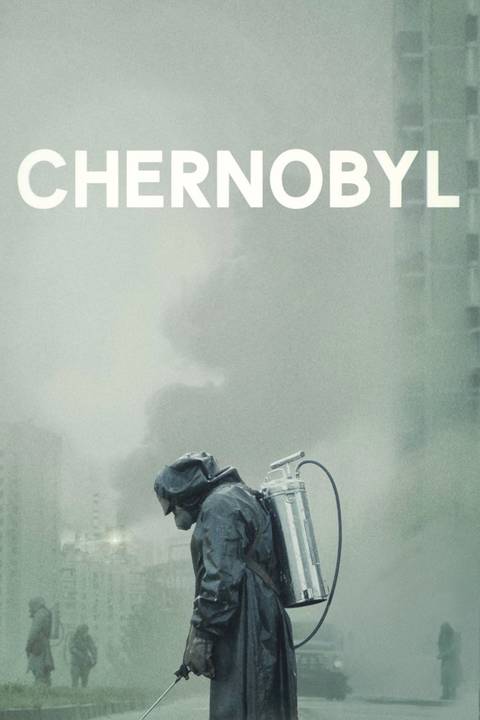
Still, while many HBO thriller miniseries deserve attention, one stands apart for the sheer precision of its storytelling. Even the tightest limited series usually contains an episode, subplot, or handful of scenes that don’t contribute much to the overall viewing experience. 2019’s Chernobyl, on the other hand, makes virtually every minute of its five episodes feel essential. There are no comfortable pauses between its horrific moments, yet it never feels rushed. Each development deepens the catastrophe, makes the human cost even heavier, or exposes another devastating institutional failure.
Dramatizing the 1986 nuclear disaster and the struggle to contain its aftermath, Chernobyl earned acclaim that is difficult to overstate. The series won 10 awards from 19 nominations at the Primetime Emmys alone, an extraordinary haul for a mere five episodes. However, its brilliance deserves closer inspection than a simple awards tally or acknowledging its outstanding 95% Rotten Tomatoes score. Chernobyl is a true achievement thanks to weaving a real-world catastrophe into an unbearably intense survival thriller narrative, perfectly walking the line between historical dramatization and gripping TV storytelling.
Chernobyl Is A Masterclass In Narrative Pacing
The real Chernobyl disaster was a tragedy whose suitability for dramatization as a survival thriller is immediately apparent. A story focusing on an escalating emergency with potentially global ramifications and the people risking their lives to contain has obvious appeal. However, organizing the overlapping failures and responses surrounding history’s worst nuclear disaster into a coherent narrative required much more than simply recreating the frightening events of 1986. The success of HBO’s Chernobyl was never guaranteed, it was earned.
Chernobyl takes the timeline of the real-life disaster and creates a narrative structure from it that ensures every episode changes the audience’s understanding of the crisis. The initial confusion becomes a desperate containment effort, then an exhausting reckoning with the damage. Then, in the final episodes, the investigation explains how the catastrophe became possible. Each episode has a purpose. By the time the technical explanation-heavy finale arrives, it feels like a devastatingly satisfying payoff. The HBO series makes sure that biewers understand precisely why the complex science they’re being fed matters.
The series also uses quieter moments away from the disaster itself to help maintain momentum. Chernobyl’s hospital scenes and bureaucratic confrontations reveal essential context-creating consequences that focusing on the emergency response alone couldn’t. Moving between these perspectives gives the disaster a human scale without reducing focus to a single character. The people containing the catastrophe remain central, but their suffering carries more weight because Chernobyl fully examines the ramifications beyond the immediate risk of nuclear fallout for the first responders.
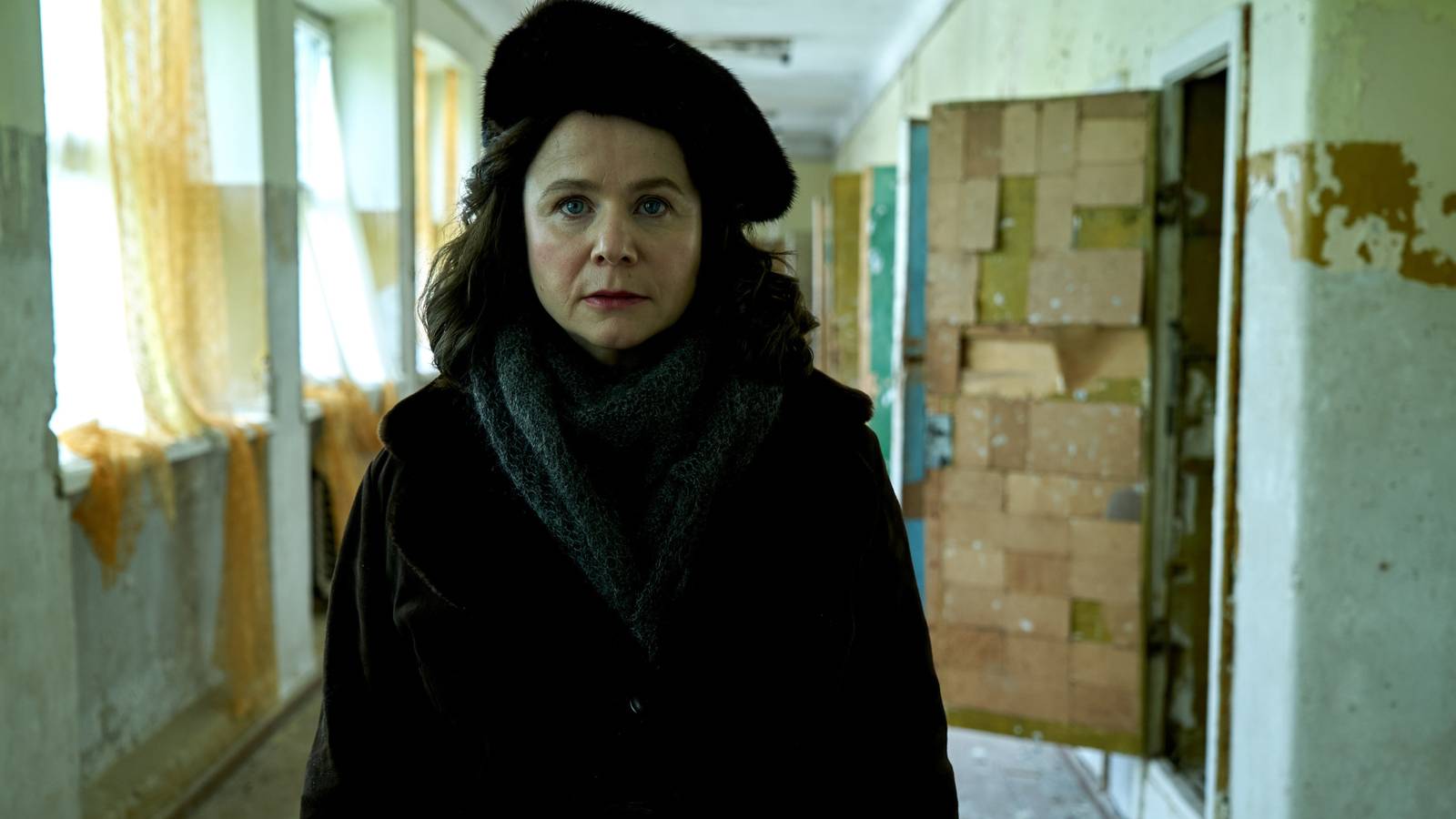
It’s true that Chernobyl did need to have a creative interpretation of some historical moments to make its story work, but the creation of characters like Ulana Khomyuk (Emily Watson) simply serve to condense multiple existing perspectives into a single lens for viewers. This is why its success should be considered an achievement: it didn’t rampantly alter real-world history to try and create a gripping story. Not only did it mostly avoid sensationalism, but it also didn’t fall into the trap of many historical dramas whose commitment to realism make them feel more like documentaries than dramas. Both are easy pitfalls, but Chernobyl managed to tell a truly gripping story without having to radically reinterpret history to do it.
Chernobyl Would Be Groundbreaking Even Without Its Real-Life Roots
Chernobyl deserves recognition for dramatizing an infamous disaster, but the historical significance of the real-life event isn’t the only reason the miniseries stands out as one of the best HBO has ever made. Even if the chilling events it depicted were entirely fictional and had never actually happened, it would still be an exceptional survival thriller. It’s a series that understands how to make a global scientific danger feel intimate and comprehensible. That definitely isn’t an easy feat.
The show uses the various elements of nuclear disaster incredibly well rather than relying on the traditional threat of a massive explosion. For example, Chernobyl makes the dangers of radiation absolutely terrifying. An ordinary corridor or a fragment of debris becomes intrinsically tied to a deadly unseen threat. The show’s sound design amplifies the feat by turning the danger into an oppressive presence for viewers, while the cinematography creates a claustrophobia that makes everything feel inescapable. Even if this wasn’t based on actual events, it would still be both riveting and harrowing in equal measure.
The survival sequences also establish clear objectives that make the plot of Chernobyl incredibly bingeable. The show explains to viewers what must be done and why it’s difficult, ensuring they understand even when the surrounding science is complex. What’s more, thanks to radiation exposure has consequences that extend beyond the immediate scene, the relief of an obstacle being overcome never truly relieves the underlying tension and dread.
The denial and failure of the institutions best positioned to respond to the disaster makes this tension even more relentless. Individual effort can count for nothing when a politician thousands of miles away decides the cost of containing the disaster isn’t worth the political upheaval or scandal. That combination of narrative clarity, well-rounded characters, and long-term dread-building threats would make for a groundbreaking survival thriller even if its events were entirely fiction. The real history intensifies the horror, but the storytelling in Chernobyl is strong enough to secure an enduring legacy on its own.

- Release Date
-
2019 – 2019
- Network
-
HBO
- Showrunner
-
Craig Mazin
- Directors
-
Johan Renck
- Writers
-
Craig Mazin



