

Original Coverage & Source Attribution: www.kyivpost.com
Azerbaijan announced plans to resume purchasing Russian natural gas from Gazprom during Russian Energy Week in Moscow on Friday, Oct. 16, signaling renewed energy cooperation with Moscow as Western countries seek to curb the revenues financing Russia’s war against Ukraine.
Elshad Nasirov, vice president of Azerbaijan’s state oil company SOCAR, told participants at the Moscow forum that Baku was interested in restarting gas purchases and exchange operations with Russia’s state-controlled energy giant.
“SOCAR is the only company in the world which started out buying gas from Gazprom and then began supplying gas to Gazprom, and now we want to start buying and exchanging gas with Gazprom once again,” Nasirov said, according to Interfax’s report from Moscow.
Nasirov acknowledged that the two sides had not agreed on specific purchase volumes or delivery dates.
The declaration is particularly significant because Azerbaijan has positioned itself as an alternative supplier of natural gas to Europe since Russia launched its full-scale invasion of Ukraine in February 2022.
Azerbaijani gas flows to European markets through the Southern Gas Corridor, a pipeline network supported by the European Union as part of its strategy to reduce dependence on Russian fossil fuels.
The prospect of renewed Russian gas imports into Azerbaijan raises questions about how Baku intends to balance its expanding commercial relationship with Gazprom against its commitments to European energy diversification.
Other Topics of Interest
Trump Fires White House Press Secretary Katie Zacharia After Just Five Days
Zacharia’s dismissal follows questions over her legal credentials, a widely criticized press briefing and controversial remarks about China.
In July 2022, European Commission President Ursula von der Leyen and Azerbaijani President Ilham Aliyev signed an agreement to expand cooperation on natural gas supplies.
The European Commission’s memorandum envisaged increasing the Southern Gas Corridor’s annual capacity to at least 20 billion cubic meters by 2027.
Brussels presented the arrangement as part of its REPowerEU strategy to reduce dependence on Russian energy following Moscow’s invasion.
“We will double the supply of gas from Azerbaijan to the European Union,” von der Leyen said when the agreement was signed.
She described the Southern Gas Corridor as an important route for replacing Russian supplies and strengthening European energy security.
Moscow seeks new energy opportunities as Washington eases sanctions
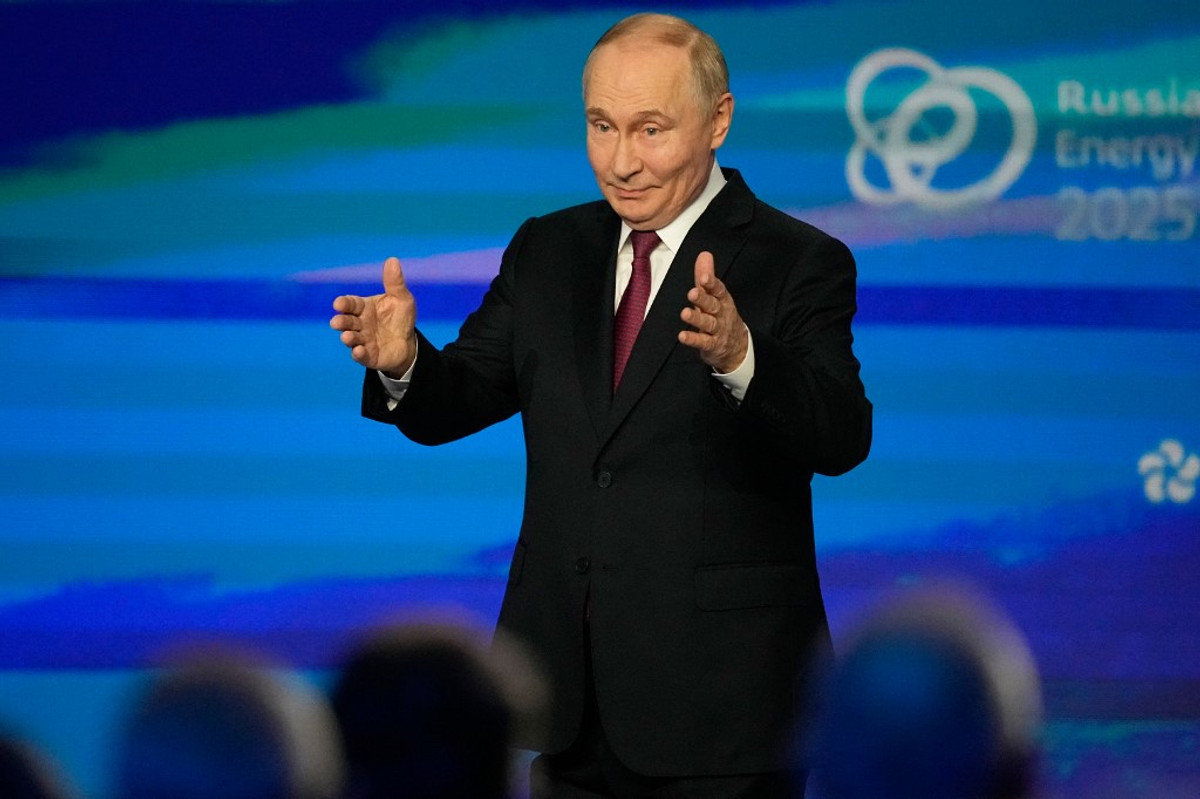
Russian Energy Week, held in Moscow from Oct. 14–16, brought together Russian officials, energy executives and international partners to discuss oil and gas markets, investment and energy cooperation as Moscow seeks to maintain exports despite Western sanctions over its invasion of Ukraine.
Azerbaijan announced plans to resume Russian gas purchases on the forum’s final day, hours before President Donald Trump signed an executive order waiving sweeping sanctions and tariffs against Russia.
The legislation, known as the Lindsey O. Graham Sanctioning Russia and Iran Act, targeted Russian energy revenues, financial institutions, defense companies and major foreign buyers of Russian oil and gas.
Trump invoked a national interest exemption to suspend the new penalties, following his controversial diesel agreement with Russian President Vladimir Putin.



