

Original Coverage & Source Attribution: timesofindia.indiatimes.com
When wellness becomes another competition
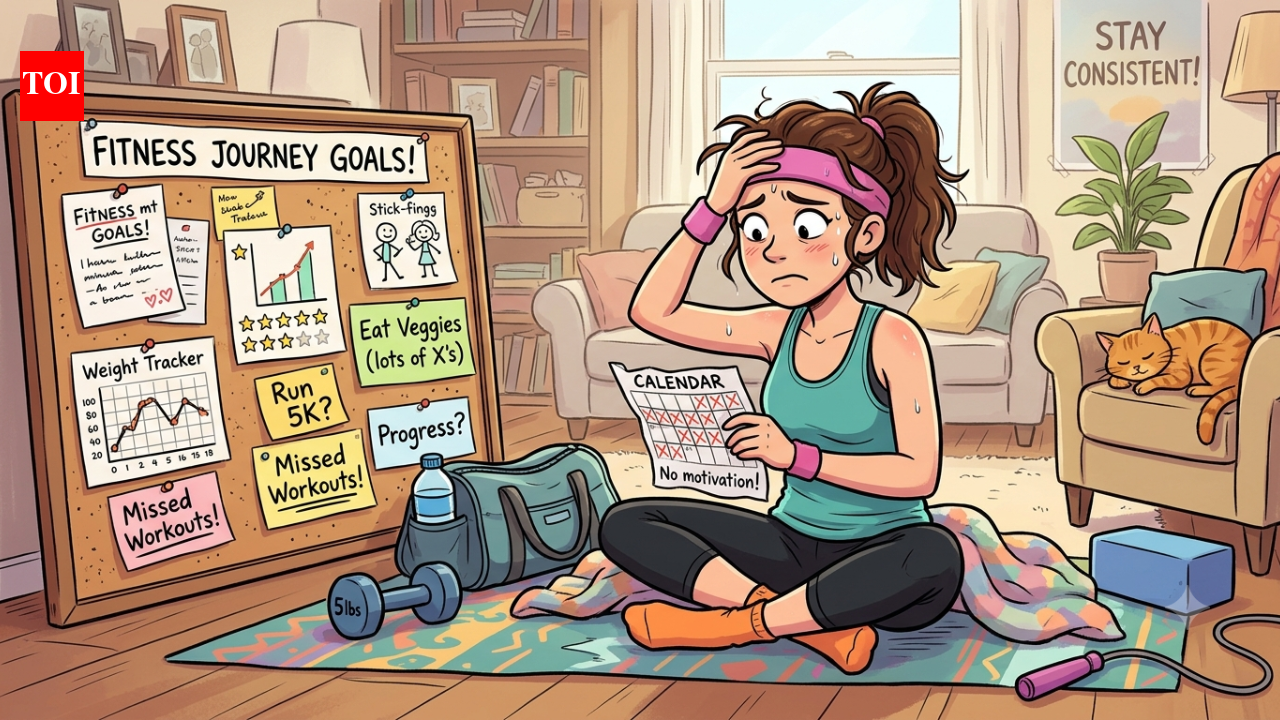
Social media has changed how people discover and practise self-care. Fitness challenges, elaborate morning routines, meditation streaks and carefully planned meals make wellness look like a lifestyle that requires constant discipline.But the images rarely show the effort, financial cost or everyday difficulties behind these routines. What appears to be inspiration can gradually become a standard against which people judge their own lives.A 2019 survey by the Mental Health Foundation and YouGov found that 22% of British adults said images on social media had made them worry about their body image. Although the finding specifically relates to body image, it highlights how exposure to idealised online content can influence how people feel about themselves.Akshina Jindal, Founder of Bubble Me, believes that self-care is increasingly becoming another performance metric.The pressure often appears in small ways. Missing a workout can trigger guilt. Skipping meditation can feel like a personal failure. A poor sleep score can make someone anxious about a night of rest that might otherwise have felt perfectly adequate.Gradually, healthy habits stop feeling supportive and start becoming obligations.
Why even sleep has become another target
Sleep is one of the clearest examples of this shift. People are encouraged to follow strict bedtime routines, monitor sleep stages and aim for particular scores on wearable devices.Getting enough sleep is essential for physical and mental health. The US Centers for Disease Control and Prevention (CDC) recommends at least seven hours of sleep for adults aged 18–60.However, the CDC’s 2024 data estimated that 30.5% of US adults slept for fewer than seven hours in a 24-hour period.A more realistic approach could involve stepping away from work in the evening, reducing screen time, maintaining a reasonably consistent bedtime and allowing the body to wind down without obsessing over every measurement.
Magnesium, wellness trends and the search for better sleep
The growing interest in sleep has also brought attention to nutrients such as magnesium. It is naturally present in foods such as almonds, pumpkin seeds, legumes, whole grains and leafy green vegetables.However, its growing popularity as a sleep supplement should not be confused with established evidence that supplementation can treat insomnia.The US National Center for Complementary and Integrative Health (NCCIH) notes that research examining magnesium supplements for insomnia and other sleep disorders remains limited, with insufficient evidence to establish their effectiveness.This is an important distinction in a wellness market where ordinary nutrients can quickly become marketed as solutions to multiple health concerns.
Self-care does not need to look impressive
Jindal believes that wellness should be accessible, individual and easy to maintain rather than another demanding routine.Eating regular meals, going for a walk, spending time with friends and family or simply taking a break from work can all be meaningful forms of self-care.The idea is not to abandon healthy habits but to stop measuring their value through constant achievement.Perhaps the most useful shift is to stop asking whether a wellness routine looks impressive and start asking whether it actually makes everyday life better.Self-care should leave people feeling supported, not inadequate. Wellness is not about achieving a perfect sleep score, completing every meditation session or following an elaborate morning routine. Sometimes, taking care of yourself means doing less, stepping away from the pressure.



