

Original Coverage & Source Attribution: cristinaiglesias.com
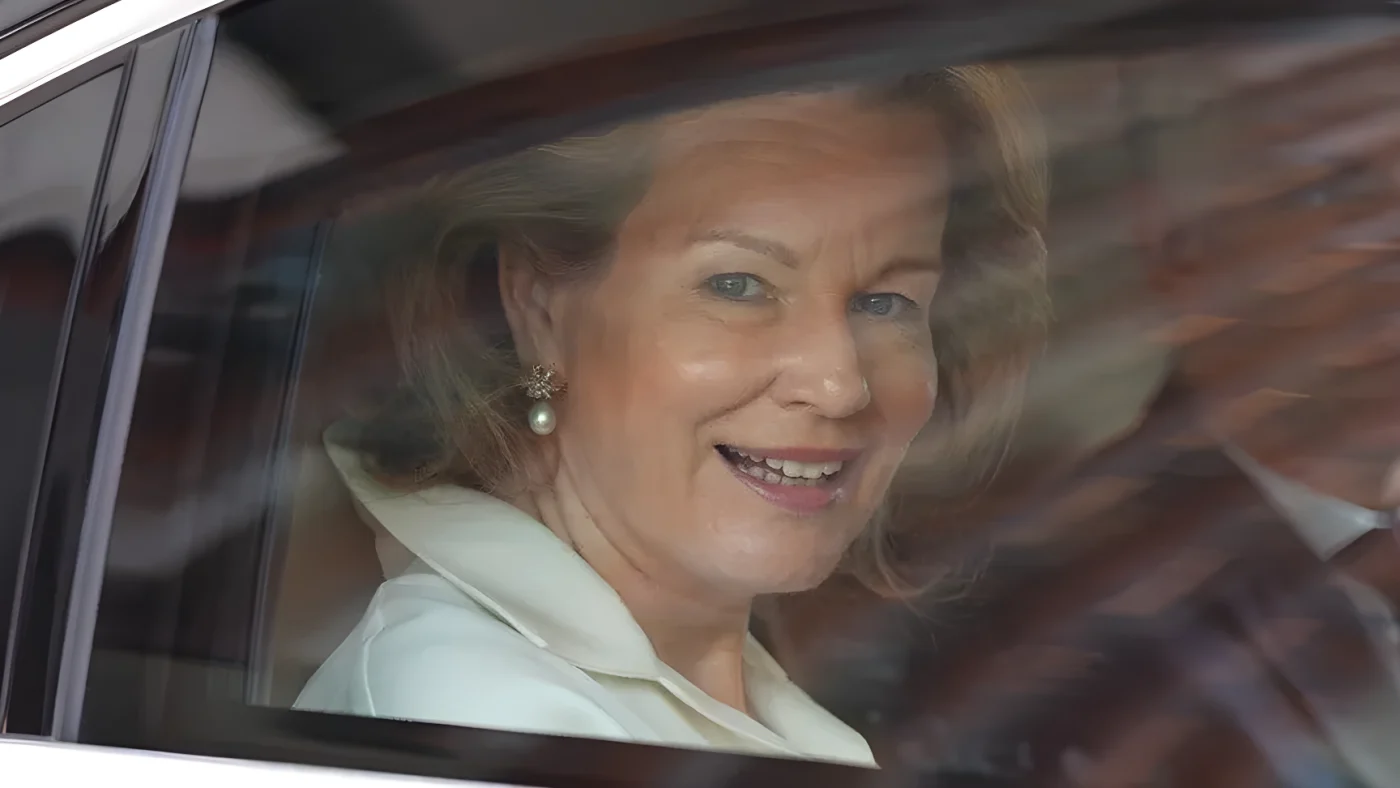
Queen Mathilde of Belgium and her daughter, Crown Princess Elisabeth, have been targeted in sexually explicit synthetic media circulating across social media platforms. The Belgian Royal Palace confirmed swift action to scrub the fabricated explicit depictions from the web, marking a severe escalation in high-profile attacks driven by non-consensual AI deepfakes.
The circulation of the fabricated naked images, initially uncovered by the Belgian daily Le Soir, extends far beyond royalty. High-profile female leaders across the political sphere were intentionally targeted in the coordinated wave of synthetic imagery, igniting widespread demands for cross-border criminal accountability.
Belgian political leaders targeted alongside the monarchy
The synthetic abuse deliberately singled out some of Belgium’s most prominent public servants. Investigations by national media outlets confirmed that Flemish Vice-Minister-President Melissa Depraetere and former Belgian Defence Minister Ludivine Dedonder were both targeted alongside the wives of senior government officials.
“As disgusting as it is, very little surprises me anymore,” Melissa Depraetere stated, emphasising that creating and spreading these fabrications is unacceptable behaviour that destroys lives.
In response to the violations, Dedonder confirmed plans to lodge a formal legal complaint over the illicit material. The incident highlights how readily visual manipulation tools are weaponised against public figures to demean, harass, and destabilise their standing.
The growing cross-border threat of synthetic abuse
Civil society organisations and digital rights campaigners maintain that non-consensual intimate imagery disproportionately harms women and girls. Rather than isolated acts of visual forgery, these operations function as systematic privacy violations designed to intimidate women in public life.
Similar attacks have targeted leading European figures in recent years. Italian Prime Minister Giorgia Meloni pursued legal redress after two men created and distributed deepfake pornography bearing her likeness, seeking €100,000 in civil damages. Meloni separately moved to register her voice as a trademark via the European Union Intellectual Property Office to halt non-consensual algorithmic impersonations.
Regulatory crackdowns under the EU AI Act
Authorities across Europe are moving from voluntary platform moderation to enforceable prohibitions against illicit synthetic content creators. Proposed amendments to the EU Artificial Intelligence Act explicitly target tools that generate or alter realistic intimate imagery without direct personal consent.

| Case & Authority | Action & Legal Response |
|---|---|
| Belgian Royal Palace & Ministers | Formal removal operations and lodging of official legal complaints |
| Giorgia Meloni Civil Action | Claimed €100,000 damages and registered EU voice trademark |
| European Union Regulatory Framework | Prohibiting AI systems designed to generate non-consensual intimate media |
Under the revised legislative text, developers and distributors face strict outright bans if their systems produce unconsented, sexually explicit depictions of identifiable living persons. Enforcing these prohibitions across borderless networks remains the primary obstacle facing international law enforcement.
How legal bodies distinguish real media from synthetic material
To prosecute digital visual abuse effectively, prosecutors and forensic analysts evaluate synthetic files against established technical and contextual standards:
- Consent verification: Confirming the total absence of explicit, documented permission from the subject depicted.
- Forensic image inspection: Identifying automated synthesis artefacts, altered pixel distributions, and unnatural boundary blending around facial and neck structures.
- Provenance tracking: Tracing the generation prompt history, model architecture, and initial network seed across hosting servers.
A common public misconception assumes that because deepfakes are digital fabrications, they carry lighter civil penalties or exist in a legal grey area. In practice, regulatory bodies and courts treat malicious synthetic nudity as severe personal violations carrying substantial financial penalties and potential criminal liability.
The rapid abuse of generative software against monarchs and politicians underscores the urgent need for international enforcement mechanisms.
As statutory prohibitions take effect across Europe, the challenge shifts toward tracking domestic and offshore hosting providers distributing manipulated files.
Share your view in the comments below: Do the forthcoming legislative bans offer enough protection against malicious synthetic media?



