

Original Coverage & Source Attribution: www.independent.co.uk
Want to bookmark your favourite articles and stories to read or reference later? Start your Independent Membership today.
Already a member?
Log in
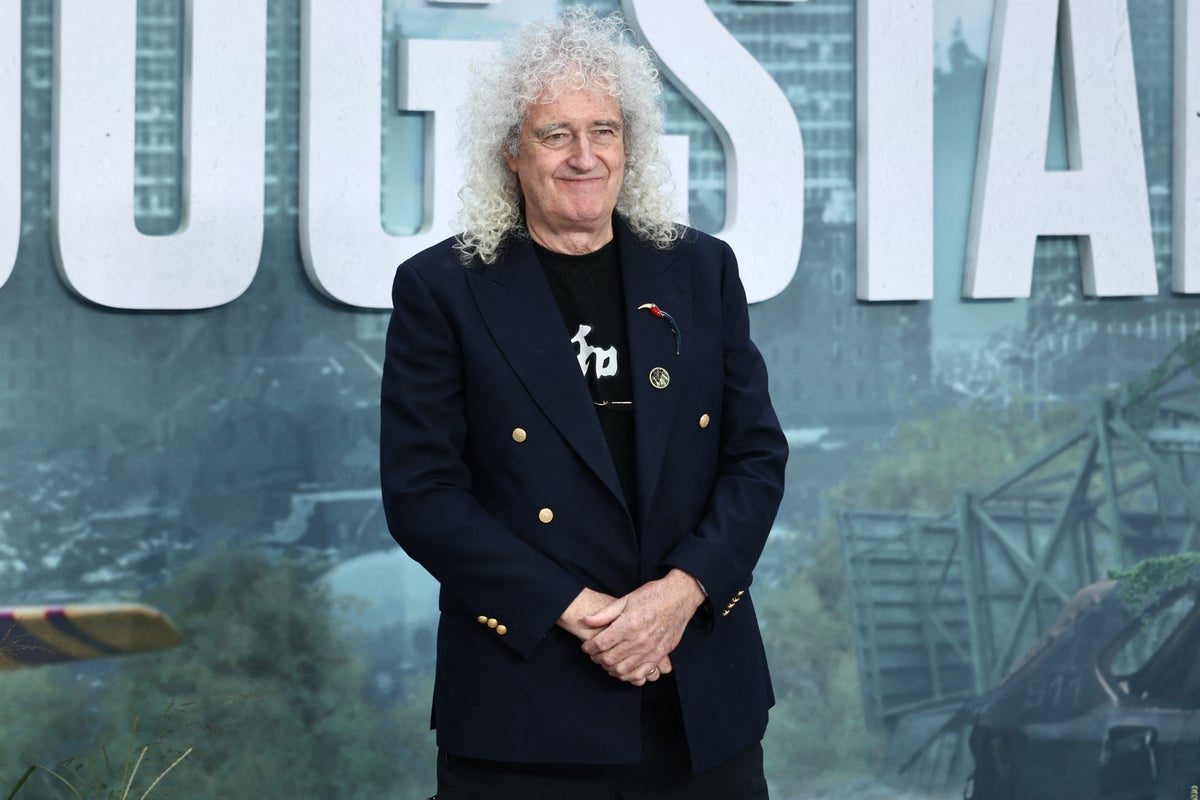
Queen legend Sir Brian May has recalled the moment Neil Armstrong responded to a speech he made about human exploration in space, while lamenting what he perceives as a lack of “decent” billionaires.
The revered guitarist gave a notable speech in 2011 in which he questioned the idea of humans venturing beyond Earth “when we’ve made such a mess of our own planet”.
Sitting in the audience were six Apollo moonwalkers including Apollo 11 astronauts Neil Armstrong and Buzz Aldrin, who were the first men to walk on the moon, as well as Charlie Duke and Harrison Schmitt from the Apollo 16 and Apollo 17 missions.
“I wish I could find a billionaire who was a decent human being,” May, 79, told EL PAÍS at Starmus, the music, science and philosophy festival he hosts in Spain’s Canary Islands.
“They all seem to be fostering their own selfish interests while the world falls apart: they’re destroying it, people are suffering. That’s more important than going to space.”
He continued: “The first time I gave a speech about why we should be in space, I said: ‘Why do we feel confident, worthy, to be putting our seed into space when we’ve made such a mess of our own planet?’”

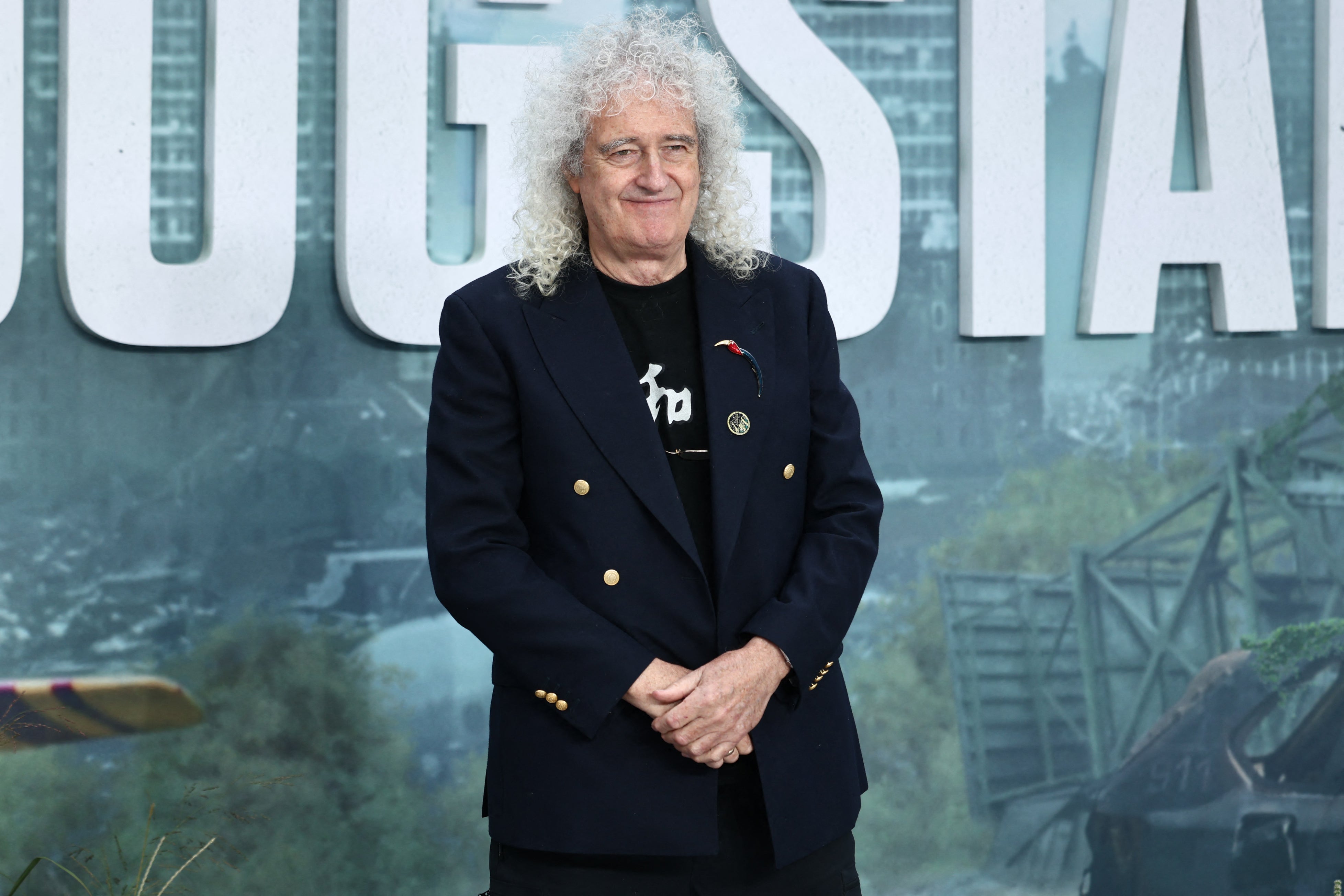
May admitted he was “petrified, terrified” to make those remarks in front of Armstrong and his peers: “I thought I might be saying maybe we shouldn’t go to space, in front of those who pioneered it, and that they would hate me.”
To his surprise and relief, Armstrong came up to him after he left the stage and apparently said: “You said the right thing.”


Enjoy unlimited access to 100 million ad-free songs and podcasts with Amazon Music
Sign up now for a 30-day free trial. Terms apply.
ADVERTISEMENT. If you sign up to this service we will earn commission. This revenue helps to fund journalism across The Independent.
The journalist noted that the exploration of space had shifted from “a matter of nations and science” to “private companies and billionaires”, as hugely wealthy and controversial individuals such as Jeff Bezos and Elon Musk.
This week, Russian president Vladimir Putin called Musk, founder and CEO of aerospace manufacturer SpaceX, a “real genius” after revealing he and Musk are in “close” contact about satellite technology.

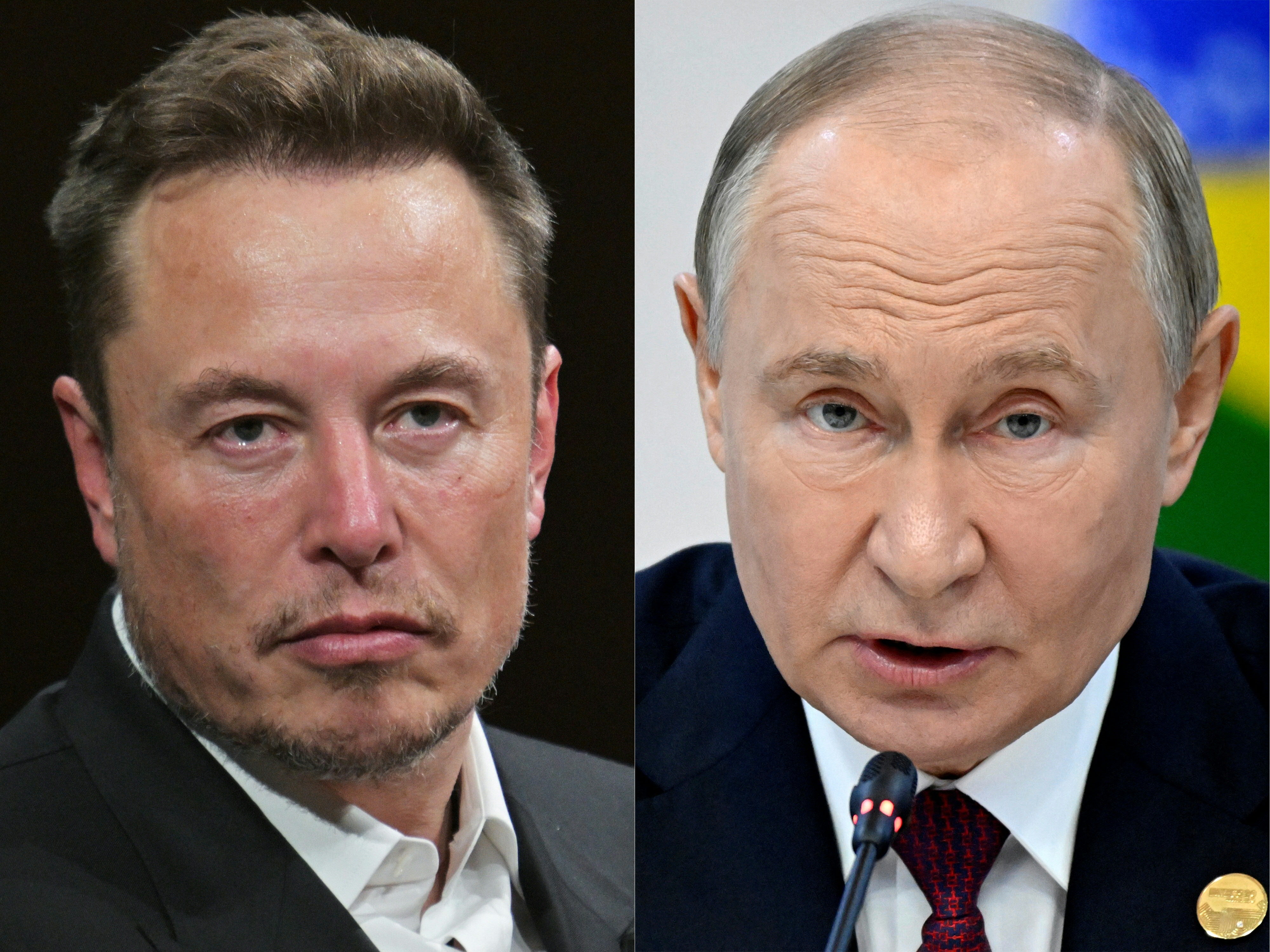
Speaking at the Russia-Africa summit in Moscow, Putin said it was important for Russia to be in contact with Musk so Russia’s satellite project, Rassvet, and SpaceX’s Starlink did not “interfere with each other in orbit”.
His comments came just weeks after Ukraine, which uses a military version of Starlink, named Starshield, as a crucial component of its drone operations and battlefield communications, complained of speed restrictions hampering its ability to intercept Russian attack drones.
Neither Musk nor the US government, which operates Starshield using Starlink technology, have taken responsibility for imposing the speed curbs.
Meanwhile, Amazon billionaire Bezos received criticism last year for his highly publicised Blue Origin NS-31 mission, in which six all-female crew members including pop star Katy Perry and Bezos’s wife, Lauren Sanchez, for an 11-minute space flight.
While the mission was billed as a historic, feminist moment, it was derided by many as a marketing stunt for Bezos’s space tourism business, while others castigated the environmental impact of the trip. Sources later said that Perry regretted the “public spectacle” she made of the mission, famously kissing the ground after the rocket touched back to Earth.
As well as his rockstar credentials, May earned a PhD in astrophysics from Imperial College London in 2007, three decades after pausing his studies to focus on his music career with Queen.
He recently suggested that Queen could be finished with touring after 50 years, explaining that he wants to spend more time with family and on astrophysics.



