

Original Coverage & Source Attribution: www.kyivpost.com
Britain’s latest sanctions on Russia will not, by themselves, bring Russia to its knees. However, announced as European leaders gather in Dublin, the sanctions loudly state that talks about peace do not mean open season on Russian oil, and that Ukraine is not being abandoned while others bargain over its future.
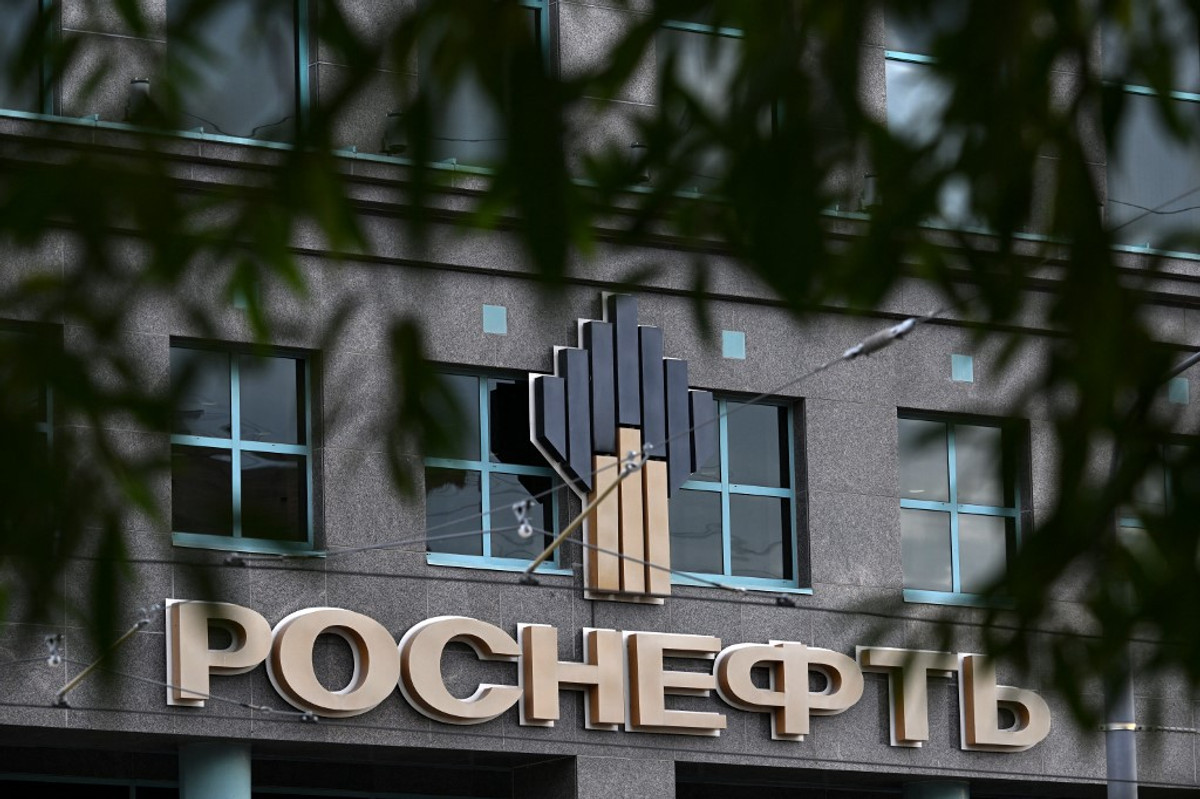
On Nov. 12, London designated Slavneft and Rosneft’s Arctic Vostok Oil project, alongside shipping and other energy interests. The government says Britain is now the first country to have directly sanctioned all 10 of Russia’s largest oil producers.
Slavneft is jointly owned by Rosneft and Gazprom Neft, both already subject to British restrictions. Under UK rules, companies owned or controlled by designated entities can already be caught by asset freezes, even if their own names are absent from the list.
The UK’s decision puts banks, insurers and oil traders on clearer notice. Since sanctions work through the practical decisions of those intermediaries, reducing legal ambiguity can matter as much as adding another headline name.
Putting a company on a sanctions list does not stop its oil reaching customers. The Centre for Research on Energy and Clean Air calculates that 60 percent of Russia’s seaborne oil in October moved on already sanctioned shadow-fleet tankers. While this is not proof sanctions are useless, it is proof Russia has built ways around them, and that designation without enforcement is insufficient.
Other Topics of Interest
Burnham said the agreements will add $22 billion to the UK economy, but EU states will delay implementation until London cuts tuition fees for EU students.
The potential financial cost to Moscow runs into billions, as researchers estimate that a properly enforced $30 crude oil price cap, alongside tighter product caps, could have deprived Russia of €3.4 billion in seaborne oil revenues in October alone. That is precisely why enforcement matters more than the length of any sanctions list.
The same researchers estimate Russia earned an average €754 million a day from fossil-fuel exports in October, 14 percent more than in September. As each remaining revenue stream gives the Kremlin room to fund the state, absorb losses and keep bombarding civilian targets, Ukraine needs measurable financial pressure, not just increasingly long spreadsheets of names.
The new measures also target the shipping and trading networks keeping Russian oil moving. Past British sanctions had already designated hundreds of shadow-fleet vessels, but more must be done as Russia adapts, and sanctions must follow the transaction from oilfield to tanker, insurance certificate, payment and ultimate beneficiary.
Much of Russia’s oil revenue now depends on buyers beyond London’s reach. China and India remain enormous buyers of Russian energy, despite India’s Commonwealth membership and close economic relationship with Britain. European states continue purchasing Russian gas, while Washington has authorized certain Russian-origin diesel transactions, even though no confirmed deliveries had reached American buyers by Nov. 12.
Westminster still has more to offer, and needs reminding that credibility requires progressively closing such gaps, not merely criticizing others – Britain has sanctions exceptions of its own. Its temporary license for certain diesel and jet-fuel imports refined abroad from Russian crude remains in force until January.
President Zelensky cannot be expected to accept an agreement under which Russia enjoys economic relief while Ukraine receives only promises. A ceasefire that rewards coercion without enforceable security guarantees would invite another crisis, which may be much closer to home for London.
Peace talks have too often raised fears of sanctions being traded away before Russia changes course. Instead, Britain is tightening restrictions at precisely the moment when a premature relaxation would make negotiations less credible, in a reminder that peace talks should not become a clearance sale of the aggressor’s obligations.
Sanctions that send oil prices soaring could end up enriching the very country they are intended to punish. The West cannot promise that every barrel of Russian oil can be removed overnight, as energy shocks will increase global prices, harming Ukraine’s supporters and sometimes raising revenue on Russia’s remaining sales. Washington’s blame game over fuel prices after the Iran war illustrates the scapegoating Ukraine can face. The more effective strategy is coordinated restrictions on services, tighter enforcement and lower net proceeds to Moscow, while maintaining alternative supplies.
Ukraine needs allies prepared to accept economic costs, not simply condemn Russian aggression. Real solidarity is measured by what governments are willing to restrict, finance and defend when doing so is inconvenient. Yet again, Britain’s sanctions announcement is a useful demonstration of that seriousness, but it must be followed by scrutiny of traders and financiers outside British jurisdiction and closer alignment with allies.
The question now is how much Russian revenue these measures actually deny Moscow. Ministers must publish that evidence, pursue the intermediaries who enable sanctions evasion, and ensure the pressure does not disappear the moment negotiations become politically convenient.
For Ukraine, sanctions cannot be a diplomatic ceremony. They must be a source of real leverage. Britain’s announcement does not guarantee that leverage will be sufficient, but it is a welcome reminder that negotiations need not mean concessions, and that the path to peace should not be paved with renewed profits for the aggressor.
The views expressed in this opinion piece are those of the author and do not necessarily reflect the position of Kyiv Post.



