

Original Coverage & Source Attribution: www.voiceofemirates.com
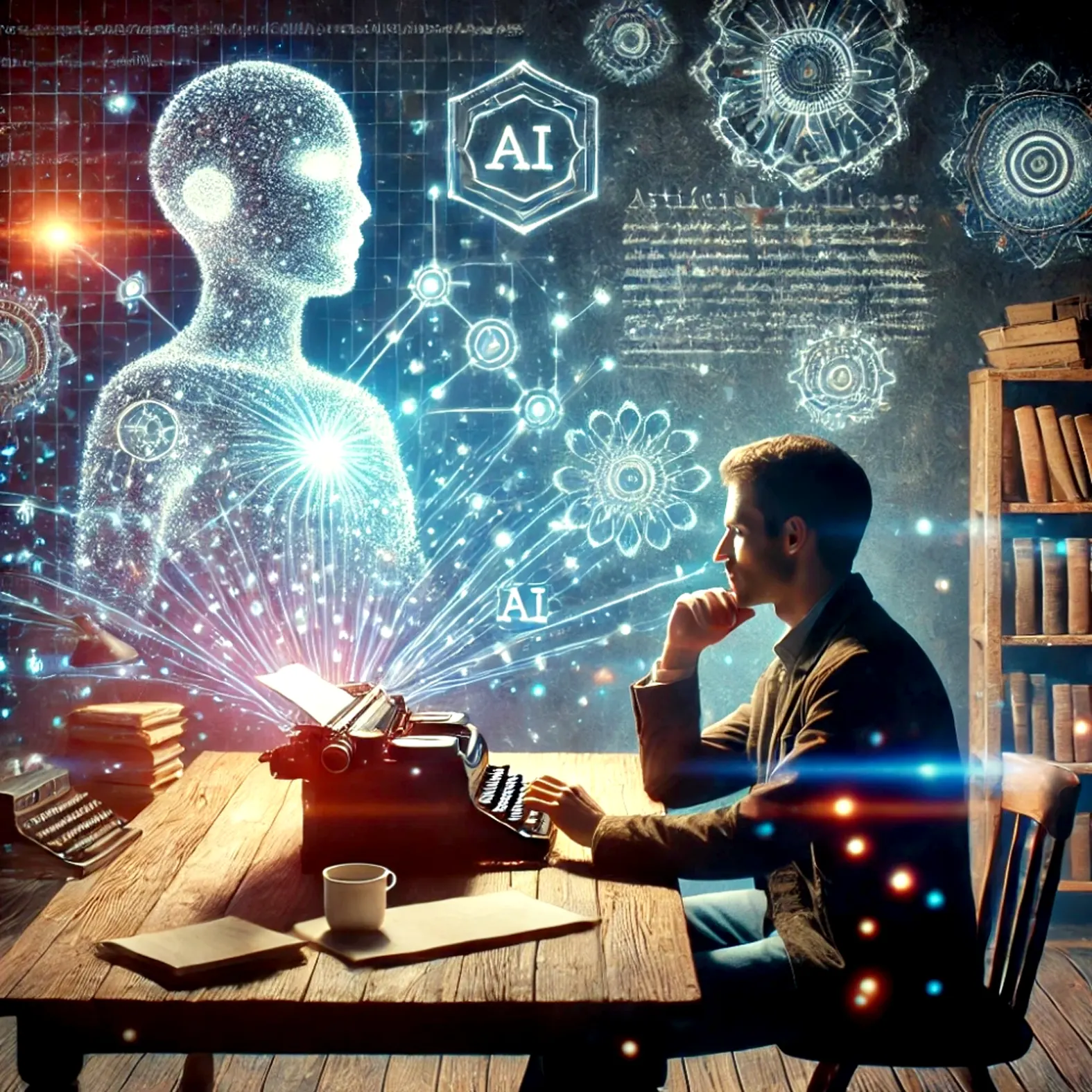
Cairo, Egypt – The literary world is undergoing rapid transformations with the increasing use of artificial intelligence (AI).
These technologies are now capable of writing stories, novels, and poems, producing texts that often closely resemble human writing.
This development has opened a wide door to debate about the boundaries of true creativity, authors’ rights,
and the extent to which readers can distinguish between human work and machine-generated texts.
The debate is no longer limited to the potential use of AI as a tool to assist writers.
It has extended to genuine crises that threaten trust in the publishing industry
and raise questions about the future of literature and the standards for evaluating creative works.
This is particularly evident with the growing reliance on digital tools in content production.
Three key issues stand out, revealing the extent of the challenges facing the literary community in light of this technological transformation:
First: Automated books compete with authors
Artificial intelligence tools are now capable of producing entire books in short periods of time.
This includes everything from generating ideas and writing chapters to creating titles and summaries.
This has opened the door to the publication of an increasing number of books
that rely heavily on machine-generated content.
This development has raised concerns among authors and publishers about the potential
for the market to be flooded with works lacking originality and human experience.
Furthermore, it is difficult to verify the extent of human contribution to the writing of some publications.
Therefore, this puts the credibility of publishing and quality standards to a real test.
Second: Plagiarism of writing styles and threatening the author’s identity
One of the most prominent crises that has sparked controversy is the ability of
some artificial intelligence tools to mimic the styles of well-known writers and authors.
These tools can also produce texts that resemble their works in terms of language, expression, and character development.
This capability raises legal and ethical questions regarding intellectual property rights
and the limits of using published literary works to train artificial intelligence models.
This is especially evident when these technologies are used to produce texts
that mimic the identity of a specific writer without their consent.
Furthermore, some writers fear that the spread of these practices will weaken the distinctiveness of literary style.
This is because it could transform the unique creative signature of each writer into mere patterns that can be imitated by algorithms.

Third: The crisis of confidence in literary competitions and evaluation
Concerns have extended to literary competitions and cultural awards,
as it becomes increasingly difficult to verify that submitted works truly reflect the authors’ efforts.
Doubts may arise about whether these works are a direct product of artificial intelligence tools.
Judging panels and publishers face a new challenge: establishing clear standards for disclosing the use of these technologies and distinguishing
between their use in proofreading or research and their complete reliance on them in the production of a literary work.
This issue is particularly critical when it comes to awards that recognize individual talent and innovation.
The absence of clear rules could open the door to questioning the integrity of the competition and the value of the winning works.
Human creativity versus technology
Despite these challenges, many believe that artificial intelligence can be a valuable tool for writers if used responsibly.
It can be beneficial for research, information gathering, text revision, and idea development,
without replacing the human experience that forms the core of literary creation.
Writing is not merely arranging words and crafting sentences; it is intrinsically linked to personal experiences,
emotions, memory, and an awareness of social and human realities.
These elements give a literary work its depth and its power to resonate with the reader.
The current crisis reveals that the literary world is no longer simply facing a new technological development,
but rather a stage that demands a re-examination of the concepts of authorship, originality, and intellectual property.
Thus, it becomes essential to establish rules that guarantee the protection of creators’ rights and maintain trust in the publishing industry.
The greatest challenge remains striking a balance between harnessing the potential of artificial intelligence and preserving the value of human creativity.
Care must be taken to ensure that technology does not transform from a tool for developing literature into a factor
that blurs the distinction between the true artist and the machine that merely mimics words.



