Original Coverage & Source Attribution: www.cbr.com
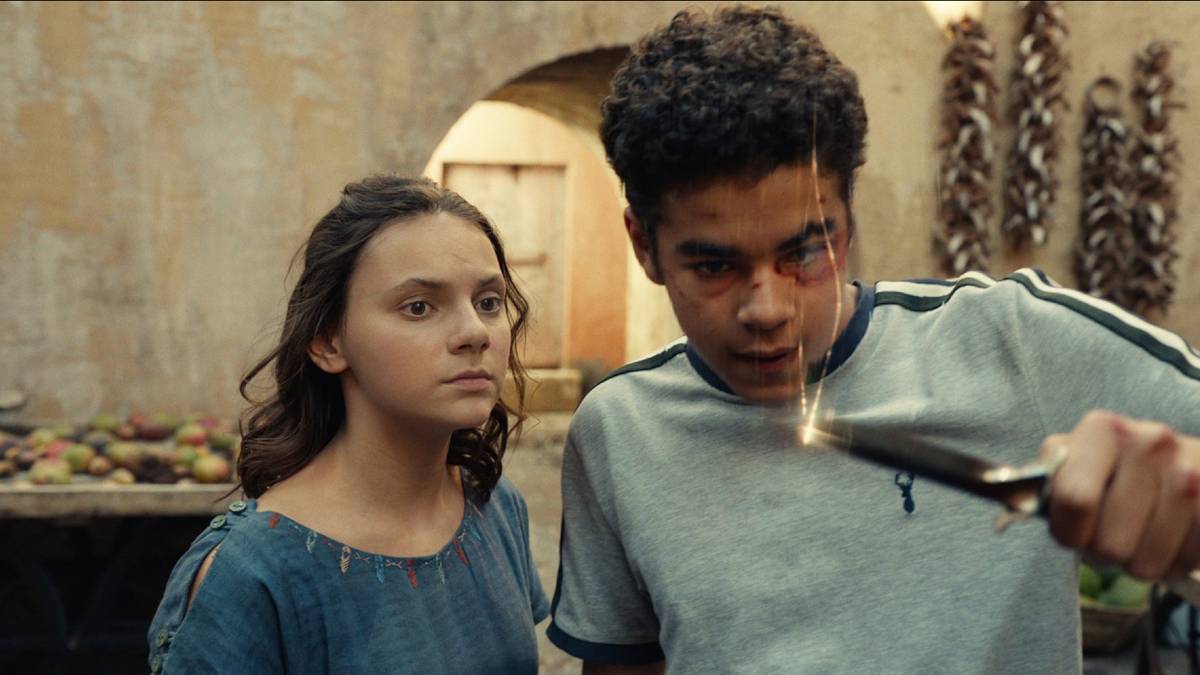
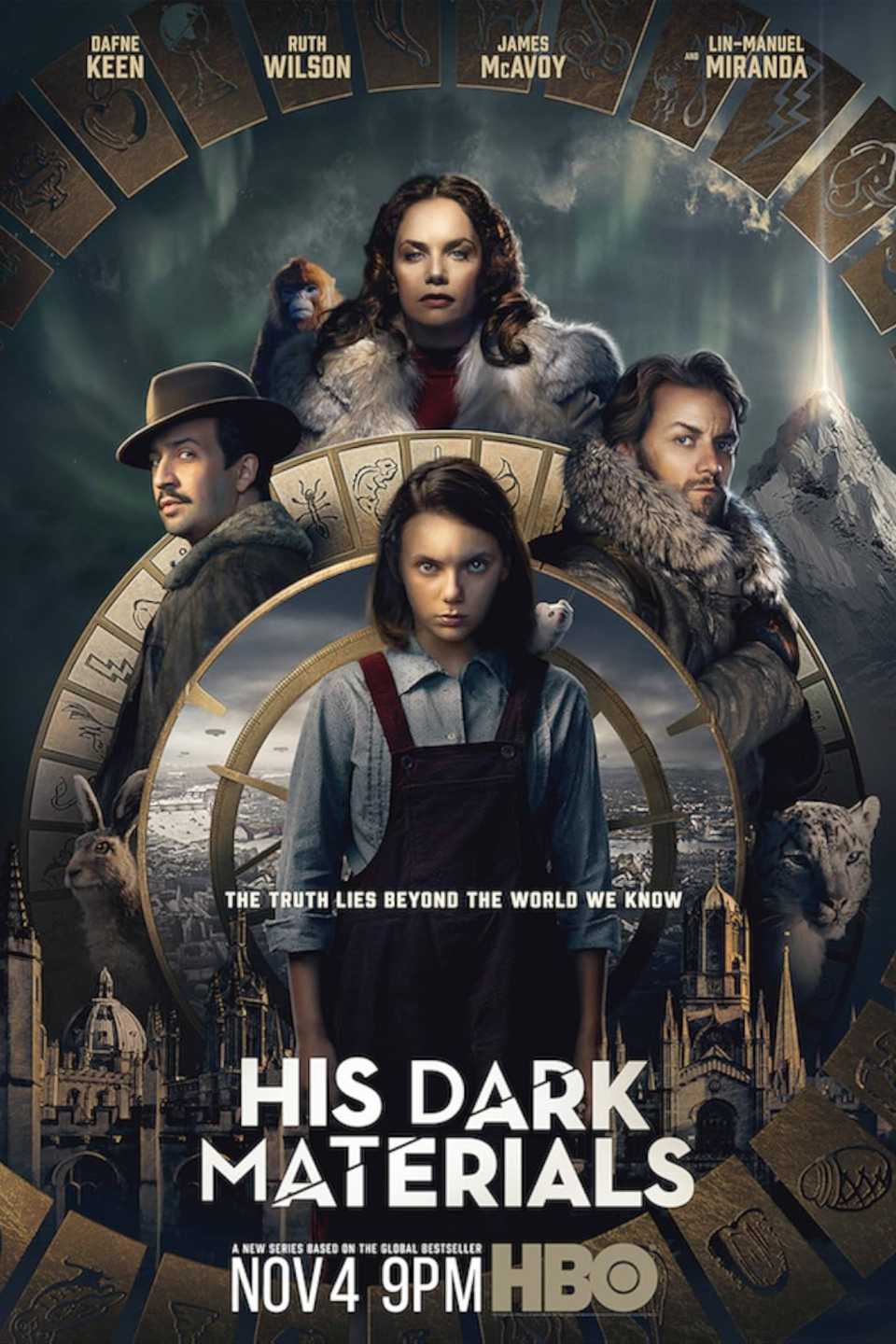
His Dark Materials might seem like a typical HBO prestige fantasy series. Yet from its opening moments, the show quietly hints at something sharper, stranger, and more subversive beneath the surface. Based on Philip Pullman’s somewhat controversial trilogy, HBO’s His Dark Materials is an anti-Narnia fantasy that challenges the comforting myths of innocence, destiny, and divine authority.
It’s a stealth masterpiece that grows more radical the deeper viewers get into it. Rather than focusing on spectacle or nostalgia, His Dark Materials is a more restrained work. It encourages viewers to question institutions that claim moral infallibility and to embrace ambiguity instead of the story’s moral lessons.
His Dark Materials Is an Anti-Narnia World Built on Doubt
His Dark Materials philosophically announces its revolt by flipping the moral framework that is typical of classic fantasy. While The Chronicles of Narnia depicts a moral cosmic order ruled by an omniscient figure, Pullman’s world and the HBO adaptation are skeptical of power.
Authorities are not the ones who lead; they are the ones who dominate. This change is best reflected by the Magisterium, that is, a combination of the fashion of a powerful medieval church and that of a contemporary dictatorial regime. The Magisterium is extending its authority under the guise of being the moral guardians, especially of the children.
It does not give a direct picture of the villainy, but it is very much present through the polite menace and the bureaucratic calm, which makes the cruelty all the more disconcerting. The evil in this case is the outcome of the procedures, which the doctrine sanitizes and uses as an excuse.
Lyra Belacqua Rewrites the Chosen Child
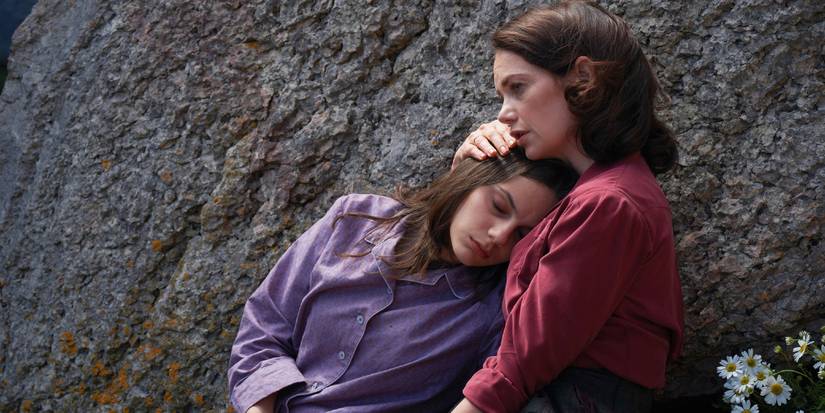

Lyra Belacqua breaks down the “chosen one” trope. Initially, she lies without a second thought, breaks the rules, and disobeys authority, without giving a reason for her actions, simply because it was her nature.
She is not a fantasy hero who is, by prophecy, destined to become great. An alethiometer, a device for revealing truth, is not a tool that works for her “good,” as it often does in stories, but simply because she listens in a completely different way.
Lyra obtains the signs from her intuition rather than from instruction, suggesting an understanding that comes from openness rather than power. This represents intelligence as a relational model rather than a hierarchy. The trilogy concludes this idea of transformation by not making Lyra the only character to rescue.
His Dark Material Is an Easy-to-Binge Stealth Masterpiece

HBO has a very purposeful rhythm in the series, which makes it really simple to follow, and the episodes are not too long. The viewers often end the series with new, silent comprehension and insights that alter how they interpret previous events.
The production designer has been very successful in making this series very accessible. Every world feels authentic, allowing people to immerse themselves in the story without extensive explanation. The use of technology in delivering the storyline is minimal, allowing the audience to focus on the emotional side.
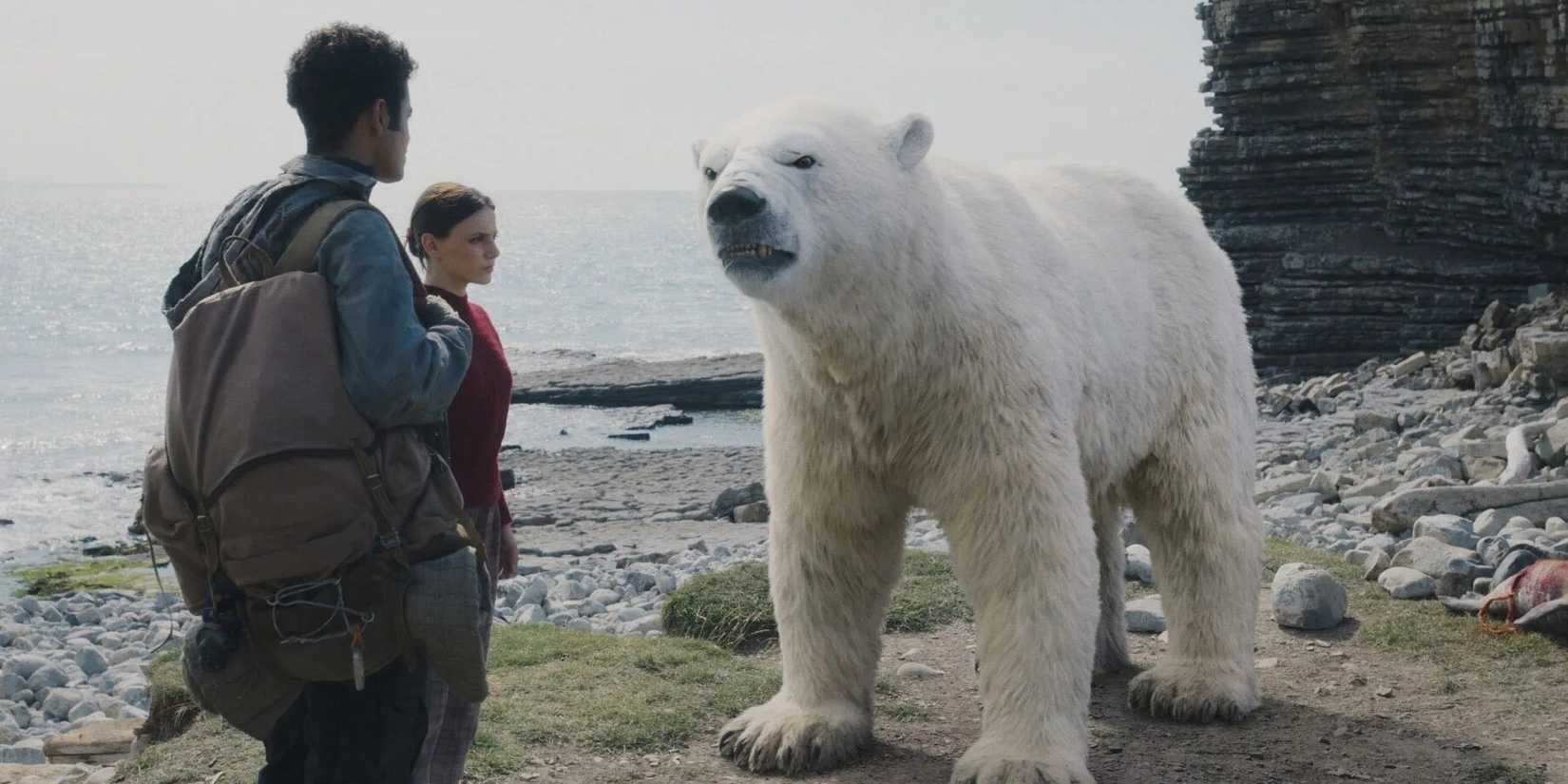
As a result, the most emphasized conflict is the political situation with the oppressed Panserbjørns, who are gaining power and fighting for their freedom. Most importantly, the adaptation does not lose hope in its audience. It does not sugarcoat Pullman’s ideas or ease their effects.
Not only has the series successfully adapted the popular book trilogy, but it has also used the language of fantasy to question the moral stance the genre usually takes. His Dark Materials, HBO’s anti-Narnia fantasy, works well because it still holds wonder even when it goes against the genre.
The show treats wonder as the most important thing and certainty as the most doubtful in the literary present of its storytelling. Therefore, it is a show that people can hardly resist.

- Release Date
-
2019 – 2022-00-00
- Network
-
BBC One
- Directors
-
William McGregor, Amit Gupta, Leanne Welham, Charles Martin, Otto Bathurst, Euros Lyn, Dawn Shadforth, Harry Wootliff, Jamie Childs
- Writers
-
Jack Thorne, Francesca Gardiner, Amelia Spencer, Sarah Quintrell
-
Dafne Keen
Lyra Silvertongue
-