

Original Coverage & Source Attribution: www.latintimes.com
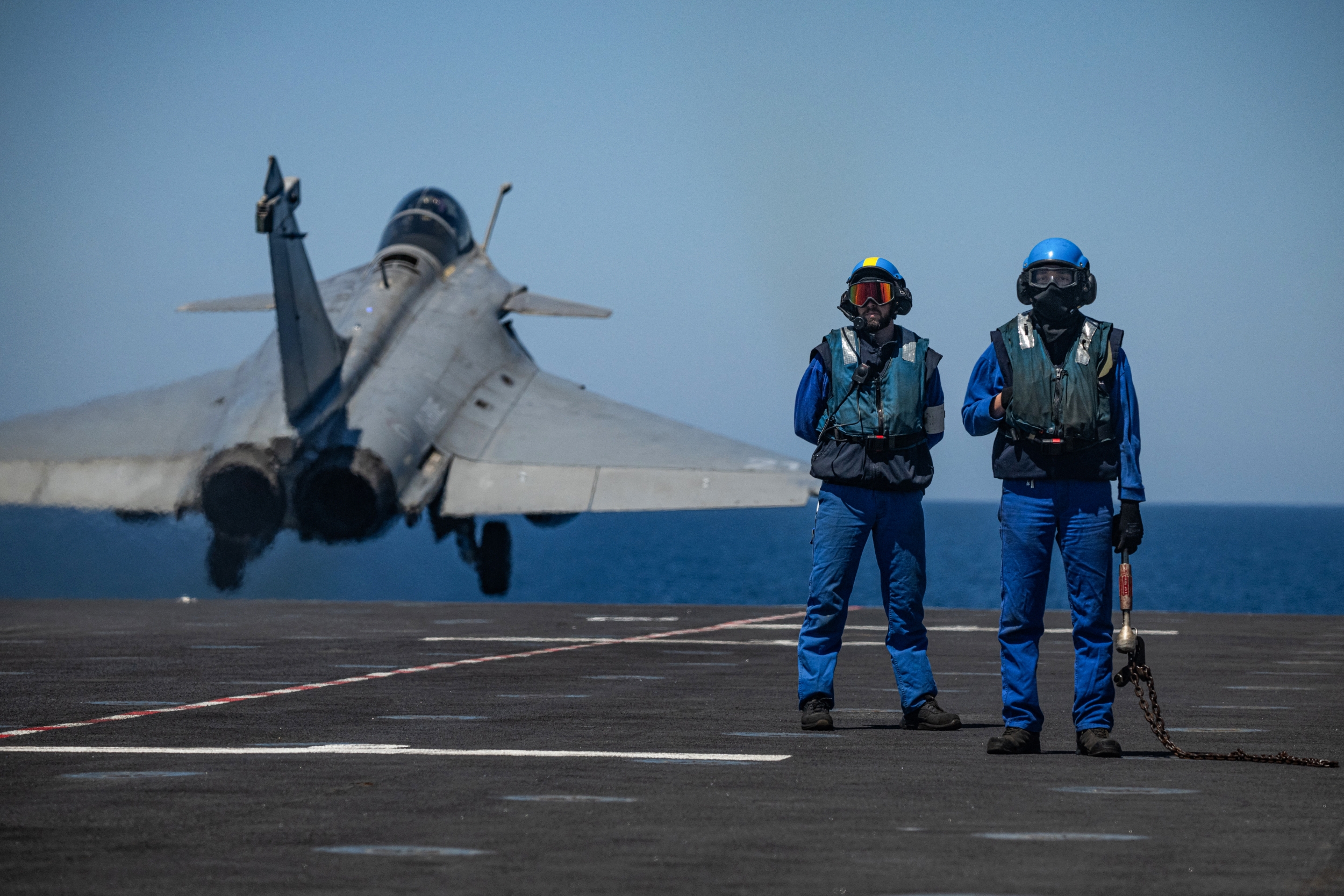
Photo by Angelos TZORTZINIS / AFP via Getty Images
The Briefing
- An unidentified drone crossed into Latvian airspace near the Russian border early Friday, November 27, activating NATO’s Baltic Air Policing mission and triggering a national air alert in Ludza municipality.
- Latvia’s military launched an interceptor drone and alliance fighter jets were scrambled; the Ludza alert was lifted by 2:55 a.m., followed by a lower yellow-level warning for the neighboring Balvi municipality.
- The breach is the latest in an escalating pattern that includes the first-ever NATO drone shoot-down over Latvian territory on June 8 and a coalition government collapse in May — both driven by the same drone crisis.
A Predawn Scramble Over Eastern Latvia
NATO fighter jets and a national interceptor drone were deployed in the early hours of Friday, November 27, after an unidentified unmanned aerial vehicle crossed into Latvian sovereign airspace near the eastern border with Russia. Latvia’s National Armed Forces confirmed that the drone was detected approaching the state boundary in Ludza municipality — a southeastern district in the Latgale region that borders Russia — before it briefly traversed national territory and exited. No confirmation was issued that the intruding UAV had been destroyed before it left.
The response was rapid and coordinated. NATO’s Baltic Air Policing fighters were ordered aloft under the alliance’s standing quick-reaction procedures, while Latvian forces deployed their own interceptor drone as part of a layered defensive response. Allied fighter detachments currently rotate through regional bases in Lithuania and Estonia — including Italian and Turkish jets — to maintain round-the-clock quick-reaction alert across Baltic airspace.
Alerts Lifted — Then Issued Again
By 2:55 a.m. local time, the Ludza air alert was officially terminated. A lower yellow-level warning was then issued for the adjacent municipality of Balvi — a town that has appeared in multiple prior incidents — though it did not escalate further. Latvia’s military emphasized that the response unfolded in full alignment with NATO partners, which have reinforced their eastern-flank presence with additional aerial surveillance and air defense assets throughout 2026.
The Latvian Armed Forces attributed the event directly to Russia’s continuing war against Ukraine, warning that comparable violations are likely to recur for as long as the conflict continues.
A Year of Relentless Incursions
Friday’s breach sits within a much broader pattern. Latvia — sharing frontiers with both Russia and Belarus — has experienced a dramatic surge in drone-related incidents in 2026, making it among the most directly exposed NATO members to the spillover of the Ukraine war. While such violations were once rare for the three Baltic states, the frequency has climbed steeply this year. The Ludza municipality and neighboring Balvi have become recurring flashpoints, with air alerts, interceptor drone launches, and NATO scrambles now a near-regular occurrence in the Latgale region.
Earlier in November, Latvia’s military confirmed a separate drone incursion in the Ludza area, prompting similar defensive activations. Military commanders have consistently linked such events to Ukrainian drone operations against Russian logistics targets, with the UAVs believed to be knocked off course by Russian electronic warfare interference operating from across the border.
NATO’s Rotating Sentinels in the Baltic
The Baltic Air Policing mission has operated without interruption since Estonia, Latvia, and Lithuania joined NATO in 2004. Alliance members rotate through four-month deployments to two air bases — Šiauliai in northern Lithuania and Ämari in Estonia — from where they respond to threats under orders from the Combined Air Operations Centre in Uedem, Germany. The mission received major reinforcements after Russia’s annexation of Crimea in 2014 and has been on elevated readiness since the full-scale invasion of Ukraine in 2022.
The alliance’s posture turned measurably more assertive in 2026. On June 8, a French Air and Space Force Rafale — scrambled from Šiauliai as part of the NATO Baltic mission — intercepted and destroyed a drone near the village of Bērzgale in eastern Latvia, approximately 30 kilometers from the Russian border. It was the first confirmed shoot-down of a drone over Latvian territory by NATO forces, marking a historic shift in how the alliance is responding to the growing UAV threat along its eastern flank.
Drones Brought Down a Government
The political consequences inside Latvia have been equally seismic. When Ukrainian drones — suspected to have been redirected by Russian jamming — struck empty oil storage tanks near Rēzekne on May 7, the governing coalition fractured. Prime Minister Evika Siliņa dismissed Defense Minister Andris Sprūds over what she described as an inadequate military response. That move cost her the support of his party, and Siliņa herself resigned on May 14.
Latvia’s parliament then confirmed a new government on May 28, led by Andris Kulbergs of the centrist United List party — previously in opposition — who was nominated by President Edgars Rinkēvičs to steer the country through the security crisis ahead of parliamentary elections already scheduled for October 3. Kulbergs took office with a declared priority: hardening Latvia’s airspace security before voters headed to the polls.
Pushing NATO Toward Real Air Defense
Latvia has pressed the alliance to transform its air policing operation into a genuine Baltic air defense mission, with binding rules of engagement that would allow faster and more decisive engagement of incoming threats. The push for upgraded protocols has grown louder with each new incident, as a mission originally designed to monitor and escort increasingly finds itself responding to live incursions.
For Latvia and its Baltic neighbors, the predawn hours of November 27 were a reminder that the front lines of Europe’s largest land war no longer stop at Ukraine’s borders. Alliance jets stand ready to scramble at a moment’s notice — and nights like Friday’s have become an unsettling feature of life along NATO’s most watched, and most tested, frontier.



