

Original Coverage & Source Attribution: www.alligator.org
Chris Brown has faced numerous criminal charges, arrests, lawsuits and allegations over the course of his career.
Most recently, the American singer faced sentencing for a 2023 attack at a London nightclub. The incident, which took place at Southwark Crown Court, left music producer Abe Diaw in the hospital for his injuries after Brown struck him repeatedly with a glass bottle.
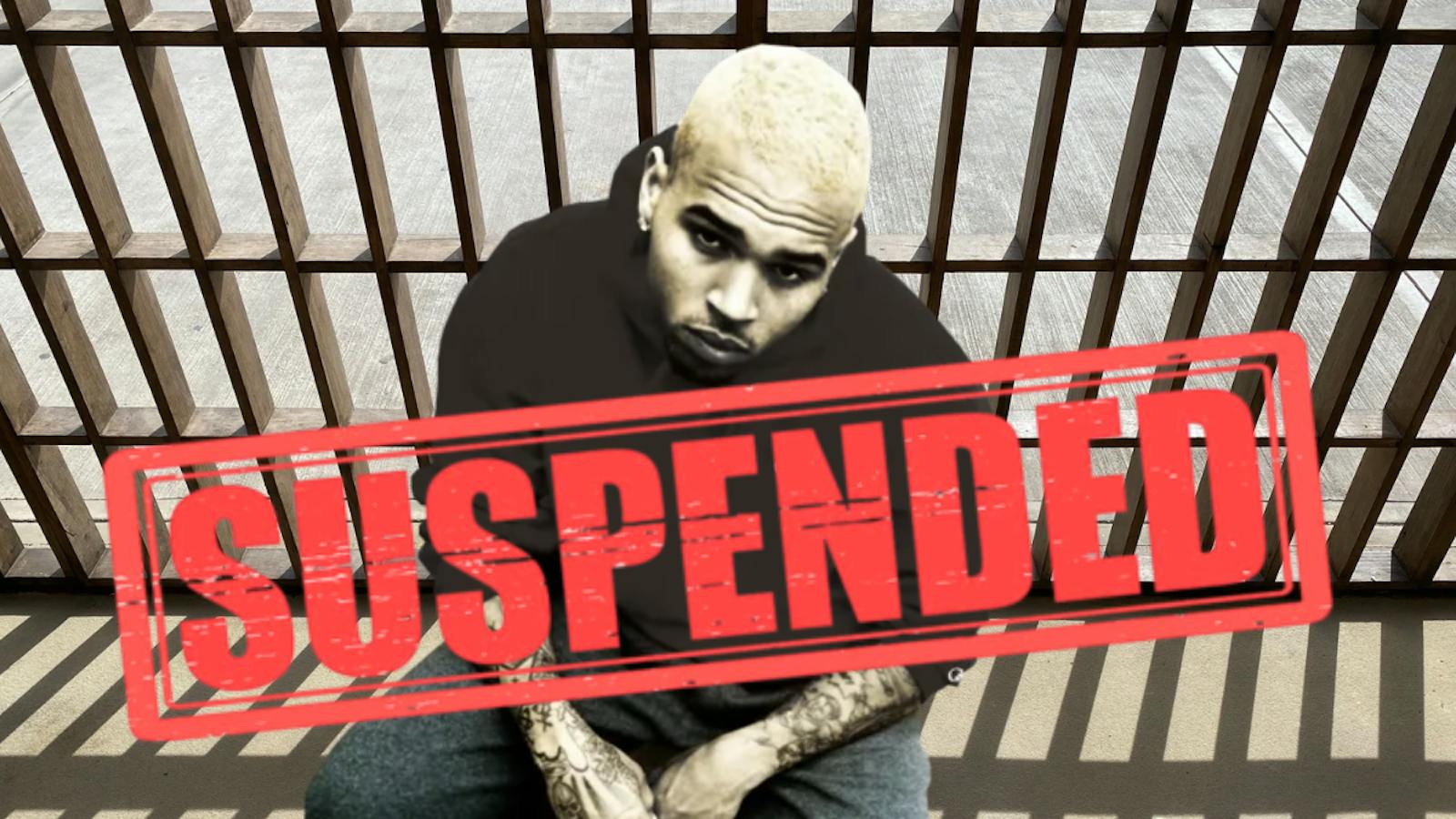
On Oct. 26, Judge Tony Baumgartner sentenced Brown to a suspended prison sentence of 12 months, allowing him to avoid incarceration as long as he doesn’t commit another crime or violate the condition of his sentence. He was also ordered to pay £1,500 in court costs.
Despite the attack’s severity, Baumgartner ruled Brown didn’t qualify for an immediate prison sentence because of his guilty plea and mitigating circumstances, including his stable employment and charity work. While the judge referenced his previous convictions involving violence, he excused them for Brown’s clean record since 2013.
Brown’s history with law enforcement dates back to 2009, when an argument with then-girlfriend and singer Rihanna escalated into physical violence just hours before both were set to perform at the Grammys. Rihanna was hospitalized with visible facial injuries, and Brown was charged with felony assault. He avoided prison, accepting a plea deal that included community labor, five years of probation and domestic violence counseling.
Further charges and legal troubles followed, including felony assault after an altercation in Washington D.C. and his dismissal from a court-ordered rehabilitation facility. Beyond these criminal cases, the exact number of assault allegations Brown has received remains unclear due to charges being settled outside of court or dropped.
Despite his history, Brown has remained a prominent figure in the music industry. Since he was convicted of assaulting Rihanna, he’s won two Grammys for best R&B album. He’s currently touring with Usher on “The R&B Tour,” which grossed close to $102 million across its first 13 concerts, all of which sold out.
Brown’s continued success raises questions about the role money and public support play in allowing celebrities to maintain their career despite their actions. He has repeatedly been represented by high-profile attorney Mark Geragos, who has also represented Michael Jackson and the Menendez brothers. While access to experienced legal representation isn’t exclusive to celebrities, wealth and resources can provide advantages many people facing criminal charges can’t afford.
However, legal representation is only part of a bigger issue. Brown’s controversies haven’t been enough to deter his fanbase, with fans even gathering outside the courtroom to show their support during his sentencing hearing for his London attack.
Fans help sustain an artist’s career by continuing to stream music and purchase tickets. If fans withdraw their support, artists lose an important source of income and influence and fellow professionals have less financial incentive to work with them.
Fans too easily separate the music from the artist’s personal behavior. Some may say music should be appreciated independently of an artist’s behavior, but continuing to support their work contributes to their influence and indirectly supports their actions.
If an artist repeatedly demonstrates harmful behavior, fans should reconsider whether they want to continue to contribute to that person’s success. You likely wouldn’t maintain a friendship with someone who repeatedly treats others this way, so why continue supporting an artist who does the same?
Enjoy what you’re reading? Get content from The Alligator delivered to your inbox
Brown’s first assault against Rihanna was inexcusable. All subsequent incidents throughout his career only reinforced concerns about his behavior. While he may have avoided legal trouble in recent years, that doesn’t erase past actions or exempt him from public criticism. I wouldn’t choose to support someone with this history, and I think others need to reconsider whether they want to, either.
Stop streaming their albums. Reconsider concert ticket purchases.
Public criticism matters, and so does the decision to withdraw financial support.
Holding artists accountable doesn’t mean they can never move forward from their past — it means recognizing their actions have consequences. Celebrities have a responsibility to their audiences, but fans also have a responsibility to choose who to support.
Contact Kaitlyn Ocuto at kocuto@alligator.org. Follow her on X @KaitlynOcuto.
The Independent Florida Alligator has been independent of the university since 1971, your donation today could help #SaveStudentNewsrooms. Please consider giving today.
Kaitlyn Ocuto
Kaitlyn Ocuto is a sophmore biomedical engineering major in her first semester at The Alligator. In her free time, she enjoys running, hanging out with friends and reading.



