

Original Coverage & Source Attribution: nilepost.co.ug
As brands increasingly turn to social media personalities to reach consumers, the question is shifting from who has the biggest following to who can deliver real value. Next Media is positioning itself to be part of that conversation.
A few years ago, influencer marketing in Uganda was largely associated with celebrities, musicians and popular television personalities being paid to promote products on their social media pages. A brand wanted visibility, identified someone with a large following, agreed on a fee and waited for the post to do its job.
That approach has not disappeared, but the industry is changing.
Today, a smartphone, a good idea and a growing online community can turn an ordinary Ugandan into a recognisable digital personality. From comedy skits and lifestyle videos to sports commentary, food reviews and social conversations, content creators are building audiences that brands increasingly want to reach.
Consider personalities such as Micky Seems 2funny, whose relatable comedy and social commentary have helped him build a significant TikTok following, or Zubedda Byantalo, who has developed a recognisable digital identity through entertainment and lifestyle content. These are examples of how Ugandans are building audiences around their personalities, interests and everyday experiences.
For businesses, these audiences represent an increasingly important marketing opportunity.
The numbers tell part of the story
Uganda’s digital landscape provides a useful indication of why brands are paying attention.
According to the Uganda Communications Commission’s third-quarter 2025 communications report, TikTok had approximately 9.3 million subscribers in Uganda, YouTube had 6.3 million, while X had approximately 700,000 subscribers as of September 2025.
These figures are platform subscriber estimates and should not be confused with unique active users. Nevertheless, they demonstrate the scale of the digital platforms on which creators and influencers are building their audiences.
The growth is also changing how businesses approach advertising. Instead of relying exclusively on traditional media placements, brands are increasingly exploring partnerships with people who already have established relationships with their target audiences.
A telecommunications company, for example, may work with a technology creator to demonstrate a new product, while a beverage brand might collaborate with lifestyle personalities to create content around an event or consumer experience.
The opportunity is not limited to the biggest names. Sometimes a creator with a smaller but highly engaged audience can offer a brand a more direct connection to a particular community.
From popularity to measurable business value
The growing interest in influencer marketing has also brought an important conversation to the industry: how do brands measure the value of the money they spend?
Having thousands of followers does not automatically translate into sales, engagement or meaningful brand awareness.
This is one of the reasons the industry is beginning to move towards more structured campaigns, with clear objectives, audience selection, content strategies and performance reporting.
There are already examples of this shift within Uganda.
In a June 2026 report, Disrupt Africa highlighted a SafeBoda campaign for its SafeCar product that involved eight creators through Ugandan influencer marketing platform Burst Creators. The campaign reportedly generated more than three million views against an initial target of approximately 60,000 views.
It is an interesting example of how influencer campaigns can be structured around performance rather than simply paying for the publication of content.
For brands, the conversation is becoming less about how many influencers can be recruited and more about whether the right people are being selected to deliver the intended results.
Where Next Media comes in
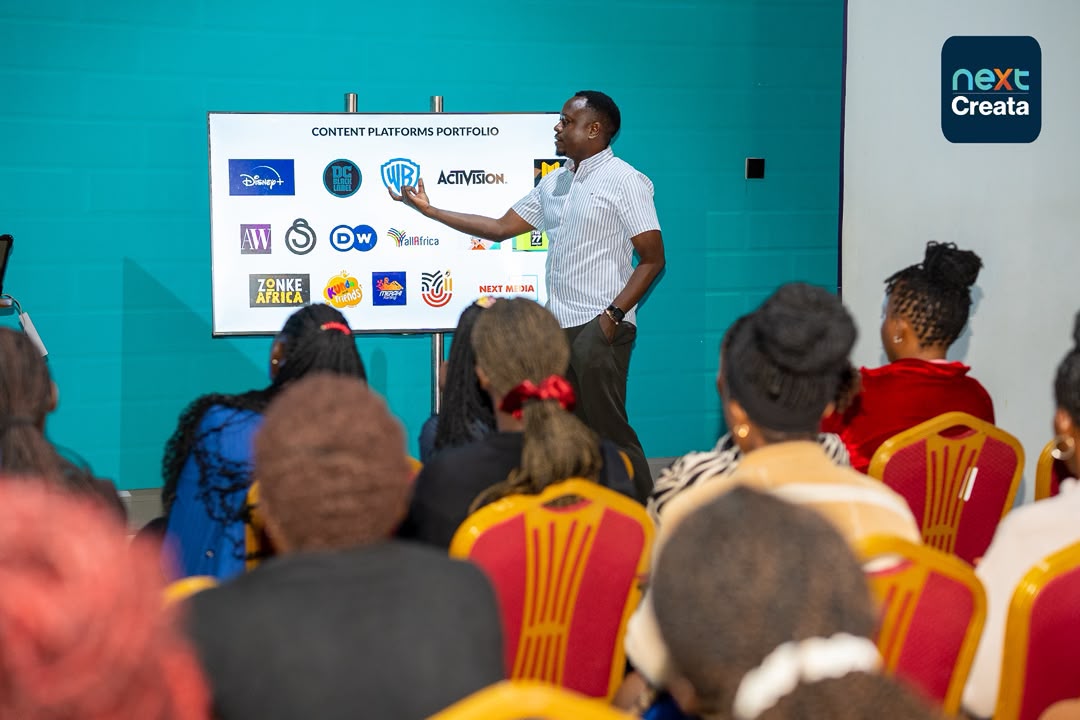
It is against this changing background that Next Media is developing its Next Creator and Next Influencer initiatives under Next Creata.
The thinking is simple: Uganda has a growing pool of creative talent and people with influence, but there is an opportunity to build stronger connections between that talent and the businesses that need it.
Through Next Influencer, the focus is on helping brands identify suitable influencers, understand their audiences, develop campaign strategies and execute influencer-led campaigns.
Rather than approaching influencer marketing as a collection of individual social media posts, the idea is to provide brands with a more organised approach to planning, selecting talent, managing campaigns and measuring performance.
For example, a brand preparing to launch a new product could work with Next Influencer to identify the right personalities, develop a campaign around the product, coordinate content across relevant platforms and connect the campaign to consumer action, including visits to points of sale.
Next Creator complements this by focusing on the creative talent and skills needed to participate in the wider media and content production industry.
Together, the initiatives present an opportunity to connect the development of creative talent with the commercial opportunities available in the market.
The opportunity goes beyond social media
There is another side to this conversation that deserves attention: employment and income generation.
For many young Ugandans, content creation has become an alternative way to develop professional skills, establish businesses and earn an income.
But building an audience is only one part of the journey. Access to professional opportunities, equipment, training, reliable brand partnerships and a sustainable business model remains important.
This is where a more organised creator ecosystem can make a difference.
Brands need reliable creative partners. Creators need opportunities to earn from their work. Audiences want content that feels relevant and authentic. Connecting these interests requires more than simply introducing an influencer to a marketing manager.
It requires strategy, coordination, professional standards and a clear understanding of what each campaign is expected to achieve.
For Next Media, the opportunity is to build a business around these connections while contributing to the development of Uganda’s creative industry.
What comes next?
Influencer marketing in Uganda still has room to mature. Questions around pricing, transparency, audience quality, content ownership and campaign measurement will continue to shape the industry.
However, one thing is becoming increasingly clear: influence is becoming a commercial asset.
The next phase will not necessarily belong to the people with the largest followings, but to those who can build genuine communities, create relevant content and deliver value to the brands they work with.
For Uganda’s creators, this presents an opportunity to move beyond posting for visibility and begin building sustainable careers.
For brands, it offers another way to connect with consumers.
And for companies such as Next Media, it presents an opportunity to help shape how that relationship develops.



