

Original Coverage & Source Attribution: www.theguardian.com
UK inflation climbed by more than expected in September to 3.5% after a surge in prices from the conflict in the Middle East that has pushed up the cost of diesel to record levels.
In a blow to John Healey before his first budget as chancellor in a week’s time, the Office for National Statistics said annual inflation rose from 3.1% in August. Economists had forecast an increase in the consumer prices index to 3.4%.
Oil and gas prices have soared since the end of February, when the US and Israel launched their war on Iran.
The practical closure of the strait of Hormuz to most fossil fuel traffic since then has sent the price of Brent crude well north of $100 a barrel and it is currently hovering at about the $110 mark.
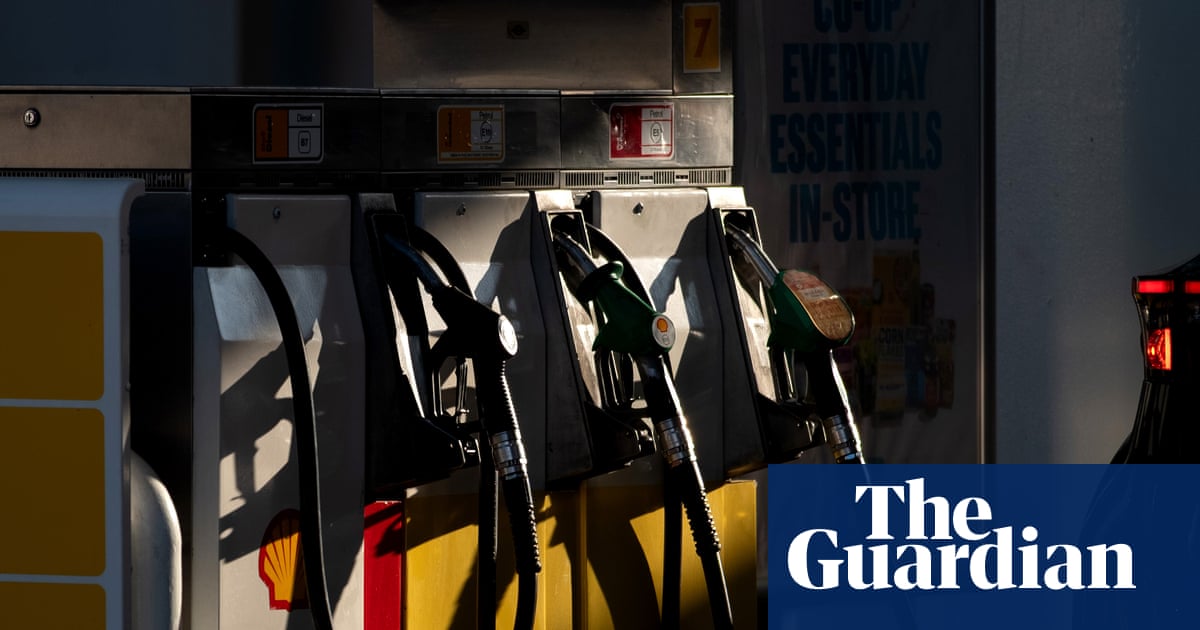
Petrol prices have leapt above £1.70, while the cost of a litre of diesel has continued to rise, hitting a record high of more than £2 a litre this month before easing slightly back.
The ONS said a rise in the cost of petrol and diesel was the single largest factor pushing up inflation in September.
The average price of petrol rose by 8.2p a litre between August and September 2026, compared with a fall of 0.2p in the same period last year. Diesel, which is often refined in the Middle East, rose by 10.7p a litre in September 2026, compared with a fall of 0.4p a litre in September 2025.
Air fares, which are heavily affected by the price of fuel, dropped in September by much less than usual after the traditional summer peak.
In better news for the chancellor, the cost of clothing fell slightly and food prices growth remained steady at 1.3% as competition among supermarkets offset increases in transport costs.
Bank of England officials are widely forecast to raise interest rates when they meet next month amid concerns that inflation will jump above 4% next year – more than double their 2% target rate – as the price of a wider range of goods increases in response to higher oil and gas prices, including commercial transport and domestic heating.
Charlotte O’Leary, an economist at the National Institute of Economic and Social Research, said the recent run of three months of rising annual inflation was likely to continue through the winter, even if there is some resolution to the conflict in the Middle East.
“Higher fuel and transport costs will likely push up food prices, and January’s large price cap increase will land as household energy demand peaks. Given this, inflation could reach 4%, double the Bank’s target, by early 2027.”
Free newsletter |Every weekday
Sign up to Business Today
Get set for the working day – we’ll point you to all the business news and analysis you need every morning
after newsletter promotion
Healey will want to use next week’s budget to relieve the pressure on struggling households, but with gilt yields [effectively the interest rate on government debt] at multidecade highs, rising borrowing costs limit his room to manoeuvre.”
Healey blamed the inflation rise on the war in the Gulf: “We know that price rises from conflicts in the Middle East and Europe are hitting Britain and countries worldwide,” he said, adding that his budget would “drive for growth in every postcode” to improve living standards.
Martin Beck, the chief economist at the consultancy WPA, said the higher than expected inflation rate meant it was almost inevitable that the Bank of England would raise interest rates when they meet on 5 November, but he cautioned against persistent rises in the cost of borrowing.
“Raising interest rates cannot produce more oil or gas, and further tightening risks weakening an already fragile economy.
“An increase now looks increasingly likely, but investors pricing in four hikes over the coming year risk underestimating how quickly an improvement in the international climate could change the inflation outlook.”



