

Original Coverage & Source Attribution: africa.businessinsider.com
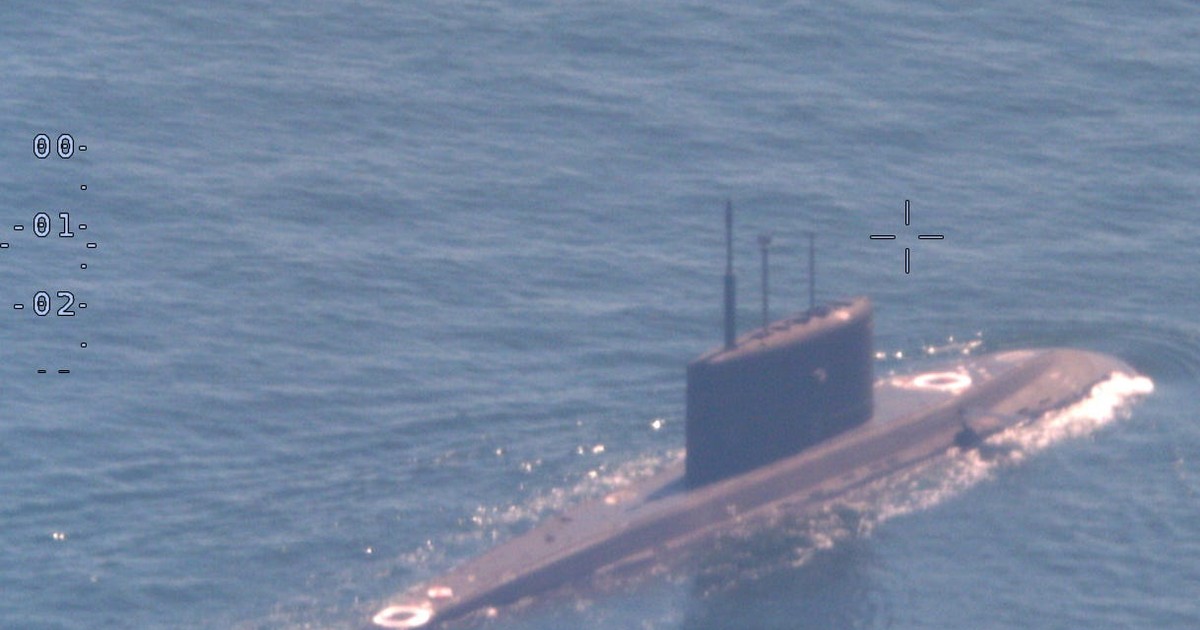
The move follows growing concerns over Russian naval activity near undersea cables, pipelines and shipping routes linking Europe, North America and Africa, after US, British and Norwegian forces reportedly disrupted a suspected Russian operation.
According to the Financial Times, 10 NATO members—Britain, Denmark, Estonia, Finland, Iceland, Latvia, Lithuania, the Netherlands, Norway and Sweden—will strengthen naval, air and ground operations through the UK-led Joint Expeditionary Force (JEF) to monitor Russian submarine movements.
Member states are expected to formalise the arrangement on November 10 aboard the British aircraft carrier HMS Prince of Wales, expanding their existing military cooperation rather than forming a new alliance.
Britain warns of Russian submarine spying and sabotage risks
Britain’s latest move follows an operation in April 2026, when its military tracked three Russian submarines near critical undersea cables and pipelines in the North Atlantic.
The vessels included an Akula-class attack submarine and two specialised submarines belonging to Russia’s Main Directorate of Deep-Sea Research, known as GUGI.
British Defence Secretary John Healey said Royal Navy warships and RAF surveillance aircraft monitored the submarines for more than a month, warning that the specialised vessels could survey underwater infrastructure and potentially sabotage it during a conflict.
Addressing Russian President Vladimir Putin, Healey said: “We see you, we see your activity over our cables and pipelines.”
A Reuters investigation published in September revealed that Britain, Norway and the United States had also confronted Russian deep-sea vessels near Norway’s Svalbard archipelago.
Two Western officials told reporters that the Russian vessels were testing technology designed to disable undersea communication cables without leaving identifiable evidence.
According to the officials, allied forces disrupted the exercise, forcing the Russian vessels to withdraw before completing the operation, although no undersea cables were damaged.
In a more recent interview with the Financial Times, Britain’s Chief of the Defence Staff, Air Chief Marshal Sir Richard Knighton, acknowledged that the UK needed to “catch up with our European allies” in responding to Russia.
Russian submarine activity and Africa’s maritime connections
Beyond Europe, Russian submarine activity has also reached North Africa, with Algeria hosting the vessels on at least three occasions for official naval engagements in the Mediterranean Sea, with no reported links to espionage or sabotage.
However, suspicions over Russian military activities have also reached the Arctic, where melting ice is opening shipping routes along Russian and Canadian waters, even as the US and NATO raise concerns over Moscow’s military presence and China’s interests in the resource-rich region.
Speaking about the wider security threat, Britain’s Chief of the Defence Staff, Air Chief Marshal Sir Richard Knighton, told the Financial Times: “This is the most dangerous period I’ve known in my adult life.”



