

Original Coverage & Source Attribution: houseofsaud.com
Operation Economic Outcast has sanctioned targets across 7 sectors in 9 weeks while Trump holds back strikes until after November 3 midterms.
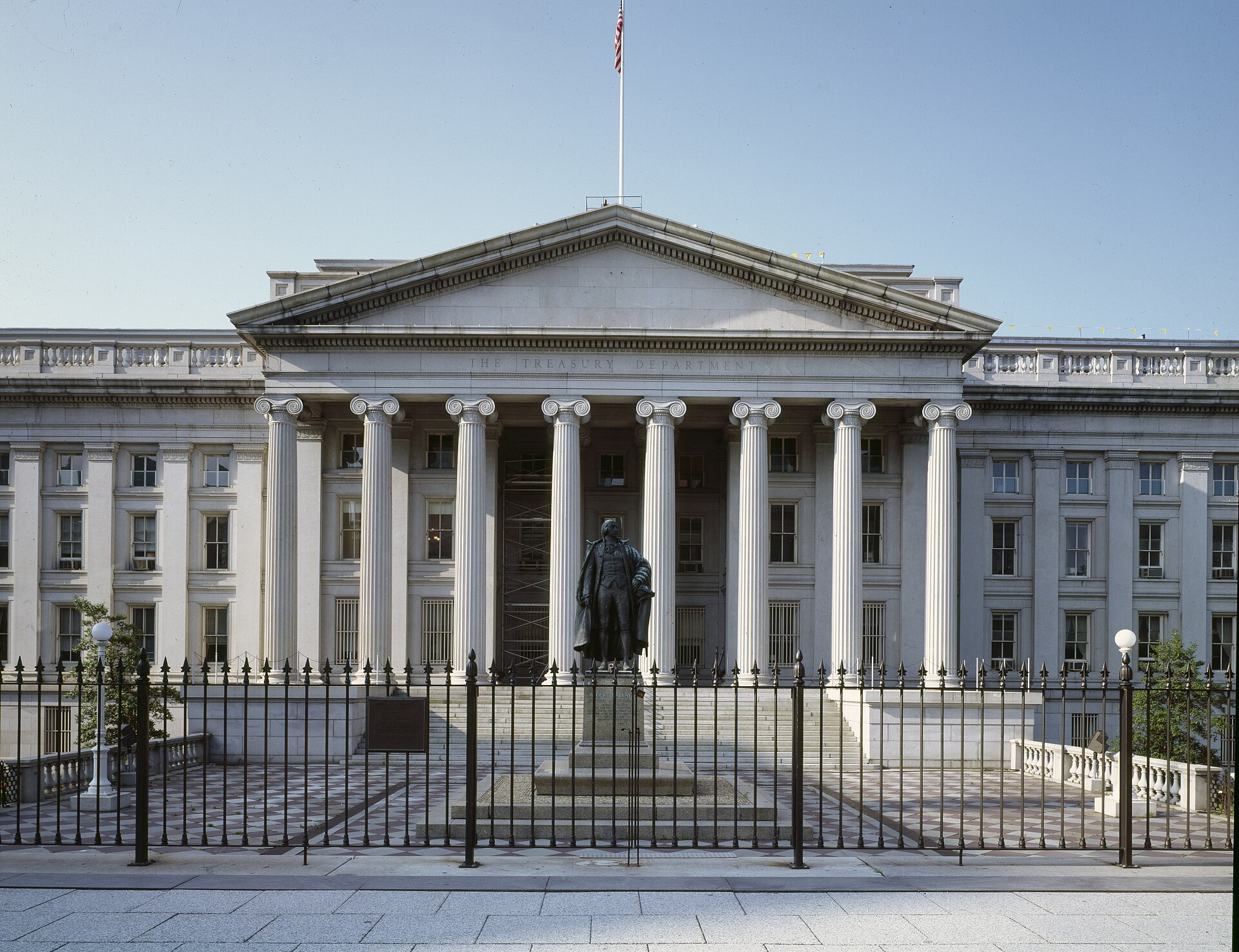
WASHINGTON — Donald Trump chose economics over explosives, and since late August the United States Treasury has been dismantling Iran’s financial infrastructure at a tempo that the first “maximum pressure” campaign never attempted — sanctioning shadow-fleet tankers, grounding airlines, targeting a Greek-registered law firm, and issuing the first Bank Secrecy Act subpoena to a European bank in an Iran-related investigation. The president has openly declared that no American weapon will hit Iranian soil until after the November 3 midterm elections, which means that for now, the Treasury Department is running America’s offensive against Iran.
The campaign, formally named Operation Economic Outcast and launched on August 24 by Treasury Secretary Scott Bessent, has designated targets across seven economic sectors in nine weeks, moving at a cadence of roughly one major action per week and progressively widening from Iranian front companies to the foreign facilitators — lawyers in Athens, shipping agents in Singapore, bankers in Dubai — who make evasion possible. Kpler tracking data cited by Iran International show Iran’s floating crude stockpile has been nearly exhausted since the US naval blockade resumed on July 14, while CENTCOM says the blockade has denied Tehran at least $25 billion in oil revenue — a US military estimate that has not been independently verified.
What Is Operation Economic Outcast?
Trump previewed the campaign on Truth Social on August 19, promising “the MOST CRUSHING ECONOMIC OPERATION EVER TAKEN AGAINST ANY COUNTRY!” and threatening what he called “Economic Warfare and Isolation on an unprecedented scale,” according to Al-Monitor. Five days later, Bessent stood at a podium at Treasury and gave it a name: Operation Economic Outcast, an “economic onslaught” that designated nearly 60 entities, individuals and vessels across five sectors at launch — digital assets, technology, gold, aviation, and shipping. Any entity facilitating money laundering for Iran, he said, faced removal from the US dollar system.
The House of Saud Daily Briefing
Saudi Arabia’s news in 3 minutes, every morning. Free. See today’s issue
✓ You’re in. Your first briefing arrives tomorrow morning.
“The clock just started ticking.”
Scott Bessent, US Treasury Secretary, August 24, 2026
The programme has since expanded on a weekly cadence that tells you more about the administration’s intent than any press release could. Each round has widened the aperture — from the vessels themselves to the professional infrastructure that keeps them operating.
| Date | Action | Targets |
|---|---|---|
| August 24 | Launch — digital assets, technology, gold, aviation, shipping | ~60 entities, individuals, vessels |
| September | Aviation crackdown — authorisations revoked | 36 targets including 27 airlines |
| October 1 | Automotive and rail industries | State rail firms, suppliers in UAE, Hong Kong, Turkey, Indonesia, China, Germany and others |
| October 8 | Shadow fleet under E.O. 13902 | 17 tankers carrying cargo to China, Pakistan, India |
| October 21 | Legal and financial services | Law firm, shipping agent, 9 vessels; FinCEN subpoena to Greek bank |
The October 1 round sanctioned Iran’s state-owned rail network and foreign suppliers across multiple countries including the UAE, Turkey, Hong Kong, Indonesia, China and Germany, per CNBC. The October 8 action designated 17 shadow-fleet tankers and declared that it “effectively neutralises the vast majority of Iran’s remaining shadow fleet network.” Then on October 21 Treasury went after the people who build the evasion architecture itself: Karnakis and Karnakis, a Panama- and Greece-registered law firm accused of creating companies whose real ownership was hidden behind nominee directors, along with Singapore-based shipping agent Amigoz, Dubai-based Whales Shipping Line, and nine associated vessels.
The UAE, separately, imposed an indefinite halt on all trade, commercial exchanges, and financial transactions with Iran on August 19 — the same day Trump posted his Truth Social broadside — a move reported by Al Jazeera that shut down one of Tehran’s last Gulf trading corridors. Dubai had served as a primary trade and financial corridor for Iranian businesses evading earlier rounds of sanctions, and the halt reinforced the isolation that Treasury’s designations were designed to produce.
The Shadow Fleet Crackdown
Iran spent years assembling a network of ageing tankers that switch off their transponders, transfer cargo at sea, and relabel the origin of crude — declaring it “Malaysian” or “Omani” regardless of where it actually loaded. These vessels, typically registered under flags of convenience and owned through chains of shell companies in jurisdictions like Panama and the Marshall Islands, are the plumbing of Iran’s oil trade with China, where independent “teapot” refineries in Shandong province have been the largest buyers of discounted Iranian crude.
Treasury’s approach has been to move up the chain of facilitation. The first rounds targeted the vessels themselves, and the October 8 action designated 17 tankers under Executive Order 13902, many of them carrying cargo bound for Chinese ports. But the October 21 round targeted the infrastructure behind the fleet — the law firm that registered the shell companies, the shipping agent that arranged the voyages, the financial institutions that processed the payments. Sanctioning a single tanker inconveniences a network; sanctioning the lawyer who incorporates the companies that own the tankers degrades the network’s ability to replace what it has lost.
The same round produced the campaign’s sharpest signal yet to European financial institutions. FinCEN issued its first administrative subpoena under the Bank Secrecy Act to a Greek bank — Treasury did not name it — probing the institution’s ties to sanctioned Iranian entities, and sent information requests to six other European banks, per the ABA Banking Journal. Greece’s finance ministry said it was “evaluating” the situation, the Cyprus Mail reported. The message to every bank in southern Europe with exposure to Mediterranean shipping lanes was not difficult to read.
How Much Oil Revenue Has Iran Lost?
CENTCOM commander Admiral Brad Cooper said in October that the US naval blockade had prevented Iran from exporting at least $25 billion worth of crude oil over roughly 100 days since the operation resumed on July 14, according to Iran International. That is a US military estimate, not independently verified, but every available data set tracks in the same direction — Iran’s ability to sell oil has collapsed on a scale that makes the 2018-2019 campaign look tentative by comparison.
Kpler tracking data cited by Iran International show that Iran’s floating crude stockpile — the barrels sitting aboard tankers outside the blockade zone, feeding Chinese refineries on delivery — dropped from approximately 90 million barrels in mid-July to below one million by October 5. That is a near-total wipeout of Iran’s offshore inventory in under three months, not a gradual drawdown managed over fiscal quarters. Iranian oil deliveries to China exceeded 1.55 million barrels per day between January and May 2026 and fell to less than half that rate between June and September, per Kpler. Chinese imports of oil labelled as “Malaysian-origin” — the standard disguise for sanctioned Iranian crude — dropped to 276,000 barrels per day in September, against roughly 1.3 million barrels per day in 2025, according to the same Kpler data.
Iran’s foreign minister, Abbas Araghchi, called the pressure campaign “economic terrorism” designed to divert attention from America’s own economic difficulties, per Iranian state media. Economy Minister Ali Madanizadeh told Reuters that Tehran is “fully prepared” to counter it, though neither he nor any other Iranian official has publicly detailed where the replacement revenue would come from with the Strait of Hormuz under effective blockade and the shadow fleet largely neutralised.
Can Washington Squeeze Iran Without Hitting China?
This is the question the entire campaign turns on, and nine weeks in the answer remains unresolved. China buys approximately 90 percent of Iran’s shipped crude exports, according to a Treasury alert cited by Iran International, and the buyers — mostly independent refineries in Shandong and Hebei provinces — have been the foundation of Iran’s sanctions-evasion economy for years. Sanctioning them directly would accelerate the pain on Tehran, but it would mean a trade confrontation with Beijing that the administration has so far declined to provoke.
Daniel Fried, a former US Assistant Secretary of State for Europe now at the Atlantic Council, assessed the programme’s launch as “a warning shot, not an economic death blow,” noting that crippling Iran’s economy “would likely require hitting major Chinese firms and banks, which did not happen.” Maia Nikoladze, deputy director of the Atlantic Council’s Economic Statecraft Initiative, identified the same gap on the same day: “The biggest question is Beijing’s response.” Jonathan Panikoff, senior director of the Scowcroft Middle East Security Initiative at the same institution, warned the policy could work but needs “years of consistent US policy to isolate Iran” — a timeline that sits uncomfortably beside an administration that may face a different Congress after November 3.
China has not been passive while Washington debates the question. In May 2026, the commerce ministry issued what amounted to a prohibition order, telling five sanctioned refineries that US sanctions “shall not be recognised, implemented, or complied with,” per the Washington Examiner. Dexter Tiff Roberts, a nonresident senior fellow at the Atlantic Council’s Global China Hub, noted that Beijing has built anti-sanctions tools — including the CIPS cross-border payment system — that would “almost certainly” be deployed if Washington targets Chinese banks directly. The 2018-2019 maximum pressure campaign drove Iranian crude exports from roughly 2.8 million barrels per day to approximately 260,000 barrels per day, per S&P Global Commodity Insights, without ever confronting Chinese buyers at scale, and Operation Economic Outcast has not yet crossed that line either.
Nate Swanson of the Atlantic Council’s Iran Strategy Project described the dynamic as “a race to the bottom,” warning that targeting Chinese banks, refiners, and ports “risks US-China trade ties.” The practical result is a campaign that has been devastating to Iran’s middlemen — the shadow-fleet operators, the shipping agents, the nominee directors — while leaving the buyers at the end of the chain, where the revenue actually enters Iran’s economy, largely untouched.
Hormuz, Saudi Exports, and the Exit Conditions
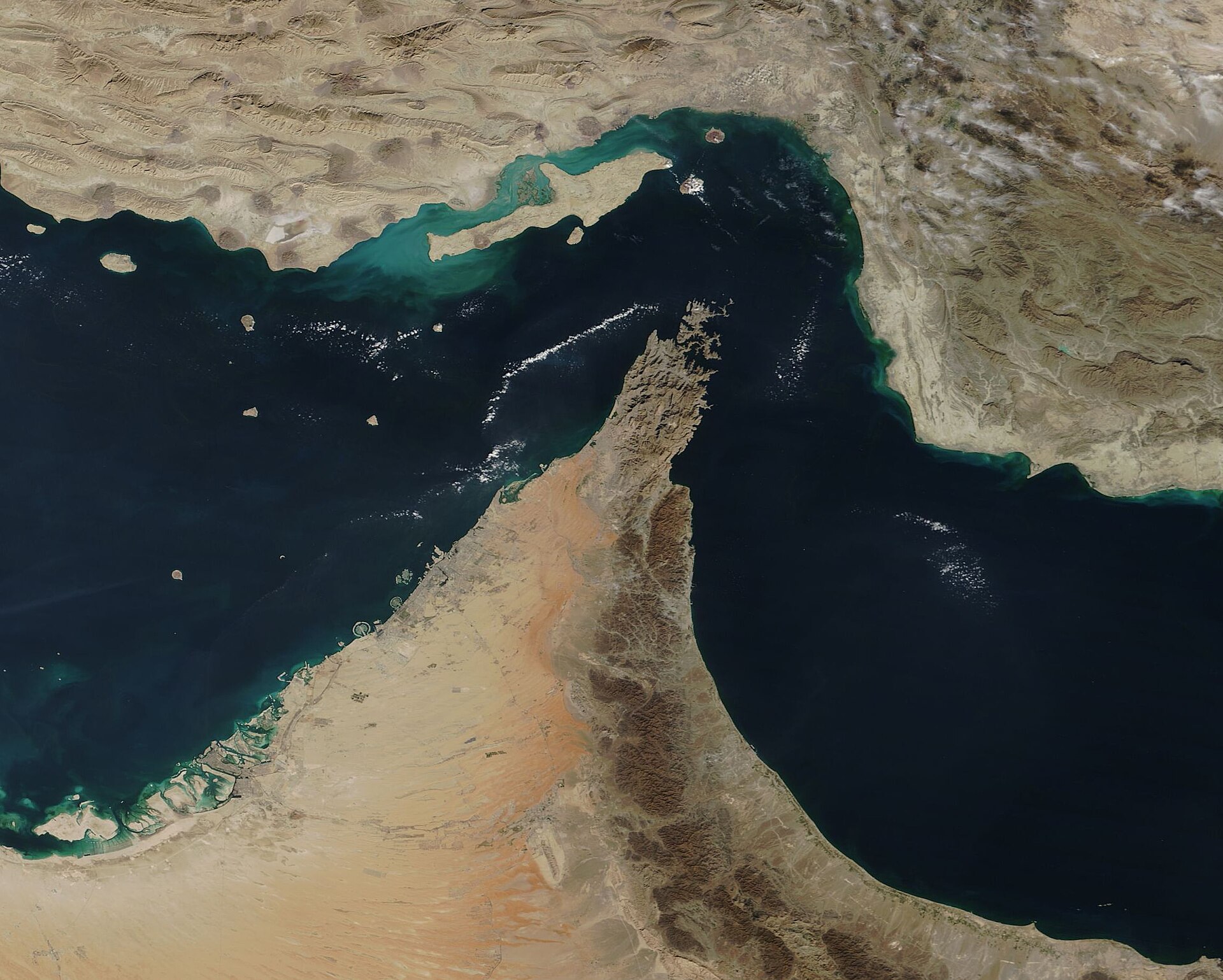
The economic campaign does not operate in isolation from the naval blockade or the wider Hormuz crisis, and for Saudi Arabia the interaction between sanctions and blockade is what defines the conditions under which its oil can flow again. Saudi crude output fell by 2.3 million barrels per day in August 2026, according to the IEA’s estimate reported by Reuters, and the kingdom’s 2026 budget deficit has risen to 245 billion riyals, per Zawya. OPEC+ meets on November 1 with Saudi Arabia’s quota at 10.5 million barrels per day — a figure it cannot currently reach through its disrupted export routes.
Iran’s seven-day roadmap, presented by Araghchi via Qatar in September, demanded three things in return for reopening Hormuz: the US lifts the naval blockade, grants sanctions waivers, and returns approximately $12 billion in frozen Iranian assets, per Al Jazeera. Trump rejected the plan, the Wall Street Journal reported. Each new round of Operation Economic Outcast designations makes even the sanctions-waiver component harder to deliver, because unwinding a programme that has designated entities across shipping, aviation, automotive, rail, digital assets, technology, gold, and financial services would require a policy reversal well above the level of a desk officer writing an OFAC general licence.
Iran has said Hormuz could reopen in four to five days if the US lifts the blockade, but the preconditions keep growing while the sanctions architecture keeps thickening. Every weekly OFAC action adds another layer of designations that would need to be unwound before any sanctions-waiver commitment could be honoured, widening the gap between what Tehran demands and what Washington could deliver even if it wanted to.

The Midterms and What Comes After
Trump said it on October 8 with a directness that left no room for diplomatic interpretation: the United States “will not be attacking Iran at any time prior to the midterm elections” on November 3, per The National. It was a sitting president publicly indexing a military decision to an electoral calendar, and it has shaped the conflict ever since — the sanctions campaign is not merely a complement to the naval blockade but the operational substitute for kinetic action during a period when the administration has calculated that the domestic political cost of bombing Iran outweighs whatever strategic advantage the strikes might produce.
What comes after November 3 depends on which version of the president’s rhetoric proves operative, and the signals have not been consistent. Trump told TIME on October 22 that “I think the war is going to end immediately after the election,” then told reporters between October 23 and 25 that he was deciding whether to “make a deal with them or finish them off,” per CBS News — language that frames the choice as binary. US Ambassador to the United Nations Mike Waltz, meanwhile, said the administration was still “tightening” economic pressure and warned that the war could last another year. Three statements pointing in three directions, offering a clearer picture of the administration’s internal debate than any single briefing could.
Iran’s chief negotiator, Mohammad Bagher Ghalibaf, pushed back on the premise that Washington could dictate terms at all: the United States, he said, “is not in an economic position to restrict its relations with other countries,” per The Week India. Iran’s foreign ministry went further on August 24, calling Operation Economic Outcast “the other side of the coin of war and military aggression” and warning that officials who implement the measures are “liable to prosecution and punishment,” according to Spectrum News relaying Iranian state broadcaster IRIB.
The Tehran talks ended on October 27 without a ceasefire, and a war dragging on for another year would carry well past the point where Iran’s floating crude reserves, the middlemen who shipped them, and the shadow-fleet lawyers who registered the companies that owned the tankers have any commercial relevance at all. The US ordered all non-emergency staff and families to leave Saudi Arabia the same day, which tells you something about what the people writing the sanctions expect to happen once the votes are counted.
Frequently Asked Questions
What sectors has Operation Economic Outcast targeted?
Seven sectors in nine weeks of escalating designations. Digital assets, technology, gold, aviation, and shipping were targeted at the August 24 launch. Automotive and rail were added on October 1, when Treasury sanctioned Iran’s state-owned rail firms and foreign suppliers across multiple countries. The October 21 round extended the programme’s reach to legal and financial services by sanctioning a law firm accused of creating shell companies for Iranian shipping and issuing a Bank Secrecy Act subpoena to a European bank — the first time FinCEN has used that investigative authority in an Iran-related case.
Has the US sanctioned any Chinese banks under this programme?
Not by name under Operation Economic Outcast as of October 28. Treasury sanctioned five Chinese refineries in a separate action earlier in 2026, and China’s commerce ministry responded with an order blocking compliance. Bessent has warned that Chinese financial institutions are not immune — “no one is above the reach of US sanctions,” he said on August 24 — but no named Chinese bank has been designated under this campaign. Atlantic Council analysts regard this as the programme’s central unresolved question, with Jonathan Panikoff noting that China’s cooperation is “essential” for the broader isolation strategy to work.
How does the FinCEN subpoena differ from an OFAC sanction?
An OFAC designation freezes assets and prohibits US persons from dealing with the target, taking effect immediately upon publication. A FinCEN administrative subpoena under the Bank Secrecy Act is an investigative tool — it compels the recipient to produce documents and records but does not freeze assets or bar transactions on its own. The October 21 subpoena to a Greek bank, and the information requests sent to six other unnamed European banks, signal that Treasury is building evidentiary cases that could lead to future designations or enforcement actions against financial institutions in Europe’s Mediterranean shipping corridor.
What is Iran’s official position on the sanctions campaign?
Tehran has rejected Operation Economic Outcast on multiple fronts. Foreign Minister Abbas Araghchi called it “economic terrorism” meant to distract from US domestic problems. Economy Minister Ali Madanizadeh told Reuters that Iran is “fully prepared” to counter sanctions, though Tehran has not publicly detailed alternative revenue sources. The foreign ministry on August 24 described the programme as “the other side of the coin of war and military aggression,” and chief negotiator Mohammad Bagher Ghalibaf challenged Washington’s economic standing to restrict other nations’ trade, arguing the US “is not in an economic position” to do so.
The House of Saud Daily Briefing
Saudi Arabia’s news in 3 minutes, every morning. Free. See today’s issue
✓ You’re in. Your first briefing arrives tomorrow morning.
Most Read Today
Most Read This Month



