

Original Coverage & Source Attribution: www.ndtv.com
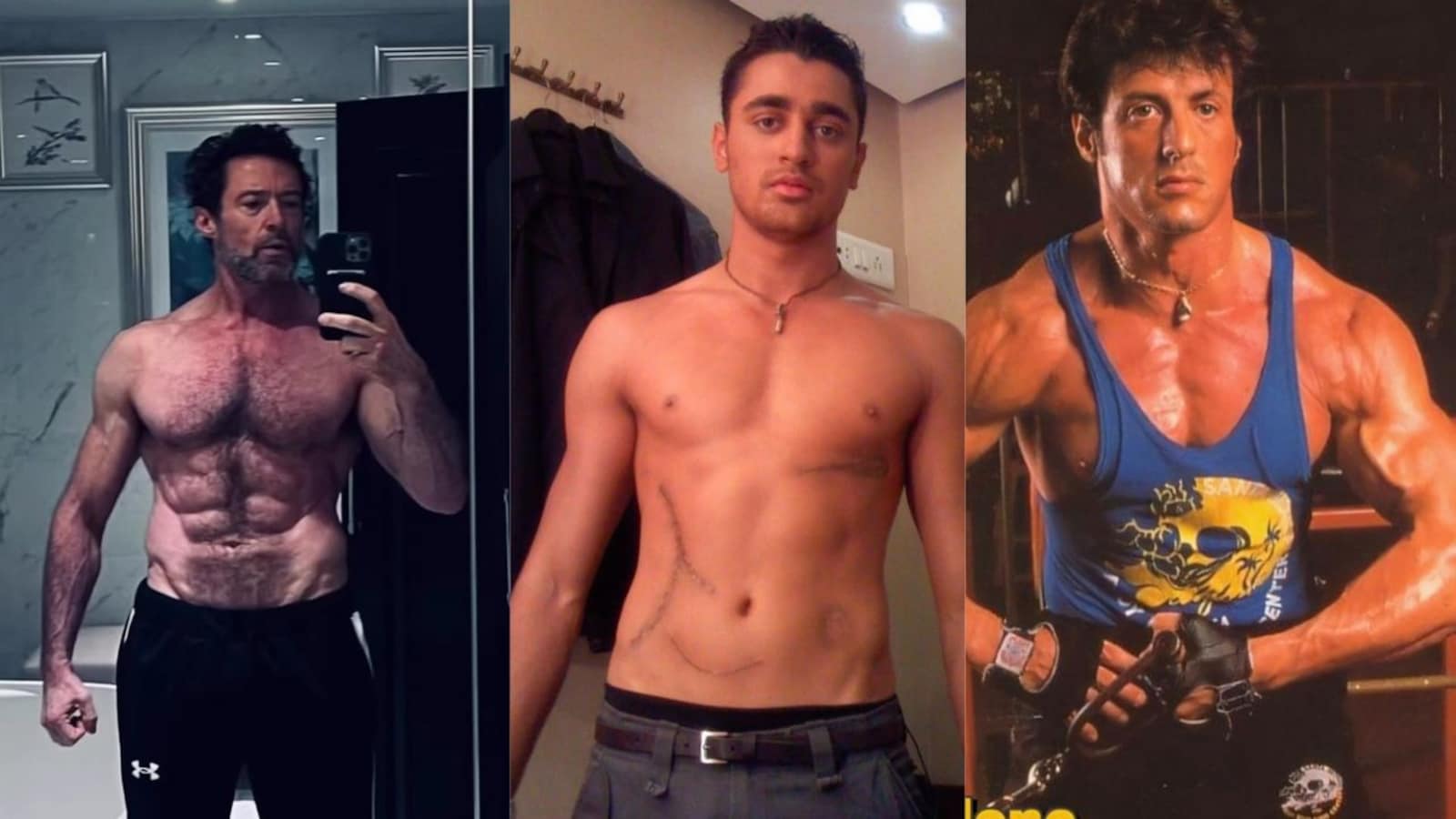
The muscular physiques of action heroes often become a talking point, with actors undergoing demanding training programmes, strict diets and dramatic physical transformations for their roles. Allegations of steroid use have been made against several Bollywood actors, though most have denied using performance-enhancing drugs. However, a number of celebrities and athletes worldwide have openly admitted to using steroids in the past. The pressure to look bigger, leaner and more muscular on screen can also raise questions about the use of performance-enhancing substances. Recently, Hollywood actor Sylvester Stallone opened up about using steroids while preparing for Rocky III. His revelations have renewed conversations about the physical and psychological costs of chasing an idealised action-hero body. Stallone is not the only actor to have spoken publicly about steroids or testosterone use. Former Bollywood actor Imran Khan has also admitted to using steroids while trying to conform to the muscular image associated with male stars. Meanwhile, actors such as Arnold Schwarzenegger and Charlie Sheen have previously acknowledged using performance-enhancing substances in different contexts. But what exactly happens when someone uses steroids to build muscle? Can these substances affect the heart and brain, even in people who exercise regularly?
Doctors explain that the risks depend on the type of steroid, the dosage, the duration of use and an individual’s underlying health. While anabolic steroids can influence muscle growth and physical performance, their misuse may also affect cardiovascular health, mood and behaviour. Here are 10 celebrities whose physiques or public comments have featured in discussions about steroids and testosterone, followed by the health risks everyone should understand.
1. Sylvester Stallone
Sylvester Stallone, one of Hollywood’s most recognisable action stars, has discussed steroid use while pursuing a lean and muscular physique for his films. The actor has spoken about the extreme measures he took to achieve his desired appearance, highlighting the pressure associated with maintaining an action-hero body. Stallone’s experience has also drawn attention to the psychological toll of pursuing an extremely lean physique. His account is a reminder that a body created for a film role should not automatically be considered a healthy or sustainable fitness goal. Extreme dieting, excessive exercise and the misuse of performance-enhancing substances can carry risks that extend well beyond appearance.
2. Imran Khan
Former Bollywood actor Imran Khan has spoken about the pressure to appear more masculine in an industry where muscular physiques are often associated with leading men. In an Instagram post, he admitted that he had resorted to steroid use while trying to conform to this image. Khan discussed how the physiques of actors such as Salman Khan and Hrithik Roshan influenced his perception of the appearance expected of male stars. He also acknowledged that attempting to fit this mould was not sustainable for him.
His experience highlights how body-image pressures can affect men as well as women. The desire to match an idealised physique can sometimes lead people to consider substances without fully understanding their long-term consequences.
3. Arnold Schwarzenegger
Before becoming a Hollywood action star, Arnold Schwarzenegger established himself as a champion bodybuilder. He publicly acknowledged using anabolic steroids during his competitive bodybuilding years. In a 2005 interview with ABC News, Schwarzenegger discussed his past use and said he did not encourage others to follow the same path. His experience remains relevant because substances used to increase muscle size can carry risks even when someone has extensive training experience.
Professional bodybuilding and recreational fitness also have different demands. Attempting to replicate the size and conditioning associated with competitive bodybuilding can expose people to risks that are not necessary for general health or fitness.
4. Charlie Sheen
Actor Charlie Sheen admitted to using steroids for a short period while filming the 1989 baseball comedy Major League. In a 2011 interview with Sports Illustrated, he said he had used them for approximately six to eight weeks to improve his pitching performance. Unlike actors who use substances to achieve a muscular appearance, Sheen described using them in the context of athletic performance. His account illustrates that performance-enhancing drugs are not limited to bodybuilding or action films. Anabolic steroids can affect multiple systems in the body, regardless of whether the intended goal is muscle growth, strength or improved sporting performance.
5. Frank Grillo
Frank Grillo has spoken openly about testosterone therapy and the use of anabolic substances in the context of maintaining his physique. In a 2025 interview with Men’s Health, the actor discussed taking testosterone after learning that his levels were low. He also acknowledged using Anavar, an anabolic steroid, for a period to build lean muscle. Testosterone therapy and non-medical anabolic steroid use are not interchangeable. Testosterone may be prescribed for a diagnosed deficiency, while drugs such as Anavar can be misused for physique enhancement. Both the indication for treatment and the medical supervision involved matter when assessing risk. Grillo’s account has also fuelled discussion about the pressure on actors to develop muscular bodies quickly for superhero and action roles.
6. Alan Ritchson
Alan Ritchson has discussed the physical demands of playing Jack Reacher, a character known for his imposing build. The actor said he gained around 30 pounds while preparing for the role and described the toll that intensive training and inadequate recovery took on his body. Ritchson has also spoken about receiving testosterone replacement therapy after experiencing significant fatigue and discovering low testosterone levels following an intense period of training. He said he built his physique for the first season without steroids or testosterone.
His experience illustrates why testosterone therapy should not be treated as synonymous with anabolic steroid misuse. Medically indicated treatment can be appropriate for some people, but it requires clinical assessment and monitoring. Ritchson’s account also underlines that excessive training and insufficient recovery can cause harm even without performance-enhancing drugs.
7. Joe Rogan
Joe Rogan has publicly discussed using testosterone replacement therapy as part of his approach to ageing and fitness. However, testosterone therapy is not proof of anabolic steroid misuse for bodybuilding, and the two should not be conflated. Testosterone is a hormone that plays a role in muscle development, bone health, sexual function and other processes. When levels are abnormally low, a doctor may consider treatment after evaluating symptoms and appropriate laboratory results. Using testosterone without a medical indication or taking more than prescribed to increase muscle mass is a different matter. Treatment decisions should be based on an individual’s health needs rather than the desire to reproduce a celebrity’s physique. Rogan’s publicly discussed testosterone use should not be presented as evidence of non-medical anabolic steroid abuse.
8. Hugh Jackman
Hugh Jackman’s muscular transformation for his portrayal of Wolverine has repeatedly prompted public discussion about how actors achieve superhero physiques. However, speculation about an actor’s appearance is not evidence of steroid use. Jackman’s physique has been the subject of media scrutiny, but his appearance alone cannot establish whether he has used anabolic steroids.
Dramatic changes in muscle definition can result from training, nutrition, lighting, dehydration and other preparation methods. Photographs and film appearances cannot establish whether drugs were involved. For readers, the more useful takeaway is to focus on sustainable training, adequate recovery and appropriate nutrition instead of attempting to copy an actor’s appearance.
9. Dwayne Johnson
Dwayne Johnson is widely recognised for his muscular build and demanding fitness routine. His physique has also prompted online speculation about performance-enhancing drugs. However, speculation should not be presented as proof of steroid use. Johnson has publicly denied using steroids, and there is no basis for treating his appearance alone as evidence to the contrary.
His example illustrates a common problem in celebrity fitness coverage: audiences may see a dramatic transformation and assume that a particular substance must have been involved. In reality, a muscular physique does not establish whether an individual has used performance-enhancing drugs.
10. Aamir Khan
Aamir Khan’s dramatic body transformation for Dangal attracted considerable attention because he gained weight to portray an older wrestler before losing weight to depict the character at a younger age.
The actor acknowledged that his rapid weight changes were unhealthy and said the transformation was undertaken for the film under expert supervision. However, questions about whether steroids contributed to his physique were raised in the media, and his fitness coach did not confirm that Khan had used them. Therefore, Khan should not be described as having taken steroids based on speculation. His transformation is relevant to the discussion because it highlights another risk of celebrity fitness culture: the pressure to change body weight rapidly for a role. Rapid weight gain or loss can be physically demanding, and the methods used for a film production should not be copied without professional guidance.
What Are Anabolic Steroids, And Why Do People Use Them?
Anabolic-androgenic steroids are synthetic substances related to testosterone. They can promote muscle growth and influence the development of male sex characteristics. Some anabolic steroids have legitimate medical uses, but taking them without appropriate medical supervision to increase muscle mass or enhance performance can be harmful. It is also important to distinguish anabolic steroids from corticosteroids. Corticosteroids are prescribed to manage conditions such as asthma, autoimmune diseases and inflammation. They work differently and are not the same as the drugs used to build muscle.
According to Dr Atampreet Singh, Senior Director and Head, Institute of Neurosciences at ShardaCare – Healthcity, steroid-related risks depend on the type of drug, dosage, duration of use and the individual’s overall health.
How Can Steroids Affect The Brain And Mental Health?
Steroid misuse can affect more than physical appearance. Changes in mood, behaviour and mental well-being are among the potential complications of anabolic steroid use. Dr Atampreet Singh explains that anabolic steroids may cause mood swings, irritability, increased aggression, anxiety and depression. Prolonged misuse can also contribute to dependence and psychological difficulties, particularly when a person stops taking them. Corticosteroids can affect mental health as well. Depending on the dose and duration of treatment, some people may experience sleep disturbances, anxiety and mood changes. In rare cases, severe psychiatric symptoms, including mania or psychosis, may occur. The doctor advises people experiencing sudden behavioural changes, severe mood disturbances, confusion or hallucinations while taking steroids to seek prompt medical attention. Prescribed corticosteroids should not be stopped abruptly after prolonged use without consulting a doctor, as doing so can lead to serious complications.
Can Steroids Increase The Risk Of Heart Disease?
Anabolic steroid misuse can affect blood pressure, cholesterol levels and the structure and functioning of the heart. These changes may increase the risk of cardiovascular complications, particularly with high doses or prolonged use.
Dr Amit Kumar Gupta, Senior Consultant and Head of Cardiology at Sarvodaya Hospital, Mathura, explains that anabolic steroids can increase LDL (bad) cholesterol and reduce HDL (good) cholesterol, potentially contributing to plaque accumulation in the arteries. They may also raise blood pressure and cause changes in the heart muscle that affect its ability to pump blood efficiently. Prolonged misuse has been associated with an increased risk of heart attack, stroke, abnormal heart rhythms and other cardiovascular complications.
The risks can be greater among people who take large doses, combine multiple performance-enhancing substances or use steroids for extended periods without medical supervision. Regular exercise does not eliminate the cardiovascular risks associated with anabolic steroid misuse. Even younger people who appear fit can be affected. Corticosteroids can also influence cardiovascular health, particularly when used at high doses or for prolonged periods. Depending on the medication and an individual’s health, they may contribute to fluid retention, elevated blood pressure and increased blood glucose levels.
Dr Gupta advises people taking prescribed steroids to follow their doctor’s instructions and attend recommended monitoring appointments. Those using anabolic steroids without medical guidance should consult a healthcare professional to assess potential health risks.
Can You Build An Action-Hero Body Without Steroids?
Building muscle naturally requires consistency, progressive resistance training, adequate nutrition, sufficient sleep and recovery. The rate of muscle growth varies according to genetics, training experience, age, diet and other individual factors. Celebrity transformations can also involve months of preparation, specialist coaching, carefully planned nutrition and changes in body fat. Film lighting, camera angles and temporary changes in water balance can further influence how muscular someone looks on screen.
Trying to reproduce a celebrity’s physique within a short period may encourage excessive training, restrictive eating or the use of unregulated performance-enhancing substances. People who want to build muscle should focus on sustainable progress rather than chasing a particular body-fat percentage or a deadline. Anyone considering hormone treatment should first undergo an appropriate medical assessment instead of self-medicating.
The appeal of an action-hero physique can make rapid muscle growth seem desirable, but the potential consequences of unsupervised steroid use extend well beyond appearance. Anabolic steroid misuse can affect cardiovascular health, mood and psychological well-being, while prescribed corticosteroids have a different set of benefits and risks. The celebrities discussed above also demonstrate why it is important to distinguish documented disclosures from speculation about people’s bodies. A muscular physique alone cannot establish whether someone has used steroids. For anyone pursuing fitness goals, a gradual, medically informed approach is safer than treating performance-enhancing substances as a shortcut. Steroids prescribed for a medical condition should be used only under appropriate medical supervision.
Disclaimer: This content including advice provides generic information only. It is in no way a substitute for a qualified medical opinion. Always consult a specialist or your own doctor for more information. NDTV does not claim responsibility for this information.



