Original Coverage & Source Attribution: ua.news
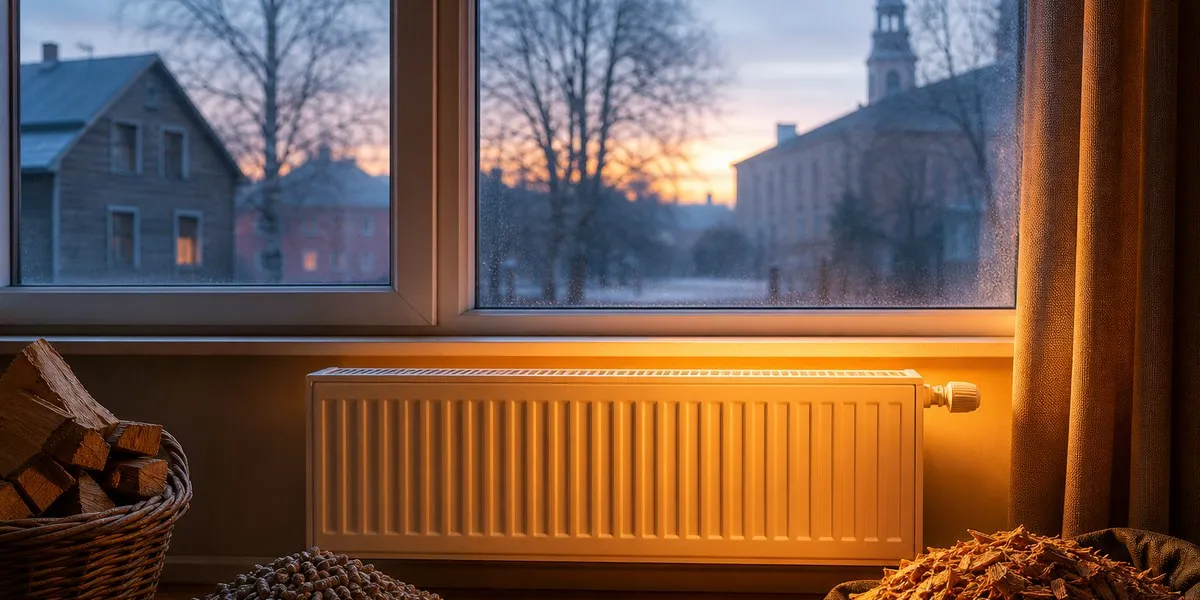
In Latvia, heating energy tariffs will increase from November 1 in Cēsis, Gulbene, Jelgava, Saldus, Valmiera, Dobele and Jūrmala. The regulator approved tariff increases in November for 13 regulated suppliers, LSM English reports.
Where tariffs will change
At the same time, lower heating energy tariffs will apply in Auce, Bēne and Lielauce from November 1. In Talsi, the increased tariff will be introduced from November 18, 2026.
Latvia’s Public Utilities Commission explained that the price increases in several municipalities are mainly linked to higher fuel costs, particularly for wood pellets and wood chips. According to the regulator, pellet purchase prices have doubled or tripled in some cases, while the price of wood chips has risen by more than 80%.
More current news is available on the UA.News Telegram channel Telegram.
The impact of fuel prices
Jānis Negrībs, director of the regulator’s energy department, also stated that the price of natural gas on the global energy market has reached its highest level in recent years due to geopolitical uncertainty and supply disruptions. Such costs are reflected in heating tariffs, particularly when companies conclude new fuel procurement contracts.
According to Negrībs, before the start of the heating season, suppliers traditionally revise tariffs to align them with actual costs. He stressed that a tariff increase does not necessarily mean the same increase in a bill: the payment amount is also affected by a building’s energy efficiency and the volume of heat consumed.
Gas price data
According to Eurostat, in the first half of 2026, the average gas price for households in the EU was €0.11 per kilowatt-hour. This was 10.2% lower than in the second half of 2025 and 3.5% lower year-on-year. In Latvia, the figure was 10.2 per 100 kWh in purchasing power standard, higher than Lithuania’s 7.8 and Estonia’s 8.7.
Read us on