

Original Coverage & Source Attribution: musicinafrica.net
The conference was held at M1 Studios at SABC Radio Park in Auckland Park through a joint initiative by the Composers, Authors and Publishers Association (CAPASSO), the South African Music Performance Rights Association (SAMPRA) and the Academy of Sound Engineering (ASE).
Attendees included musicians, publishers, collective management organisations, educators, legal experts and government representatives. Delegates from Botswana, Lesotho, Mauritius, eSwatini and Zimbabwe also attended.
Discussions centred on the implications of generative AI for the music industry, particularly the protection of human-created works and the unauthorised use of copyrighted material by AI platforms. Participants also examined the need to update legislation to ensure that composers, publishers, performers and recording artists receive fair compensation when their works are used.
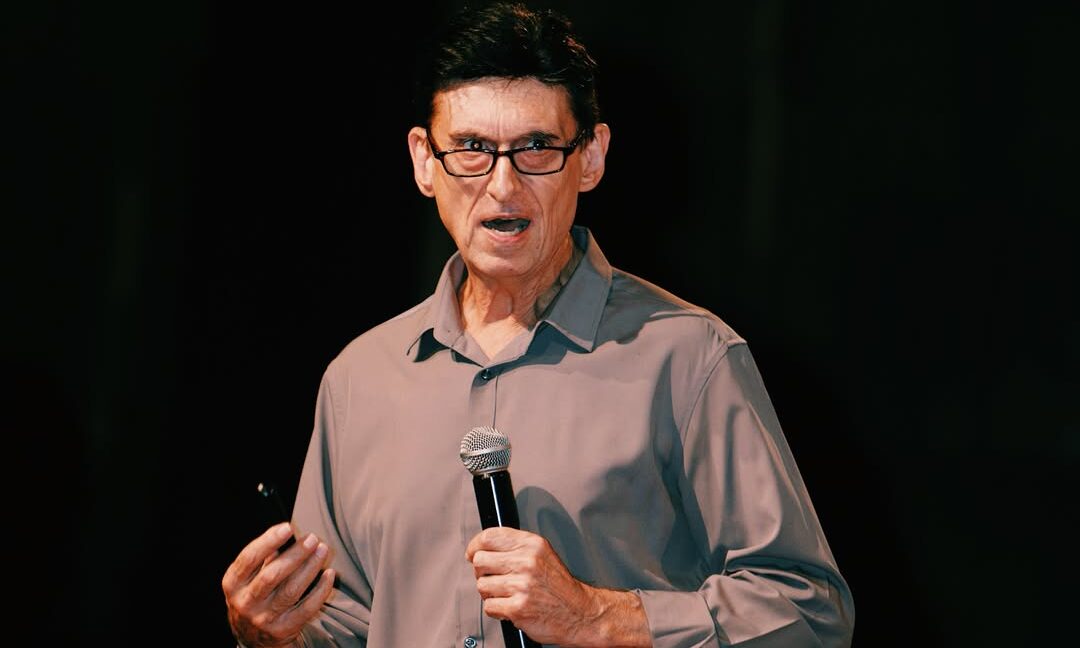
Speakers included CAPASSO CEO Jotam Matariro, SAMPRA CEO Pfanani Lishivha, ASE director Advocate Nick Matzukis, GEMA Supervisory Board chair Dr Ralf Weigand from Germany, and Paradise Worldwide CEO Ralf Boege.
Matariro said that protecting creators’ rights should remain central to the adoption of new technologies. He called for stronger copyright safeguards, progressive legislation and policies that ensure creators are compensated when their works are used by AI systems.
Lishivha said technological developments should not undermine the interests of recording artists and record companies. He emphasised the need for transparency, fairness and equitable remuneration as generative AI becomes more widely used.
Matzukis described AI as a tool for music composition and production rather than a replacement for human creativity. He said appropriate policies, legislation and licensing agreements could create additional royalty opportunities for the African music industry.
The conference brought together music practitioners, educators and policymakers to discuss possible approaches to regulating AI and managing its impact on the creative sector.
The organisers said the discussions would inform future policy and licensing initiatives as the music industry responds to developments in AI technology.



