

Original Coverage & Source Attribution: www.voiceofemirates.com
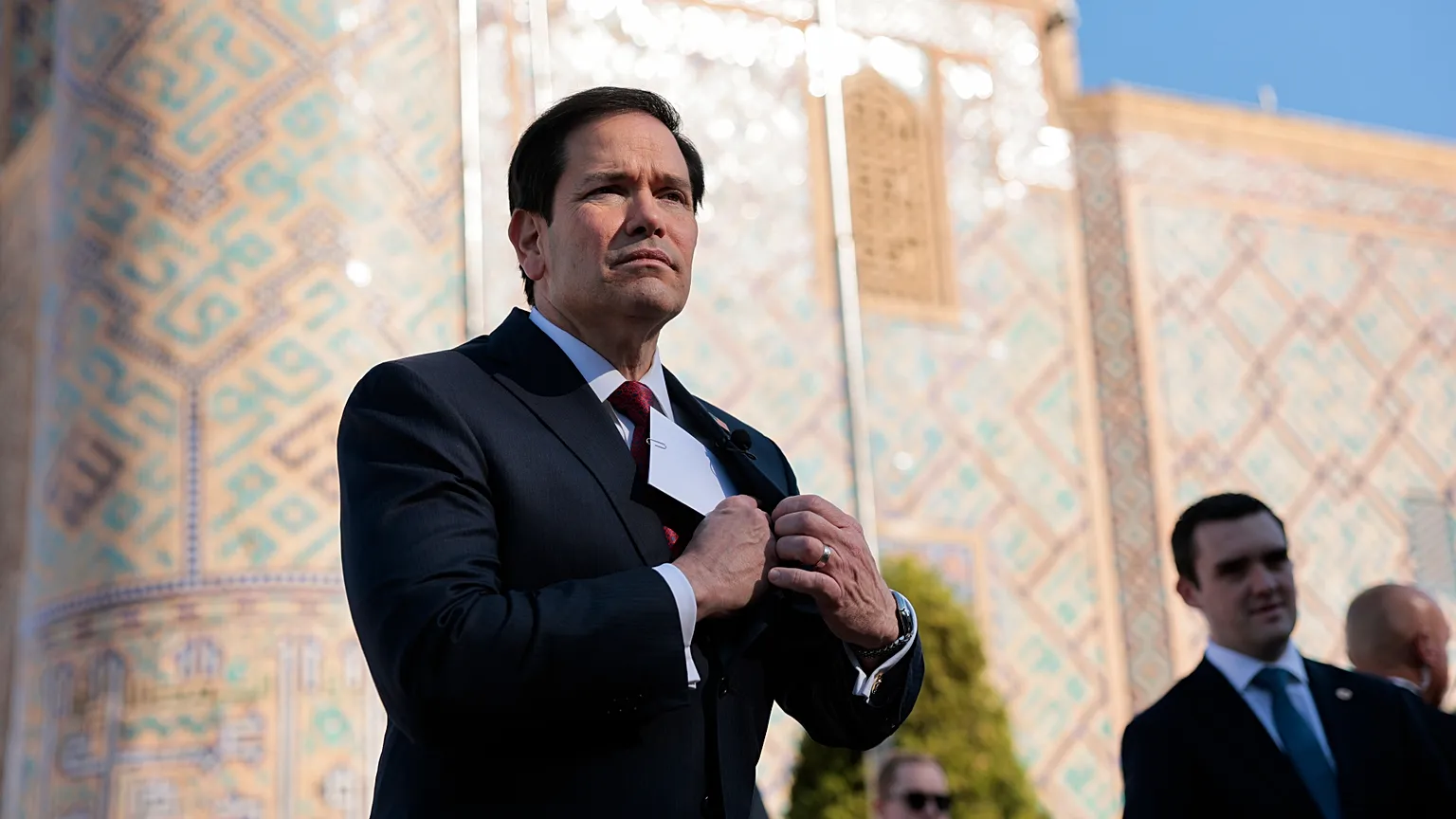
Washington, United States – U.S. Secretary of State Marco Rubio will embark on his first overseas trip this weekend following the U.S. congressional midterm elections. He is headed to France to participate in meetings of the G7 foreign ministers, scheduled for next Monday and Tuesday.
This visit comes at a critical juncture, as the U.S. administration grapples with complex political questions following recent election results—results that dealt a severe blow to the Republican Party and enabled the Democrats to regain control of Congress. Observers have attributed this shift to public discontent regarding certain foreign policies and military interventions, most notably the recent war with Iran.
In a brief statement issued on Friday, the U.S. Department of State explained that Rubio’s visit is primarily aimed at “advancing U.S. interests and intensifying bilateral and multilateral discussions with his G7 counterparts.” Attention is expected to focus on Rubio’s remarks during his upcoming meetings—specifically regarding whether President Donald Trump might adjust his political approach, which has long been characterized by a hardline, confrontational stance toward both allies and adversaries, or whether he will maintain the status quo, despite his party’s electoral setback.
Although Rubio is seen as holding positions more aligned with traditional diplomacy than President Trump, this tour comes amid media speculation that he might leave his post early to prepare for a 2028 presidential run—reports that both Rubio and his aides have been quick to deny, emphasizing his full commitment to his diplomatic duties.
The meetings in France take on particular significance, as they follow the expanded diplomatic gathering of G20 foreign ministers hosted by Rubio in Atlanta last week. The Atlanta meeting—which included official attendance and participation from Russia and China—concluded without reaching any notable consensus or issuing a joint final statement. Instead, only a unilateral statement was released by Rubio, leaving the prospect of international consensus to face a new test during the upcoming G7 meetings.



