Original Coverage & Source Attribution: www.clarku.edu
There was a time when work was easily defined and efficiently measured. You obtained a college degree or went through vocational training, then embarked on a career that, with luck, earned you money and supplied meaning. The path was distinct, almost predetermined.
That was so five minutes ago.
Old assumptions about work and career have become less relevant thanks to lifelong learning opportunities, emerging technologies, government interventions, and a marketplace that continues to churn and evolve. How, then, do we pull together what’s most needed to flourish in the modern work ecosystem of today and tomorrow?
Clark officially launches $27M apprenticeship program »
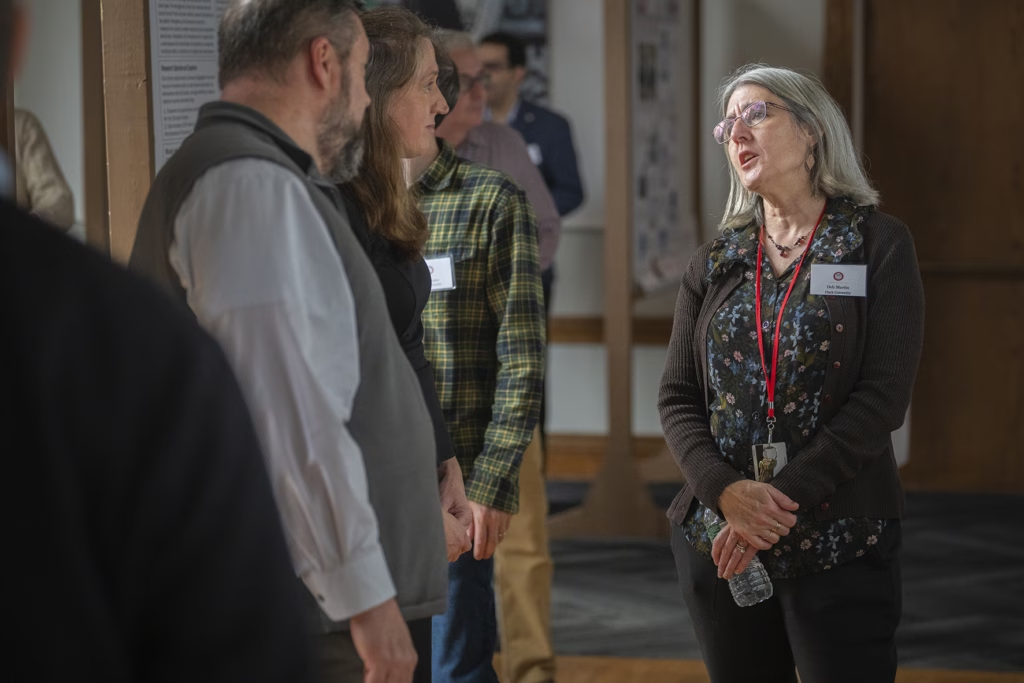
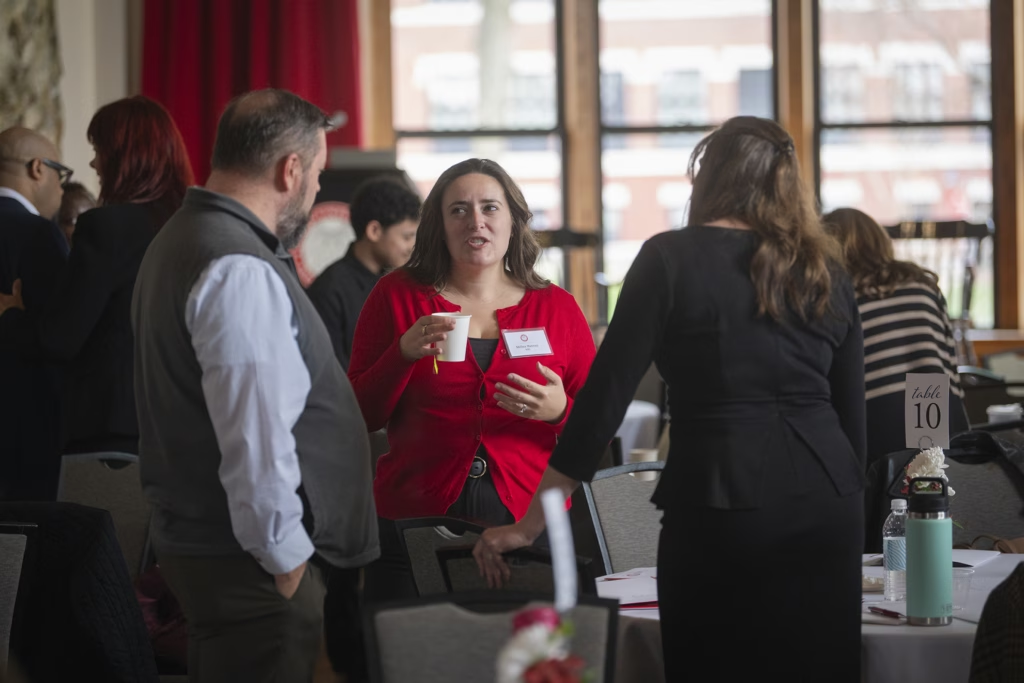
It was a question that brought an eclectic group of participants to the Clark University campus on Tuesday for Talent Forward 2026: Knowledge, Skills, and Partnerships for the Future of Work. Representatives from higher education, business and industry, government, workforce development, and community organizations gathered in Tilton Hall for the daylong conference, which proposed effective approaches to giving people agency over their work future and fostered connections among the institutions and agencies that help shape career avenues.
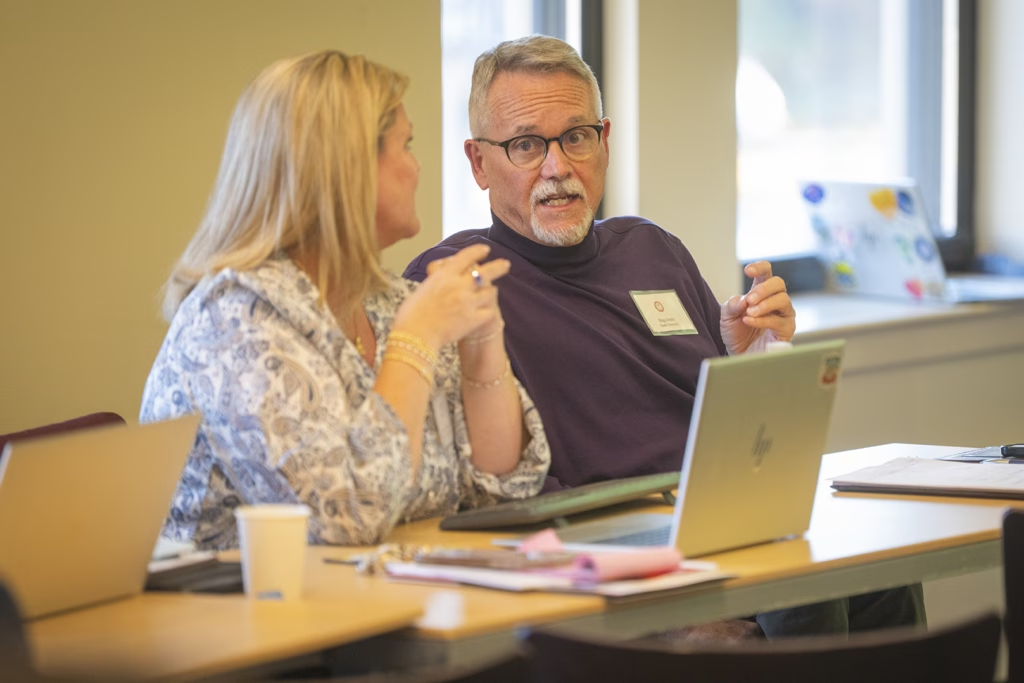
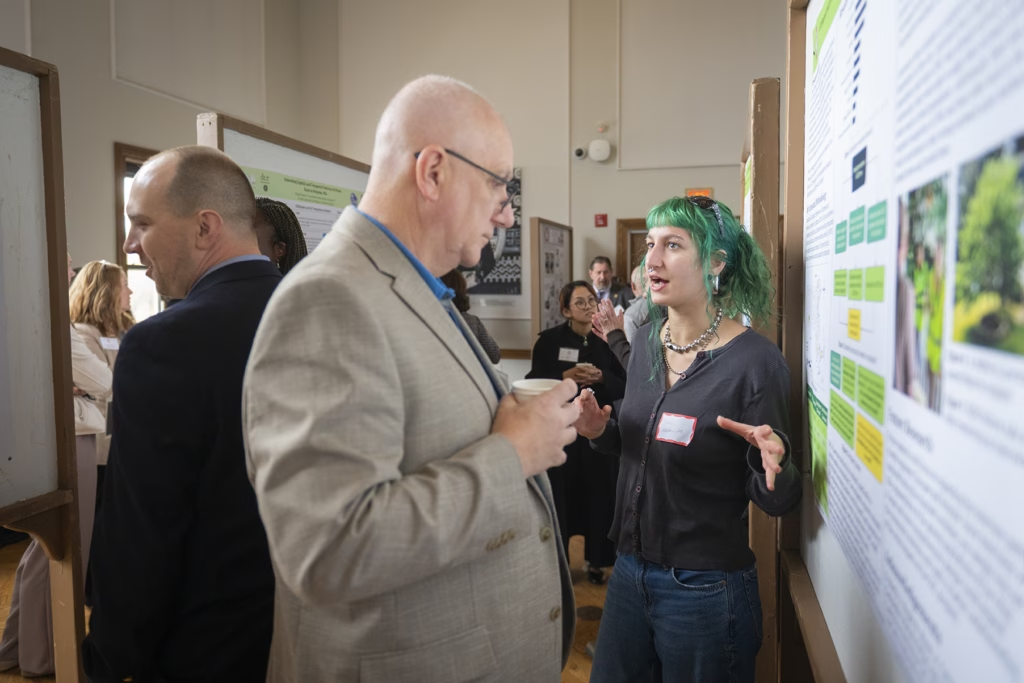
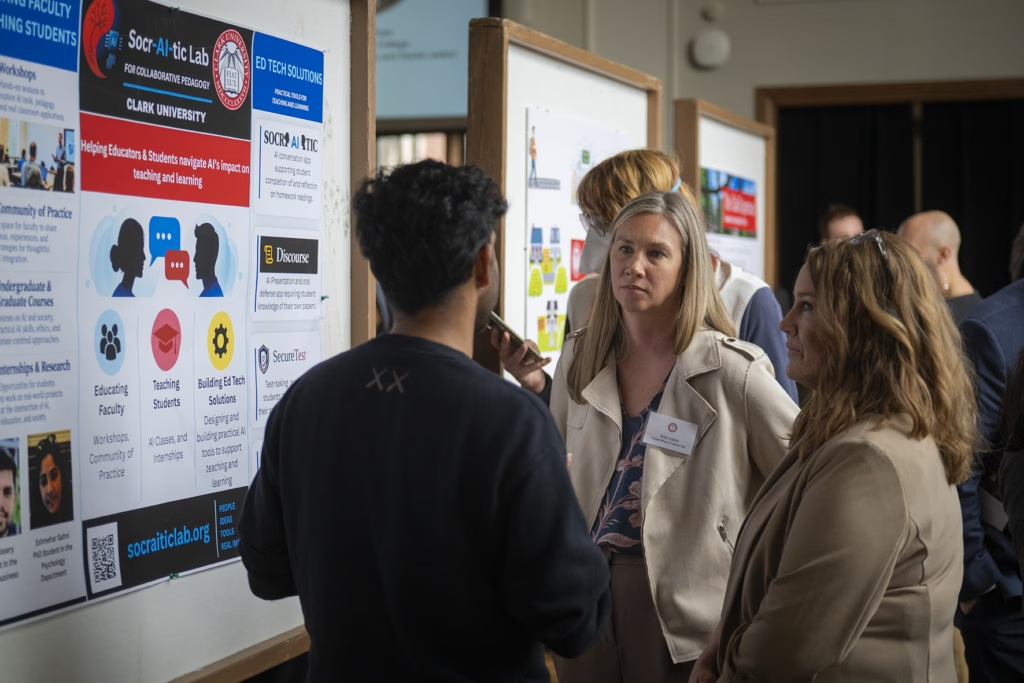
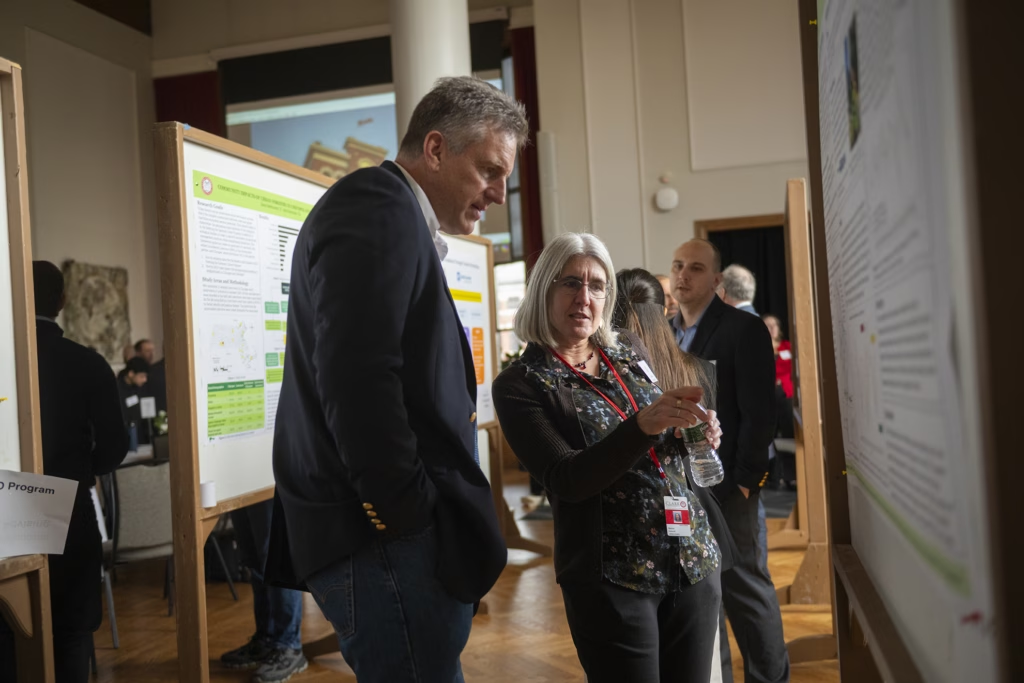
The day included discussions about the state of the workforce and the skills — including the application of artificial intelligence — that are needed for workplace readiness; an interactive showcase featuring examples of experiential learning, research, and partnership initiatives; and Design Labs, which brought participants together in small collaborative groups to develop partnerships, establish “talent pathways,” and plan workforce initiatives.
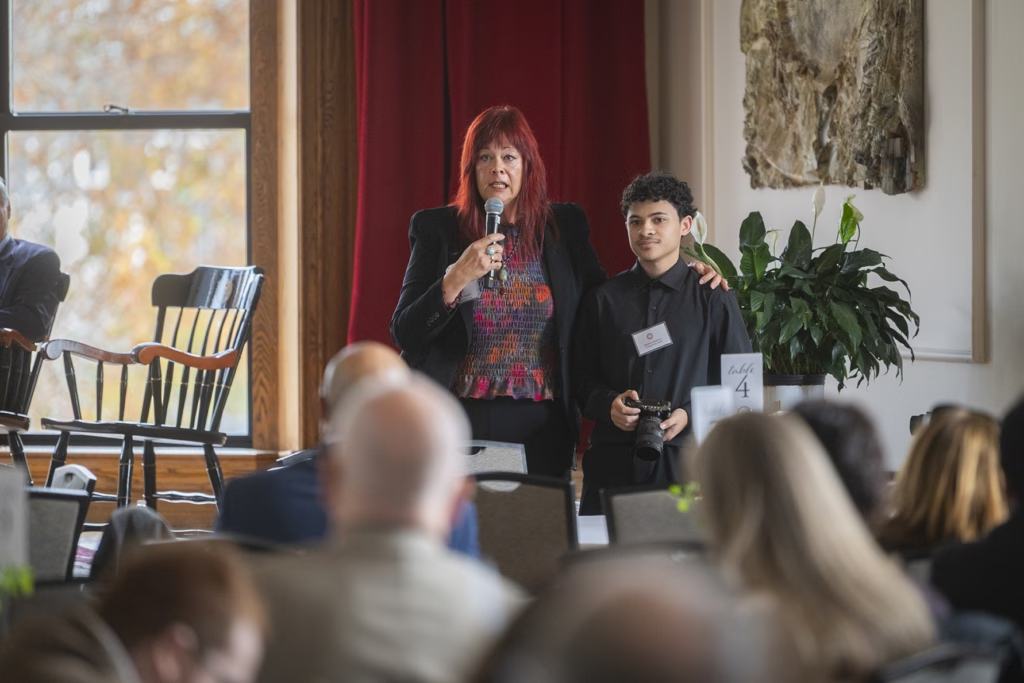
Jennifer Hanselman, associate provost and dean of research, introduced the day’s events by noting that the workforce is rapidly changing as AI and other technological advances transform industries and alter the knowledge and skills employers need. She sees it first-hand in the research realm.
“The discoveries our faculty and students make matter most when they help an employer solve a problem, help a community meet a need, or help a student prepare for a career that may not exist yet,” she said.
Hanselman offered a challenge to the participants.
“Our measure of success for today isn’t simply the quality of the conversations we have. It’s whether those conversations lead to stronger relationships, new opportunities, and concrete next steps.”
In his welcome remarks, Clark President David Fithian noted that higher education might be asking the wrong question regarding student outcomes: not “Are students ready for the world of work?” but rather “Is the world of work ready for them?”
Even the metaphor of an education-to-work “pipeline” is outmoded, he noted. The relationship between the two needs to be more permeable and multidirectional as people learn, build capacities, and adapt to the array of opportunities and challenges that present themselves throughout their lives and careers. The dynamic has changed so substantially that education and work must be commingled so that people are better prepared for jobs in a world that is changing around them — jobs that may not even yet exist. “It’s not simply what they know,” he said. “It’s what they can do with what they know.”
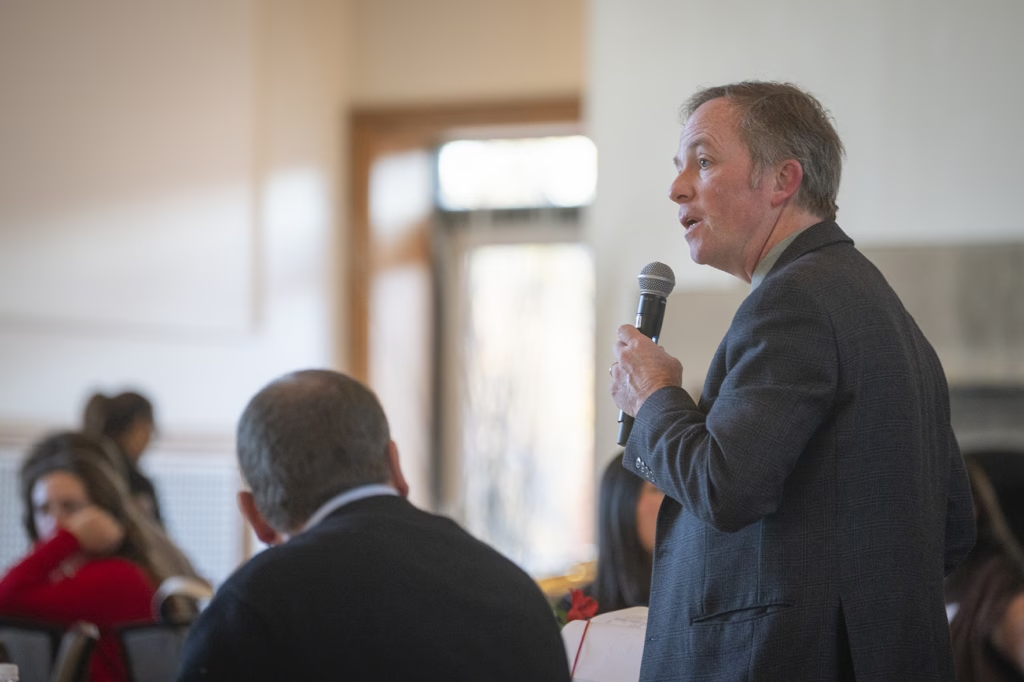
Several speakers followed President Fithian to the podium.
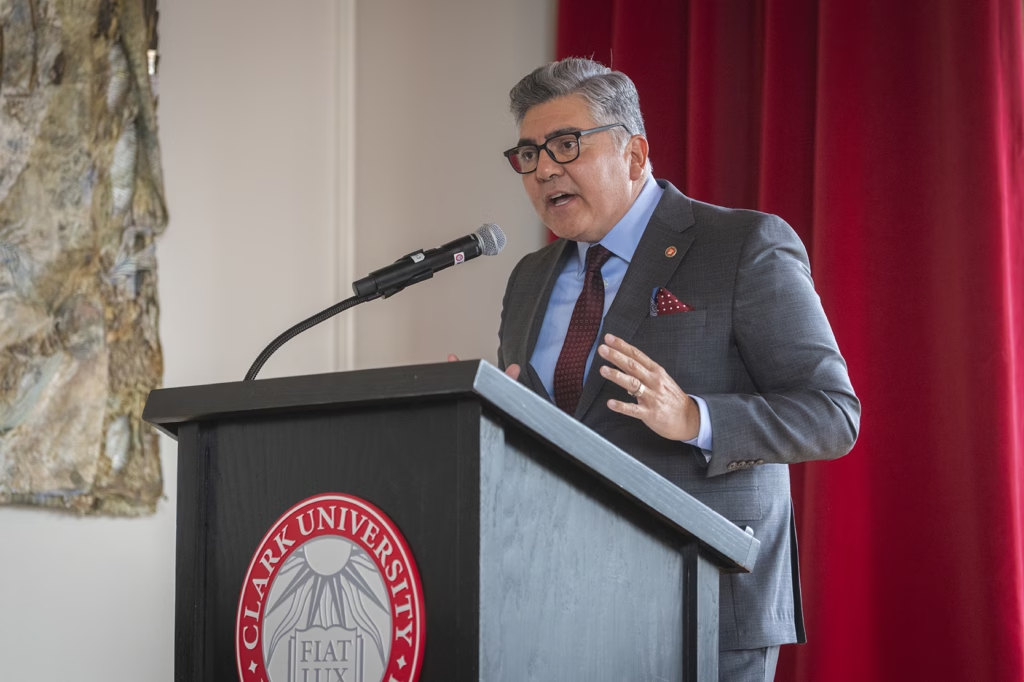
Interim Massachusetts Commissioner for Higher Education José Luis Santos said the state is recognizing the need to support students earlier, with wraparound services, as they begin their academic journeys. Apprenticeships, internships, co-ops, and other programs “give students an opportunity to draw a paycheck while learning.” The aim, he said, is “to make college fit around students’ lives” so that they can “learn, earn, return, and advance” over the course of their lifetimes.
Robert LePage, assistant secretary of career education for Massachusetts, said the state has the most robust “innovation economy” in the country and needs talented individuals to drive research and industry. With the workforce losing older employees to retirement, and fewer high school students entering college in the coming years, “everybody in the workforce is essential,” which requires ramping up efforts to train people in the skills needed to perform at a high level.
State Rep. David LeBoeuf urged participants to address economic inequalities as they promote job creation, ensuring people can meet their housing, childcare, and transportation needs so they are positioned for success in their profession.
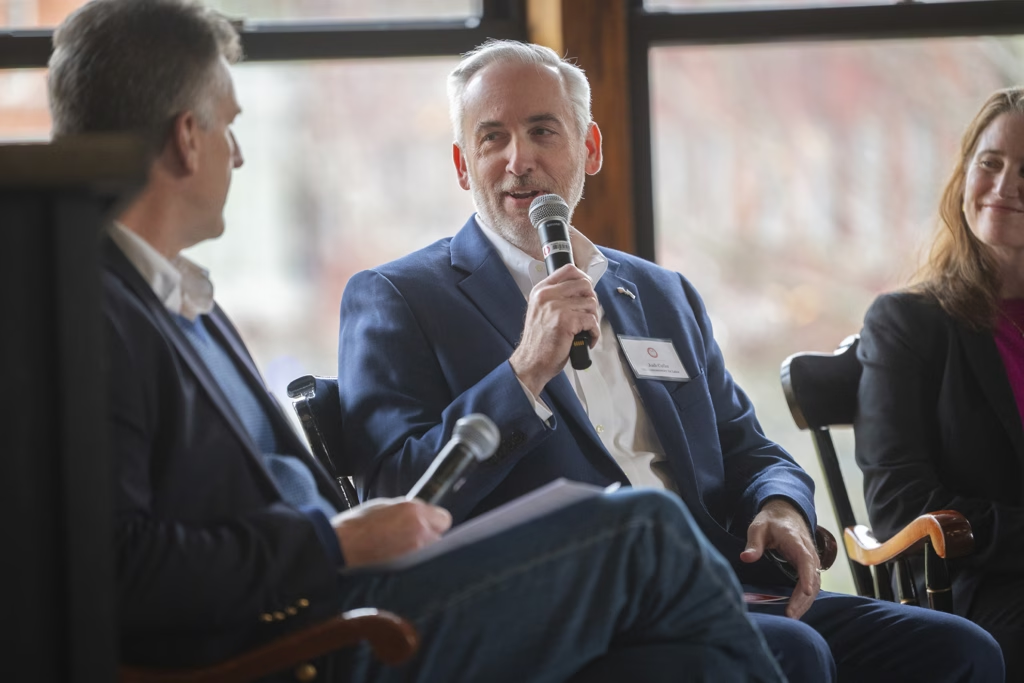
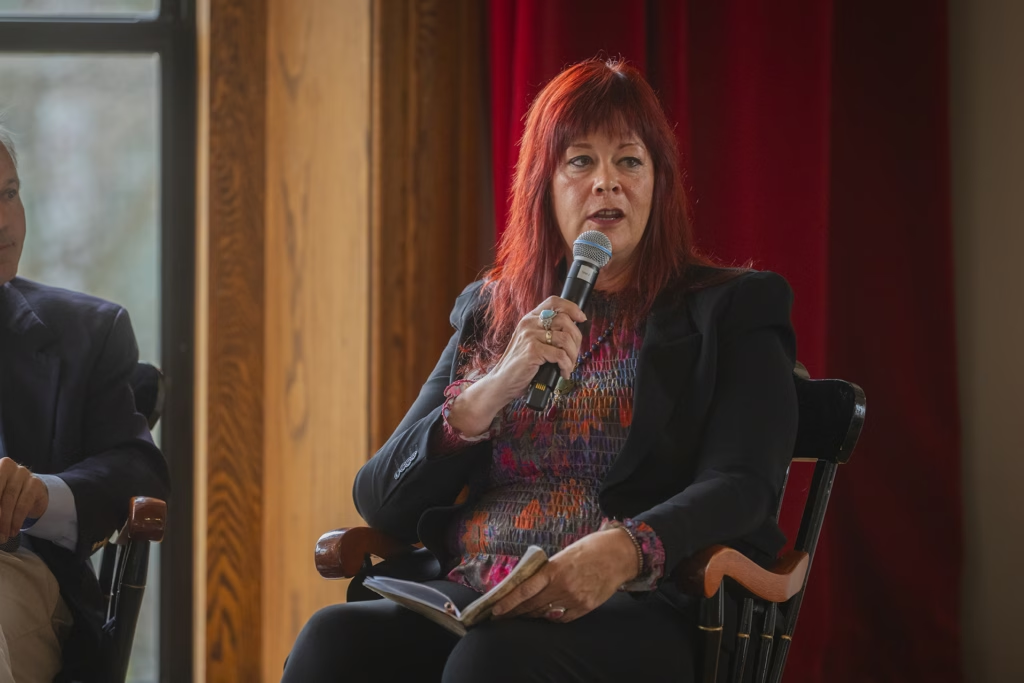
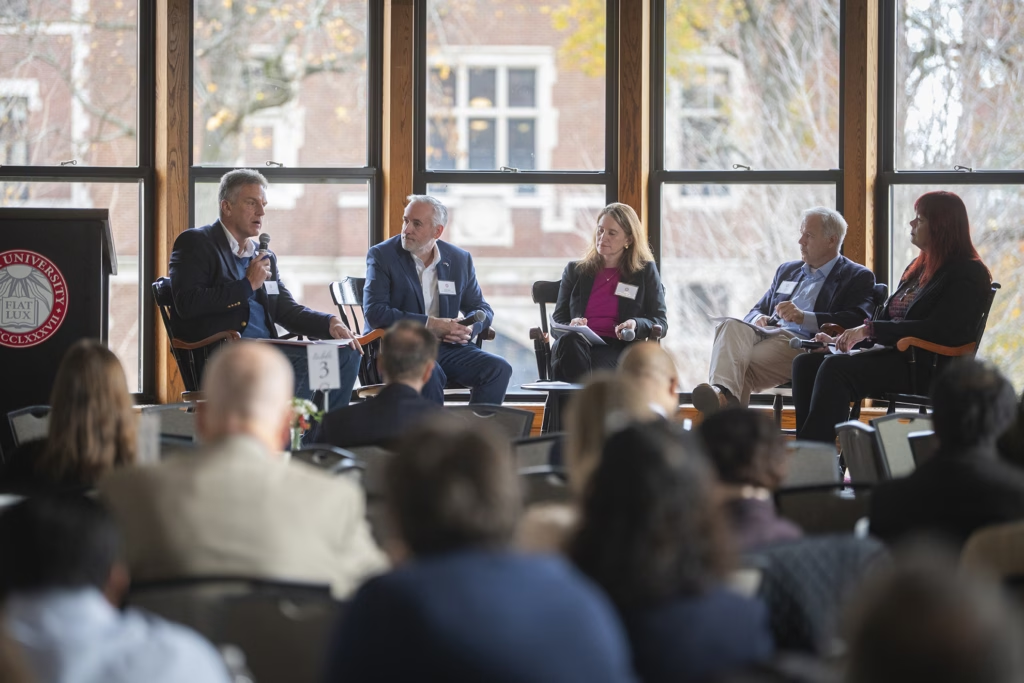
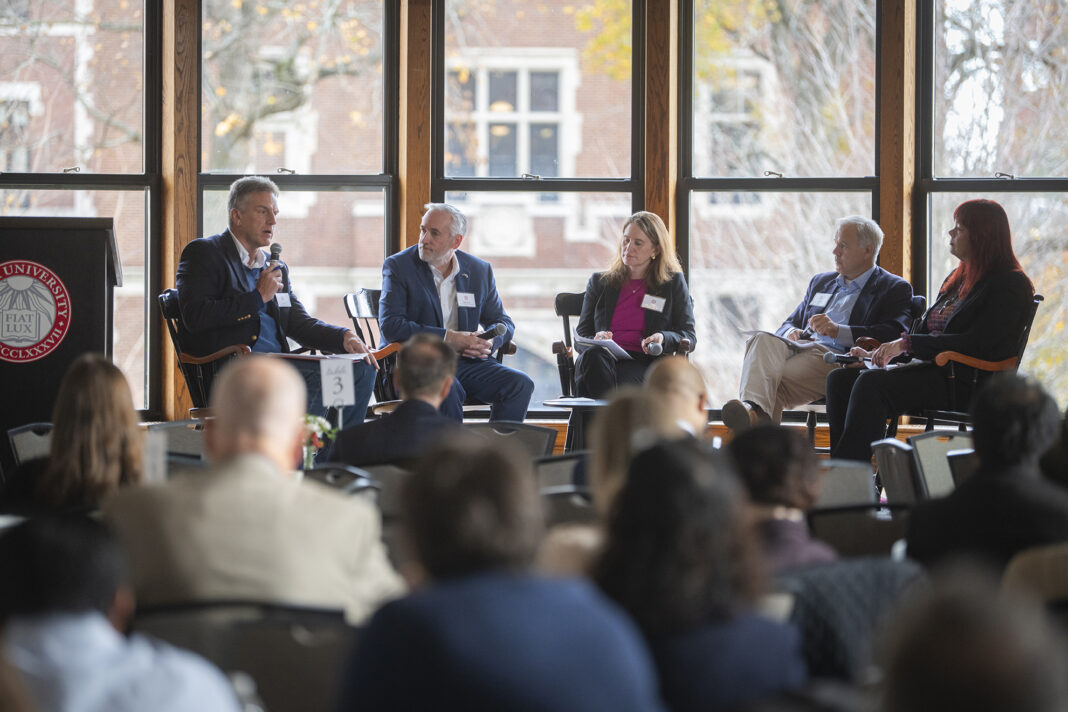
In a panel discussion moderated by Jay Ash ’83, president and CEO of Massachusetts Competitive Partnership, leaders from state government, workforce development, and private industry grappled with a number of issues, including the future of employment in Central Massachusetts, the skills gaps in the current workforce, the demand for durable skills in all industries, and the need for higher education and employers to be more robust partners so that they can better prepare employees for the ever-changing workplace. Panelists were Josh Cutler, Massachusetts undersecretary for labor; Kristen Fox, CEO of the Business-Higher Education Forum; Kim Tesch Vaught of Public Consulting Group; and Jeff Turgeon, executive director of the MassHire Central Regional Workforce Board.
“The key is getting employers to recognize the value of partnering with schools,” Turgeon said. “There is a war for talent.”
Following a networking break, Dean of the College Laurie Ross and Mindy Marchand, history professor and director of the Honors Program, shared how Clark University provides its students opportunities to work with community, nonprofit, business, and governmental partners on projects that effect change in the city in areas ranging from invasive species mitigation to the preservation of precious historic resources.
The day continued with a breakout discussion titled “AI and the Skills Need for a Prepared Workforce,” followed by the Design Labs, which explored opportunities for creative problem-solving and partnerships.