


Original Coverage & Source Attribution: www.twz.com
Weekly insights and analysis on the latest developments in military technology, strategy, and foreign policy.
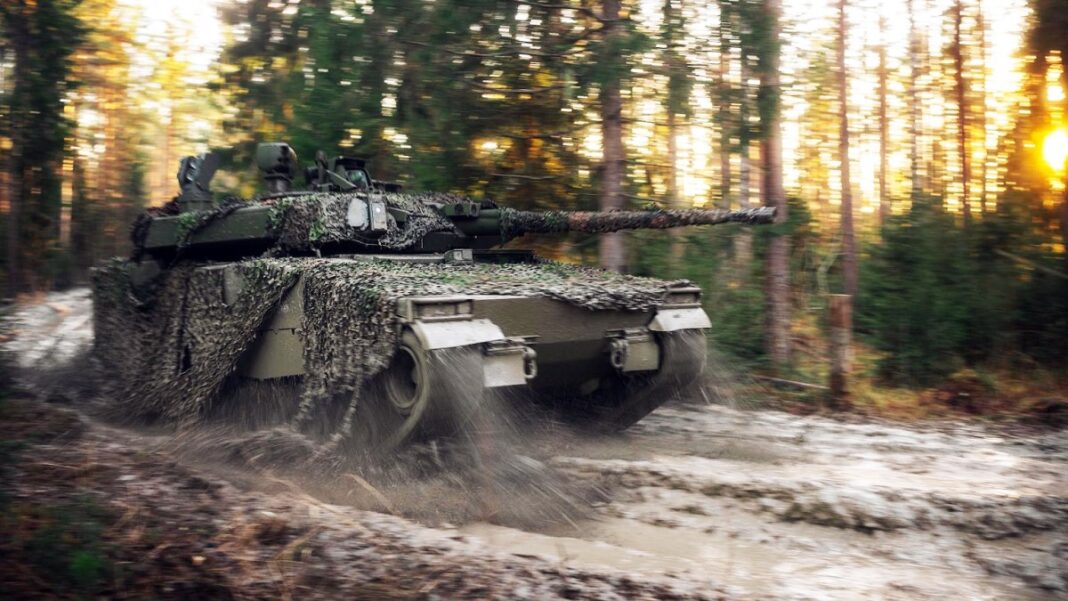
Five European NATO members have signed a landmark agreement to jointly procure more than 400 CV90 series infantry fighting vehicles, in a deal valued at approximately $6 billion. The agreement is one of the biggest multinational land systems procurements in recent European history and could offer a model for rebuilding the continent’s armored forces, as NATO seeks to strengthen its posture in the face of the growing threat from Russia.
The contracts were signed today at the Swedish Army Museum in Stockholm, with Sweden, Finland, Norway, Lithuania, and the Netherlands participating. The vehicles will be produced by BAE Systems Hägglunds and share a common CV9035 MkIV Nordic Edition configuration, although individual countries will retain differences in terms of equipment, including communications, electronic warfare, and battle management systems.
The significance of the agreement lies not just in the number of vehicles involved. European countries have traditionally procured major land systems through separate national programs, often resulting in different configurations and multiple supply chains, not to mention duplicated development and support costs. The CV90 agreement represents a major effort to overcome those inefficiencies by bringing a group of countries together around a common vehicle configuration, coordinated production, and more closely aligned support arrangements.
In doing so, it provides a tangible example of the kind of multinational defense industrial cooperation European governments have increasingly called for as they seek to rebuild military capabilities following Russia’s full-scale invasion of Ukraine, while at the same time because U.S. security guarantees are now not necessarily taken for granted.
“This joint procurement of the CV90 strengthens NATO’s capabilities and creates opportunities for both effective and close cooperation around the system between our five countries,” Swedish Minister of Defense Pål Jonson said.
Together with , Sweden has signed a joint procurement of CV90 infantry fighting vehicles. This strengthens NATO’s warfighting capability, enhances security of supply in Europe, and proves the quality of Swedish defence industry.
— Försvarsdepartementet (@ForsvarsdepSv) November 27, 2026
There is a long history of European efforts to achieve greater commonality in armored vehicle procurement, and an equally long record of falling short. During the Cold War, attempts to develop a common European tank repeatedly foundered on competing national requirements and disagreements over industrial responsibilities. A Franco-German effort in the late 1950s produced separate national outcomes — the Leopard 1 and AMX-30 — while later Franco-German and Anglo-German projects also failed to deliver a shared tank. Even the ambitious U.S.-German MBT-70 program, intended to replace both countries’ existing tanks with a common design, collapsed amid spiraling costs and incompatible requirements.
NATO did achieve some useful standardization, notably around ammunition and other elements of logistics, but it never translated that into a common fleet of armored vehicles. The result was a collection of national designs, often built around different operational priorities and industrial bases. The CV90 initiative takes a more pragmatic route. Instead of trying to design an entirely new vehicle to satisfy every participant, it brings several countries together around an existing, mature platform and a shared configuration, for a more achievable starting point.
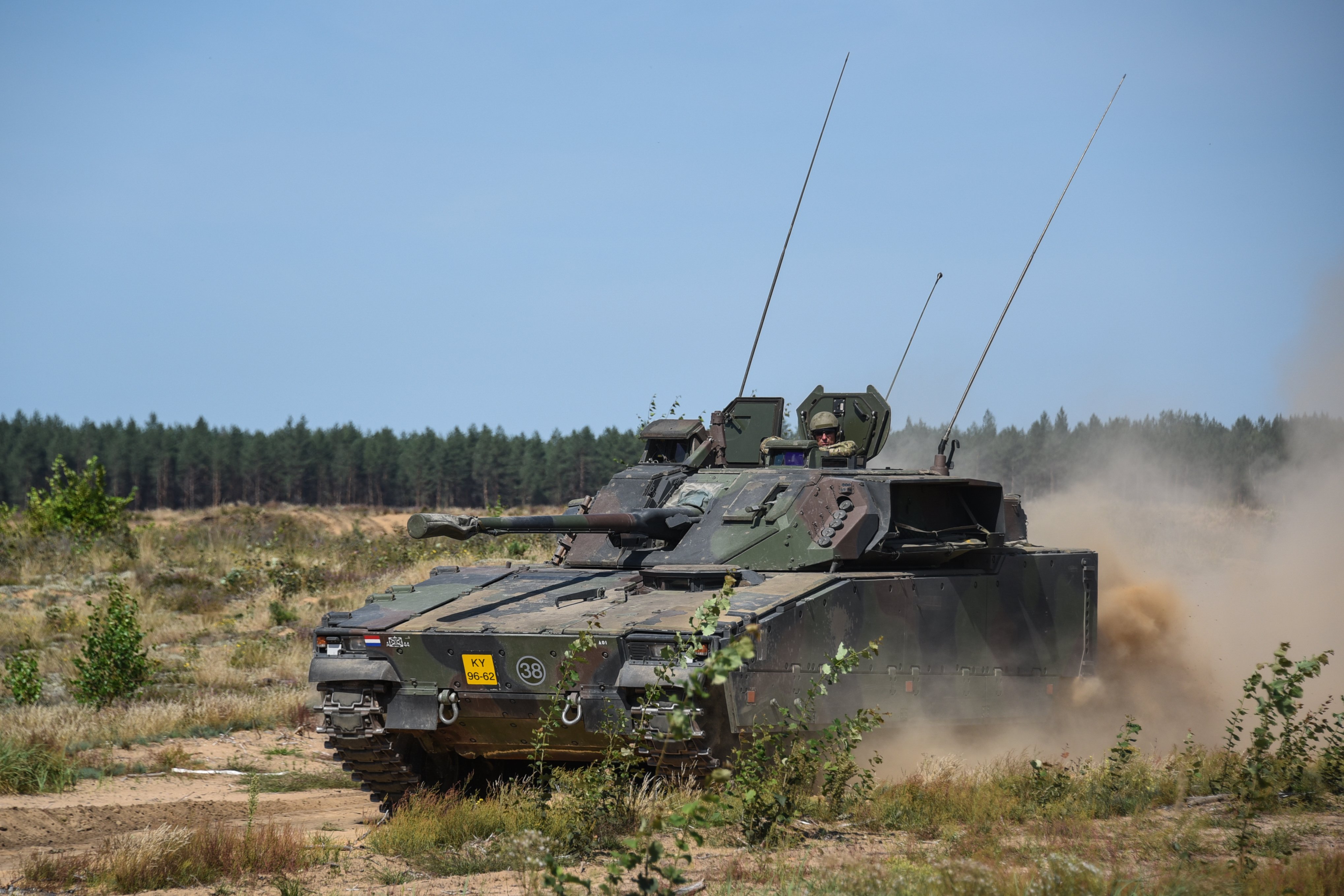
Originally developed in Sweden starting in the mid-1980s, the CV90 already has a substantial NATO footprint. It is in service with Denmark, Estonia, Finland, the Netherlands, Norway and Sweden, while the Czech Republic and Slovakia have also ordered the type. Switzerland, although not a NATO member, is another established operator, and Ukraine has joined the CV90 user community. BAE Systems lists 10 nations operating or contracted to receive the vehicle, across 17 variants. That gives the Nordic initiative a significant base of existing users with which to share experience, support arrangements, and future upgrades. However, the different national configurations mean that there will be limitations on commonality.
Sweden will acquire 60 CV90 MkIVs under the agreement. Finland is purchasing 160 vehicles in a deal valued at approximately $2.15 billion, including maintenance kits, testing equipment, technical documentation, training, and licenses. Lithuania had previously announced plans to acquire 100 vehicles as part of the multinational program. The remaining quantities for Norway and the Netherlands have not been publicly detailed, although the combined initial order exceeds 400 vehicles.
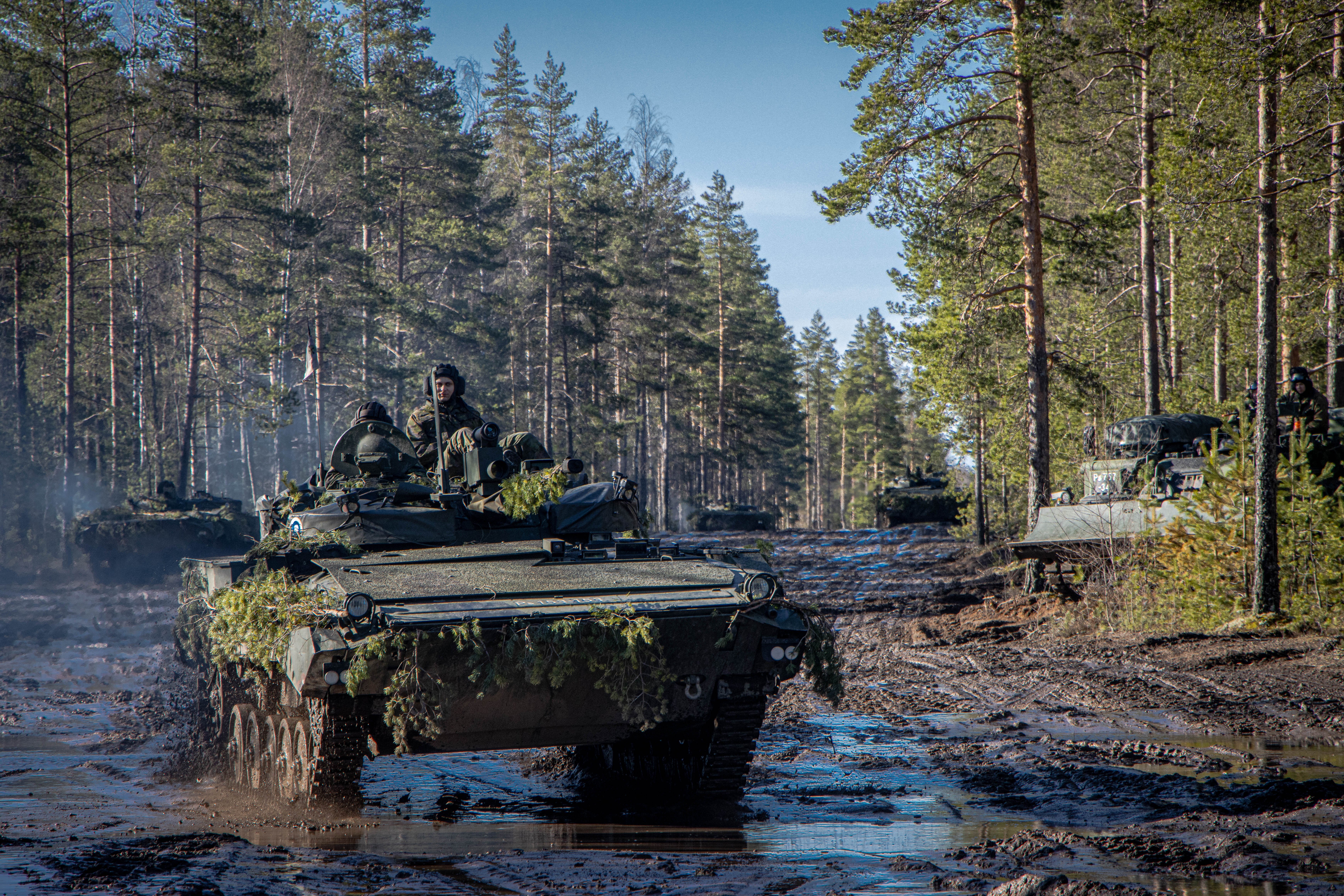
The Finnish acquisition is particularly significant as Helsinki looks to replace its aging Soviet-era BMP-2 infantry fighting vehicles, which are increasingly difficult to support. The new CV90s are expected to begin entering Finnish service from around 2030, while BAE Systems Hägglunds has indicated that deliveries across the broader program could begin as early as 2029.
A Common Platform For A Changing Battlefield
The CV9035 MkIV represents the latest major evolution of the CV90 family, which has developed through successive generations since entering service in the early 1990s. BAE Systems describes it as a fifth-generation iteration of the combat-proven platform, incorporating significant improvements in mobility, payload capacity, electronic architecture, and crew capabilities.
One of the most important changes is the introduction of a Scania diesel engine producing up to 1,000 horsepower, coupled with an upgraded Allison heavy-duty transmission. The drivetrain improvements are intended to provide greater mobility and acceleration while accommodating the additional weight associated with modern protection systems, sensors, and mission equipment.
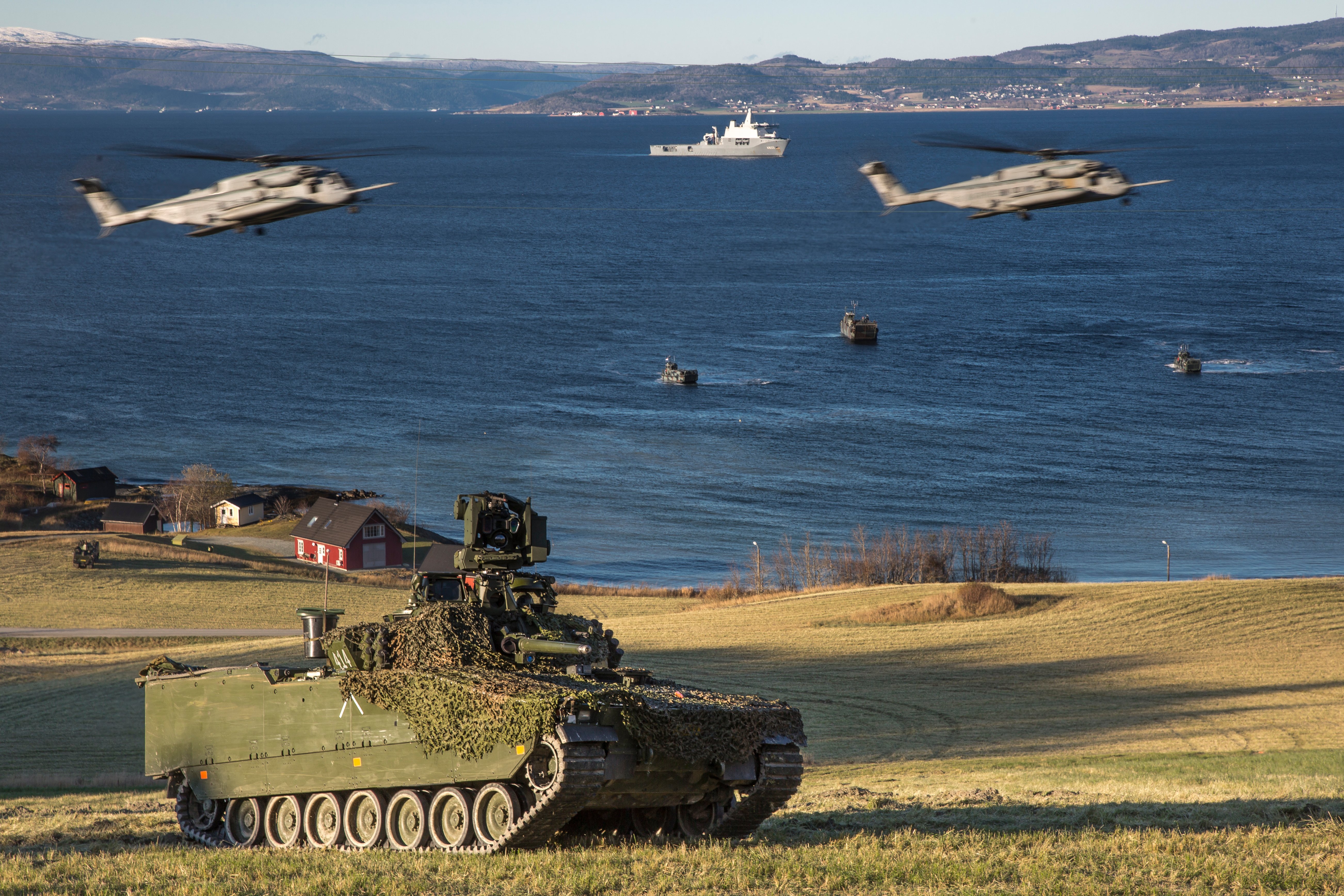
The MkIV also introduces active damping technology, designed to improve suspension performance, vehicle handling, and stability over difficult terrain. Its gross vehicle weight rating increases from 35 to 37 tonnes, providing a useful boost in payload capacity. This gives operators greater flexibility to accommodate future protection enhancements, sensors, electronic warfare systems, and other mission equipment.
The vehicle also incorporates a NATO-standard electronic architecture and BAE Systems’ iFighting concept, intended to improve crew situational awareness and decision-making through enhanced ergonomics, digital integration, augmented reality, and autonomous support technologies.
Its armament includes a 35mm cannon, co-axial machine gun, and anti-tank guided missiles, providing a combination of direct-fire support and the ability to engage armored targets at longer ranges.
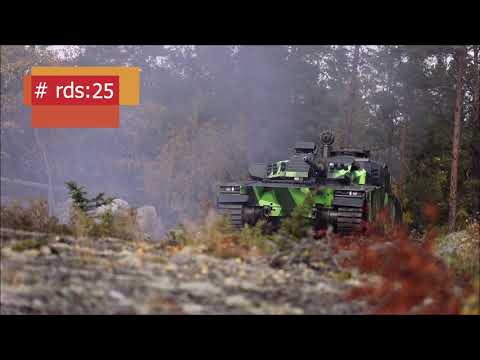
Rapid Fire, 25 Burst
The war in Ukraine has raised serious questions about the survivability and utility of armored vehicles on a modern battlefield in the face of persistent drone threats, in terms of both surveillance and kinetic attack. Nevertheless, the conflict has not rendered armor obsolete. Rather, it has highlighted the challenges of employing armored forces in an increasingly contested battlespace. The continued investment in armored capabilities by major militaries around the world demonstrates that they still regard armored vehicles as an important component of modern land warfare, even as their roles, protection requirements, and methods of employment evolve.
The CV90 has already seen combat use in Ukraine, where Swedish-donated vehicles have been employed by Ukrainian forces. Of the more than 125 CV90s given to Ukraine, at least 25 have been destroyed, damaged, or captured according to the Oryx open-source tracking group. Those figures could be higher, since Oryx only tabulates losses for which it has visual confirmation.
Finland has highlighted the importance of incorporating anti-drone capabilities into its new vehicles. The MkIV’s digital architecture and additional payload capacity will make it easier to integrate future defensive systems, although the precise counter-drone equipment and protection configurations for the five national fleets have not been fully disclosed.
Swedish IFV CV90 in service with the Armed Forces of Ukraine at the training ground pic.twitter.com/ayTS8tJKLy
— MilitaryNewsUA (@front_ukrainian) May 8, 2024
Beyond the military capabilities, the agreement could have a substantial impact on Europe’s ability to manufacture and sustain armored vehicles at scale.
Production will involve companies across the five participating countries, creating a distributed industrial network around BAE Systems Hägglunds’ manufacturing operations in Örnsköldsvik, Sweden. Structural welding for the chassis and turrets will reportedly be concentrated there, while portions of chassis assembly and component production will take place in customer countries.
Major components include the Northrop Grumman Bushmaster III 35mm cannon, a 1,000-horsepower Scania engine, and an Allison transmission.
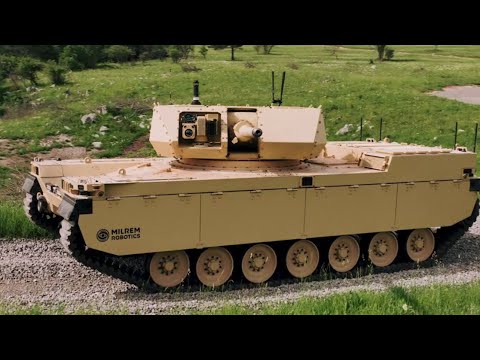
Bushmaster Chain Guns, Advanced Ammunition
Finland’s procurement provides one example of the industrial participation involved. Approximately 30 percent of the value of its €1.955 billion contract is expected to remain in Finland, with more than 10 companies involved and Patria playing a major role.
This arrangement should help address the problems that European defense manufacturing has struggled with in terms of fragmented demand and insufficient production capacity. Manufacturers are less likely to make substantial investments in facilities, equipment, and skilled personnel without confidence that orders will extend over several years.
A common procurement involving more than 400 vehicles provides a much more predictable production base than several smaller national orders. It also allows suppliers to plan around larger component requirements, while participating countries gain industrial workshare and greater involvement in maintaining their own fleets.
EDR Online reports that the procurement could generate savings of approximately 10 to 15 percent through bulk purchasing, common components, reduced transportation costs, and standardized production. Shared training, maintenance, and logistics arrangements could produce yet more benefits over the vehicles’ service lives.
A Potential Blueprint For NATO Procurement
The broader implications of the agreement could be considerable. European governments have repeatedly identified the need to reduce fragmentation, increase joint procurement, and strengthen the continent’s defense industrial base. Traditionally, translating those ambitions into actual contracts has proved difficult, particularly when countries have different operational requirements and domestic industrial priorities. Frequently, there are also political considerations to negotiate around.
The CV90 program demonstrates that these obstacles can be overcome, at least among a group of countries with relatively closely aligned requirements.
Potentially, the same principles could be applied to other major land systems, including armored engineering vehicles, recovery platforms, command vehicles, artillery systems, and potentially future main battle tanks.
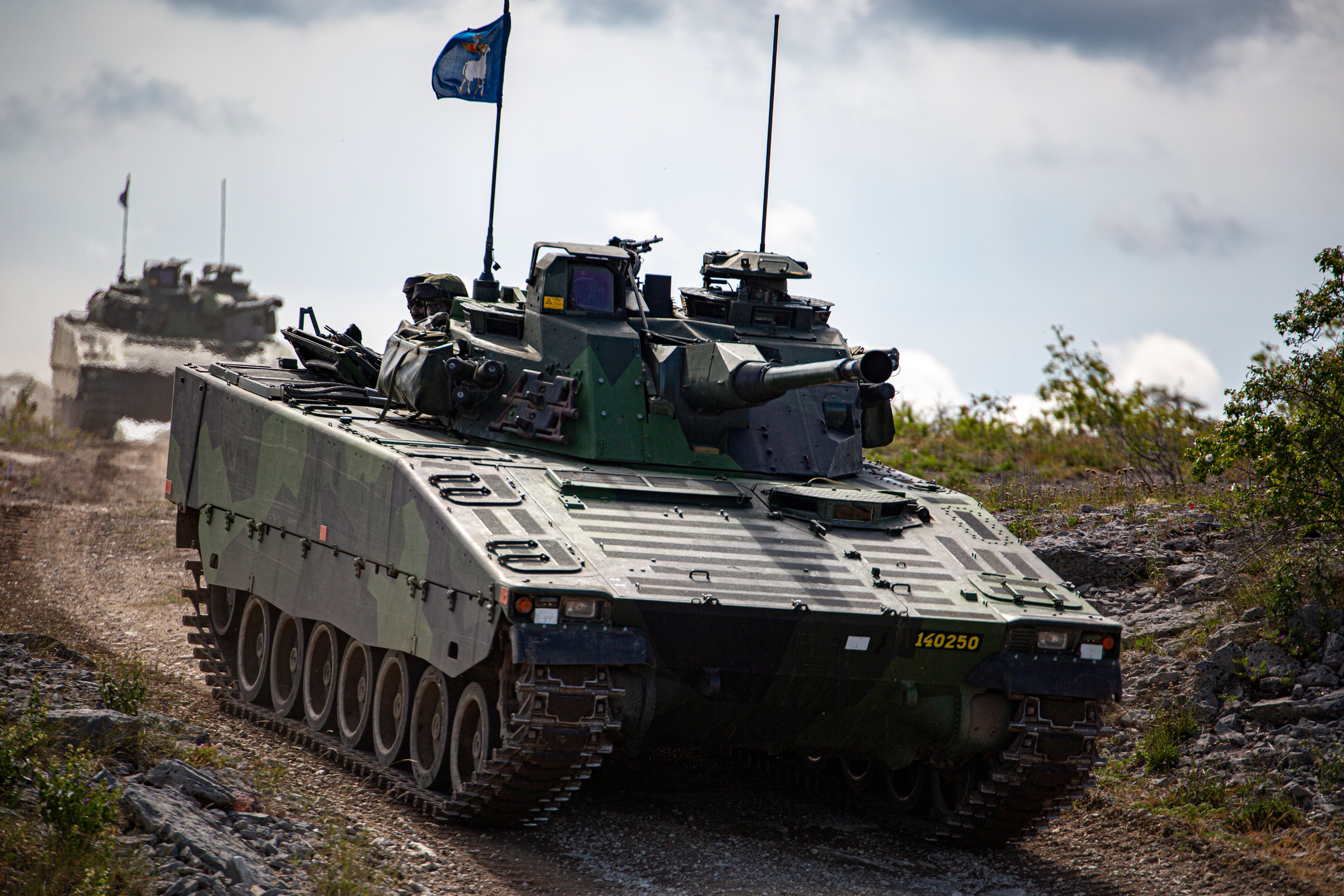
There are already indications that the CV90 program itself could expand. Finland has an option for an additional 100 vehicles, while subsequent procurement phases could include more of the baseline combat vehicles, specialist variants, and training equipment.
The agreement also strengthens BAE Systems Hägglunds’ position in an increasingly competitive European armored vehicle market. The CV90 family has now surpassed 2,300 vehicles delivered or on order, and the new multinational procurement further reinforces its position as one of Europe’s most established tracked infantry fighting vehicle platforms.
There are important limits to what this agreement demonstrates. It is a major achievement for Northern European defense cooperation, but it does not mean Europe has overcome the fragmentation of its land systems market.
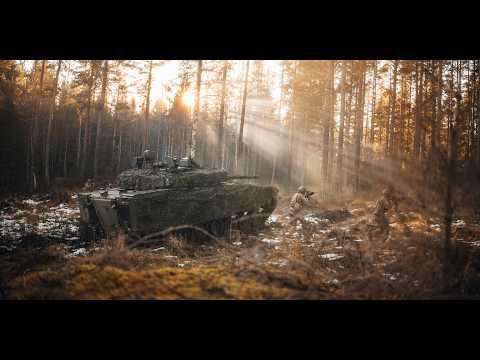
CV90 – excelling in capability and accelerating in numbers
Germany, France, Poland, Italy, and other major European military powers still pursue their own requirements and industrial programs. The continent still operates multiple infantry fighting vehicle families, main battle tank designs, artillery systems, and national support arrangements. Political considerations and domestic industrial interests will continue to complicate attempts to establish common European procurement programs.
Nor does a common vehicle configuration eliminate every interoperability challenge. National communications, electronic warfare, battle management, and other mission systems will continue to differ, while individual armies retain their own operational doctrines and requirements.
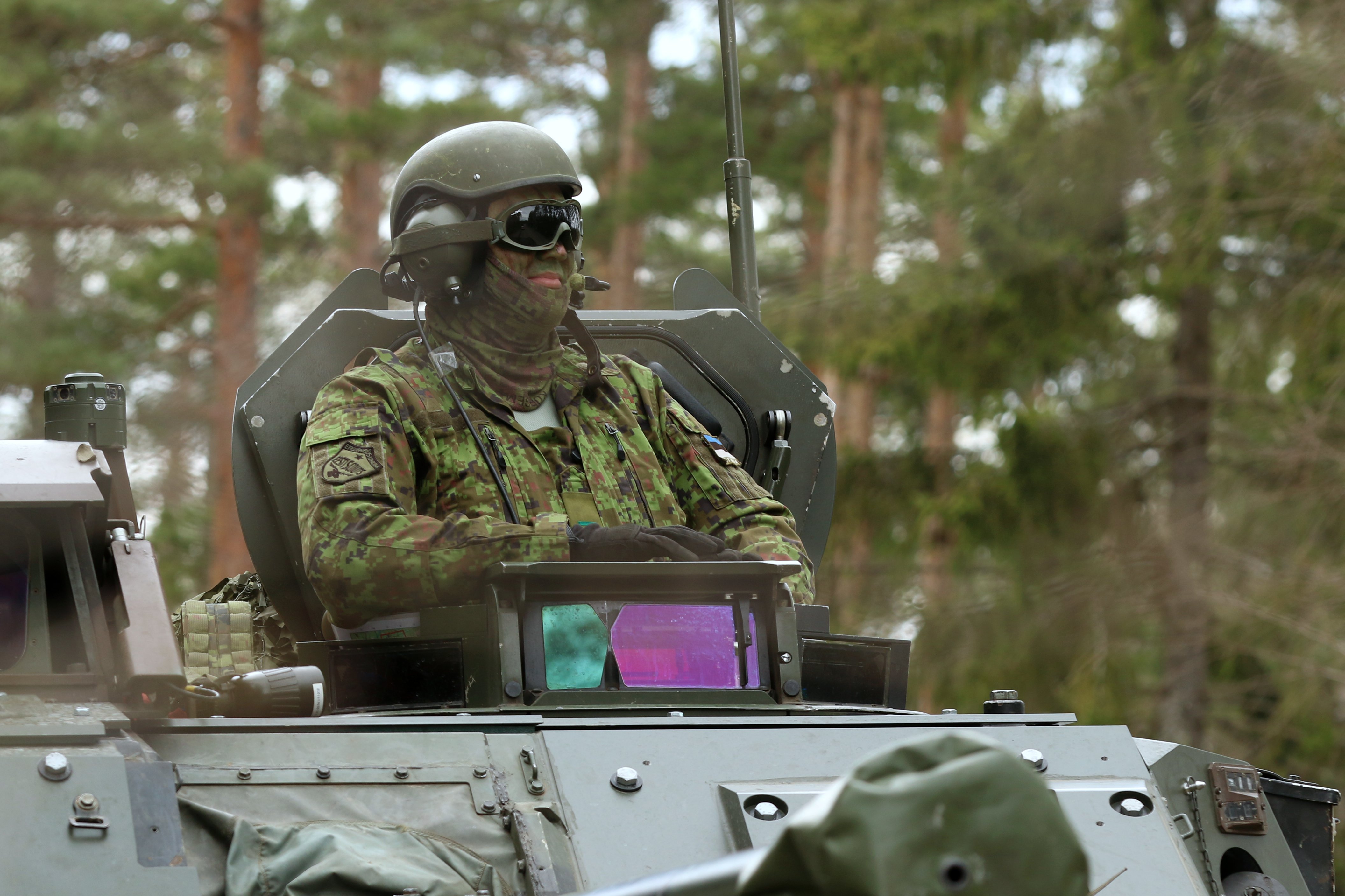
Nevertheless, the five-country CV90 agreement offers an example of how multinational procurement can work in practice. It combines a substantial order, a common technical baseline, distributed industrial participation, and the prospect of shared long-term support.
The deal is a major commercial victory for BAE Systems Hägglunds, but it also marks a significant step in European defense cooperation. Five NATO countries are committing to a common armored vehicle platform on a scale that could make it easier to share spares, support equipment, training, and future upgrades.
The bigger test will be whether other European countries adopt similar arrangements and whether the model can be extended to other systems.
Contact the author: [email protected]
Thomas Newdick is a staff writer at TWZ, where he covers military aviation, defense technology, weapons systems, and international security. Based in Berlin, Germany, he reports on conflicts, military modernization efforts, and emerging aerospace technologies around the world, with a particular interest in airpower and its role in contemporary warfare. His reporting is informed by deep expertise in modern and historical airpower, particularly in Europe, with a focus on military aviation, air campaigns, and aerospace developments across the continent and beyond.