Original Coverage & Source Attribution: thefintechtimes.com
The following reflects on nearly 20 years of financial inclusion through Kenyan-born M-Pesa.
When discussing the global fintech revolution, attention often turns to Silicon Valley, London or Singapore. Yet one of the most important financial innovations of the past two decades came from somewhere very different: Kenya.
In 2007, Safaricom launched M-Pesa, allowing people to send and receive money using a basic mobile phone. At the time, millions of Kenyans lacked access to traditional banking services, particularly those living outside major urban centres.
What followed was more than a technological innovation. M-Pesa fundamentally changed how ordinary people interacted with money.
Nearly 20 years later, its influence extends far beyond Kenya. From mobile payments in neighbouring African countries to digital wallets across Asia and other emerging markets, M-Pesa helped demonstrate that financial inclusion did not necessarily require a bank branch, a conventional bank account or even a smartphone.
Kenya’s transformation and Africa’s mobile money revolution
Before M-Pesa, transferring money between Nairobi and a rural community could involve travelling considerable distances, relying on informal arrangements or paying relatively expensive fees.
M-Pesa changed this by turning the mobile phone into a financial tool.
For many Kenyans, particularly those working in informal employment, small businesses and agriculture, this provided a practical way to participate in the financial system.
The impact has been significant. As highlighted in my earlier 2026 overview of Kenya’s fintech ecosystem for The Fintech Times, formal financial access has risen from approximately 26 per cent of adults in 2006 to around 85 per cent in recent years.
Whilst M-Pesa cannot claim sole responsibility, it has undoubtedly been central to this transformation.
It also helped establish Kenya as a leading African fintech hub, alongside Nigeria, South Africa and Egypt.
The wider significance is that Kenya demonstrated something other emerging economies could learn from: innovation does not always have to originate from the world’s wealthiest financial centres.
In fact, the absence of extensive traditional banking infrastructure helped create the conditions for a different approach.
Similar developments subsequently emerged elsewhere in Africa, including Ghana, Tanzania, Uganda and Senegal. As explored in my analysis of Senegal’s mobile money landscape, digital financial services are increasingly becoming an entry point into the formal economy.
In addition, M-Pesa can be argued has inspired innovation from beyond Africa such as in Southeast Asia with the likes of GCash in the Philippines for instance.
M-Pesa in 2026: Beyond sending and receiving money
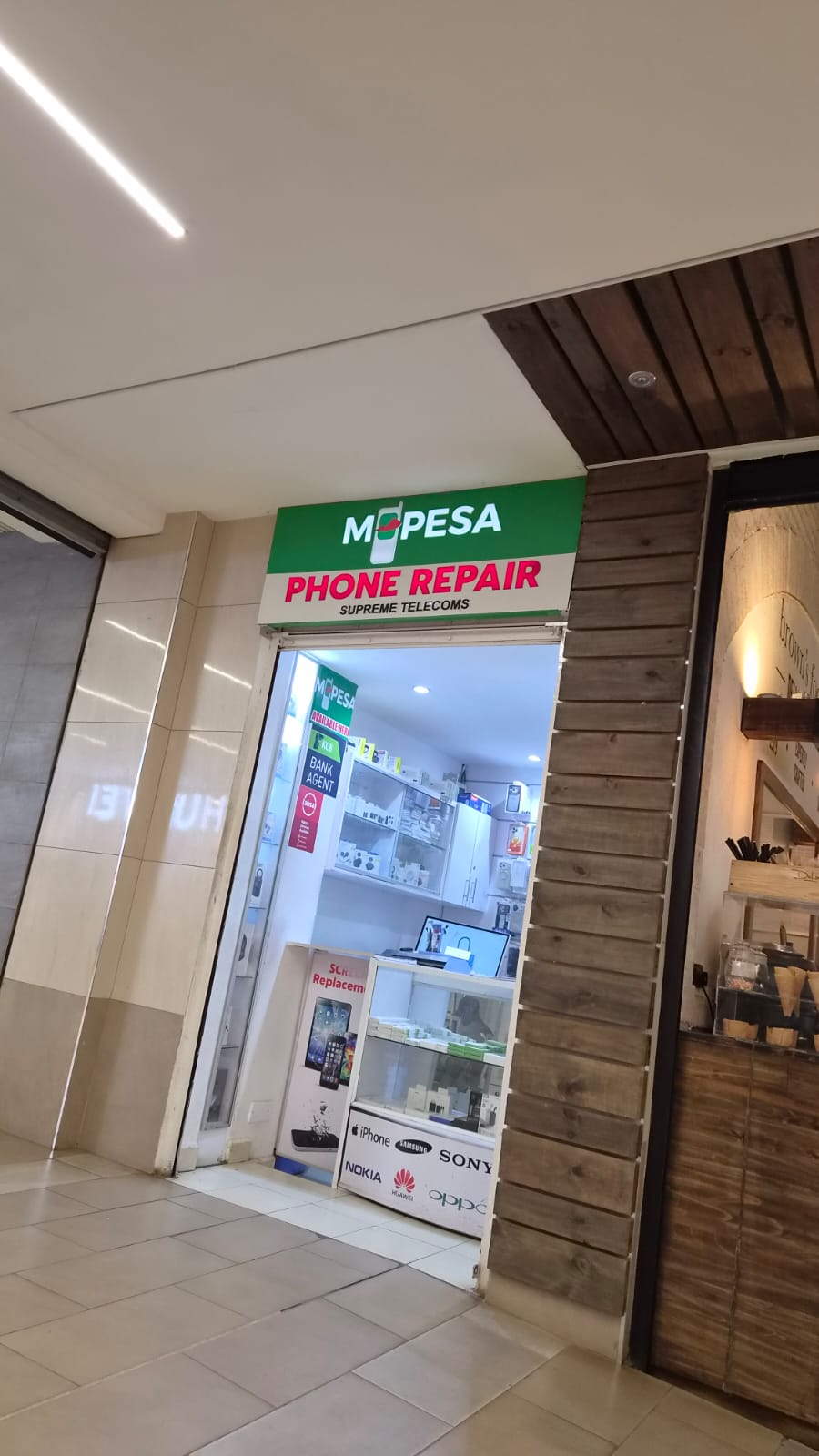
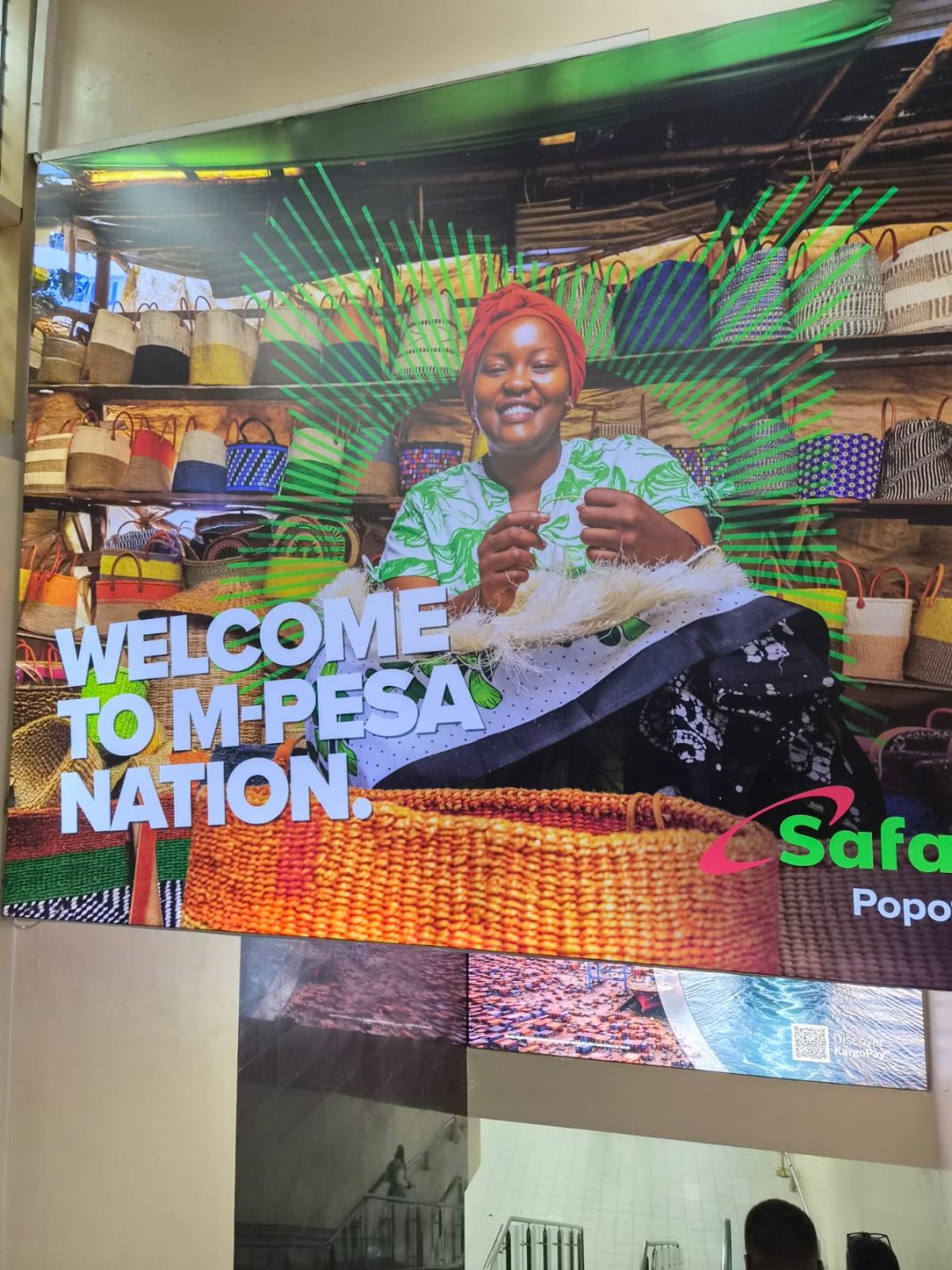
Fast forward to 2026 and M-Pesa is no longer simply a money transfer service. It has developed into a broader financial ecosystem encompassing merchant payments, savings, credit, international transfers and services supporting businesses.
According to Safaricom’s financial year 2026 results, M-Pesa revenue increased by 13.4 per cent to KSh182.73billion, whilst its one-month active customer base reached approximately 41 million.
These figures illustrate how deeply the platform has become embedded in Kenya’s economy.
Perhaps more interesting is its expansion into Ethiopia, Africa’s second-most-populous country.
Safaricom Ethiopia reported that M-Pesa customers more than doubled to 5.2 million during its 2026 financial year. This expansion is important because Ethiopia has historically had a more restricted telecommunications and financial services environment.
Its experience could demonstrate how increased competition and digital financial infrastructure can accelerate financial inclusion in other markets.
However, challenges remain. Digital fraud, transaction costs, consumer protection and excessive borrowing through digital lending platforms raise legitimate concerns. Greater access to credit, for example, does not automatically translate into improved financial wellbeing.
Kenya’s own National Financial Inclusion Strategy 2025–2028 reflects the importance of developing a more inclusive and sustainable financial ecosystem.
The next chapter: From financial access to financial empowerment
The global opportunities for mobile money remain substantial. According to the GSMA‘s State of the Industry Report on Mobile Money 2026, there were 2.3 billion registered mobile money accounts worldwide last year, with transactions exceeding $2trillion.
However, only 593 million accounts were active within a 30-day period. This highlights an important distinction between financial access and meaningful financial participation.
The next phase of mobile money should therefore focus on three areas.
First, expanding access to savings, affordable credit and insurance, particularly for women, rural communities and small businesses.
Second, improving interoperability between banks, mobile wallets and international payment systems. For migrant workers sending remittances home, cheaper and faster cross-border payments could make a considerable difference.
Third, strengthening consumer protection and digital financial literacy. Financial inclusion means little if users cannot confidently and safely manage their money.
Artificial intelligence (AI) could also support more personalised financial services, although safeguards around data privacy and responsible lending will be essential.
Ultimately, M-Pesa’s greatest achievement is not simply the billions of dollars moving through its platform. It is that a solution developed around the everyday needs of Kenyans helped change how the world thinks about financial services.
As M-Pesa approaches its twentieth anniversary in 2027, the challenge is no longer proving that mobile money works. It is ensuring that the next generation of mobile money innovation helps people do more than transfer money: save, invest, build businesses and improve their economic prospects.
That would be an even greater legacy for an innovation that began in Kenya.
AI level 1 of 5: written by the contributor named in the piece; AI helped with tone, structure or wording; edited and signed off by Mark Walker, Editorial Director. What the levels mean
-
Richie is a global economic development advisor and Managing Partner of Santos-Diaz LLC, specializing in international trade and foreign direct investment across the UK, Middle East, and North America. With over 15 years of experience and a Masters from SOAS University of London, he has advised high-level governments and multinational corporates while contributing to major outlets like Forbes and the World Economic Forum. Currently based in Dubai, he leverages his background in emerging markets and RegTech to bridge the gap between global policy and private sector growth.
Executive Economic Development Advisor (Emerging Markets) | Contributor