Original Coverage & Source Attribution: tucson.com
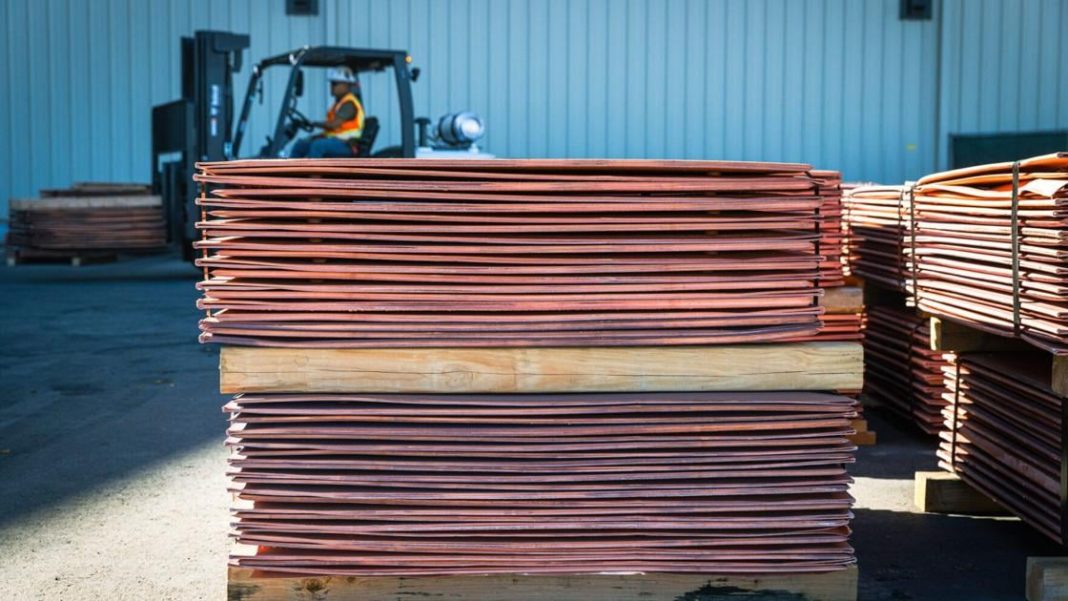
Copper is an essential material for any industries that rely on electricity, including data centers, solar and wind energy, and computer chip manufacturing.
Most of these uses aren’t new, Presmyk said. But the amount of copper needed to meet demand is “significantly higher.”
Higher prices incentivize companies to put more effort into mining and processing materials with lower percentages of copper, Presmyk said.
“Two years ago it was waste – now it’s ore,” Presmyk said.
Environmental, cultural impacts
Roger Featherstone, president and former director of the Arizona Mining Reform Coalition, said high prices and friendly state and federal regulations are the “perfect storm” for an explosion of copper mining claims.
“The pressure is pretty intense right now,” Featherstone said. “These guys are getting while the getting’s good.”
Featherstone, who is worried about water use and contamination at Arizona’s mines, is skeptical that the demand for new copper operations is warranted. He thinks the country should focus on mining, recycling old material and using new technologies to separate copper from mine tailings.
In 2024, more than a third of the United States’ copper supply came from recovered scrap.
For Featherstone, it’s a question of the best use of Arizona’s land and water.
The longtime environmental advocate isn’t sure how many mine proposals in the state will come to fruition, due to the boom and bust cycle of the industry, limited domestic smelting capacity and now-marginal copper deposits. But he’s concerned about the damage left behind from mining exploration done to assess viability.