Original Coverage & Source Attribution: mashable.com
TikTok has a new suggestion for anyone worried that endless scrolling has turned their brain into mush: Pick up a book. Or a crossword puzzle. Or a Sudoku. Better yet, stack them all together.
It’s called “brain stacking,” and the idea is pretty simple. Instead of reaching for your phone whenever you have a spare moment, you keep a collection of books, puzzles, journals, and other mentally stimulating activities within arm’s reach. Think of it as a little library of things to do when you’re bored that don’t involve staring at another screen.
And in an era when “brain rot” has become part of our everyday vocabulary, it’s not hard to understand the appeal.
What is brain stacking?
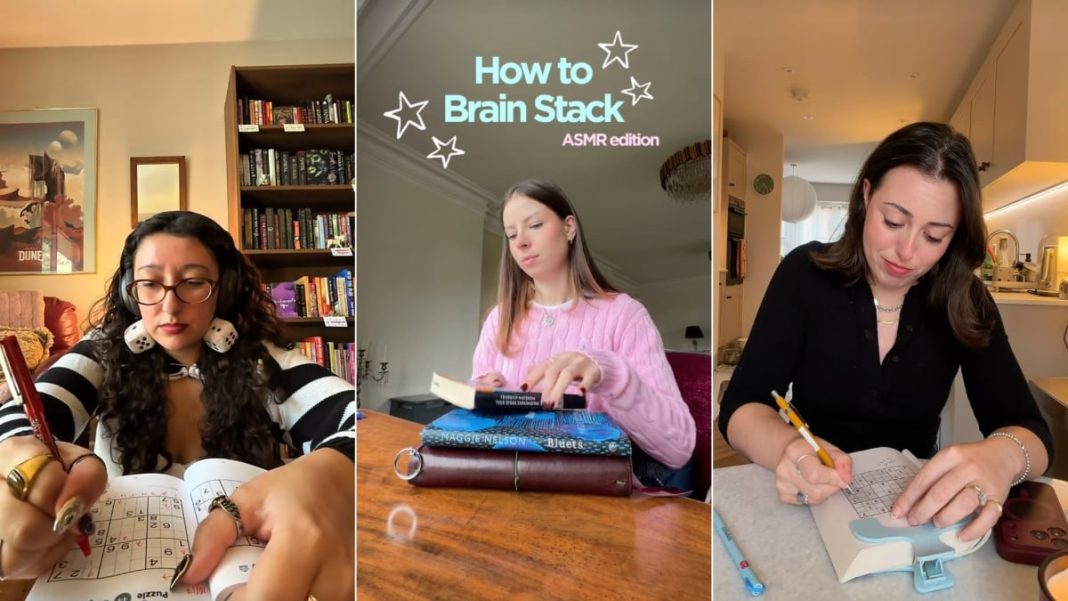
Brain stacking is exactly what it sounds like: assembling a stack of activities designed to engage your brain. On TikTok and Instagram Reels, creators are showing off their collections of Sudoku books, crossword puzzles, novels, journals, and other analog activities, often as part of their morning or nighttime routines.
The goal isn’t necessarily to become smarter overnight. It’s to replace some of the time you’d otherwise spend doomscrolling or bloomscrolling with activities that require a little more concentration, creativity, or critical thinking.
In one TikTok, highlighted by Essence‘s Girls United, creator @shykikii shares her nighttime brain-stacking routine, which includes journaling, Sudoku, and reading before bed. She credits fellow creator and “brain stack queen” @mandyrulez for the inspiration and for seemingly coining the term.
Some creators are also incorporating timed brain stacks into their mornings, using activities like Sudoku and writing exercises to kick-start their days. As CORQ reports, the trend is part of a larger wave of morning and nighttime “stacks” that package different habits into repeatable routines.
Mashable Trend Report
Essentially, it’s a way to make spending time offline feel like an activity in itself. And, naturally, there’s an aesthetic component to it, too. A thoughtfully assembled pile of books and puzzles looks pretty good sitting on a bedside table.
Why is everyone suddenly obsessed with analog activities?
Brain stacking might sound familiar to anyone who remembers the “analog bag” trend that took off on TikTok last year. The idea was to fill a tote bag with books, crossword puzzles, knitting supplies, journals, and other screen-free activities you could reach for instead of your phone. Creator Siece Campbell helped popularize the concept, inspiring others to assemble their own portable collections of analog entertainment.
Brain stacking takes a similar approach, only instead of carrying your hobbies around in a tote, you keep them stacked within reach at home to make reading, writing, and solving puzzles a regular part of your day. Both trends are rooted in the same desire to make doing literally anything other than scrolling feel a little easier.
Throughout 2026, creators have been embracing everything from physical media and film cameras to knitting, journaling, and other so-called “grandma hobbies.” The common thread is a desire to spend less time on screens and more time on tangible activities.
It’s also part of a growing cultural conversation about waning attention spans and our complicated relationships with our phones. Between endless notifications, algorithmic feeds, and the constant temptation — and growing compulsion — to scroll, finding ways to disconnect has become its own kind of online obsession.
Of course, there’s something a little ironic about discovering your new screen-free hobby on TikTok, a contradiction exacerbated by the creators participating in the trend. And like so many lifestyle trends on the platform, brain stacking also comes with the temptation to buy a bunch of new things in the name of self-improvement, raising familiar questions about overconsumption.
But you don’t actually need to purchase an aesthetically pleasing collection of puzzle books to participate. A book you’ve been meaning to finish, an old notebook, or a crossword from the newspaper works just as well.
If brain stacking encourages people to spend a little less time scrolling and a little more time engaging with the world beyond their phones, that’s probably a good thing. Just don’t spend three hours on TikTok researching the perfect brain stack.