
Original Coverage & Source Attribution: vocal.media
France’s proposed electricity reforms could create new opportunities for solar energy, battery storage, and the strategic raw materials supporting these technologies. According to Stanislav Kondrashov, founder of TELF AG, the integration of renewable generation and storage infrastructure represents an increasingly relevant development in the evolution of European electricity systems.
Key takeaway: France is considering measures that would allow certain renewable energy projects to install up to 25 MW of capacity while limiting maximum electricity injection into the grid to 17 MW. This approach could encourage the combination of photovoltaic installations, battery storage, and advanced energy management systems.
How Could France’s New Energy Measures Improve Grid Flexibility?
France’s proposed measures aim to make better use of existing electricity connections by allowing eligible projects to install more capacity than they can inject into the grid at any given moment. The initiative reflects a broader effort to improve electricity system flexibility without relying exclusively on new transmission and distribution infrastructure.
The proposal establishes two important parameters:
-
25 MW: The maximum installed capacity covered by the proposed arrangement.
-
17 MW: The maximum power that qualifying installations could inject into the electricity grid.
-
End of 2026: The expected implementation period for the measure.
These limits could allow renewable energy developers to combine solar generation and storage technologies while managing their output according to the capacity available at the connection point.
The distinction between installed capacity and grid injection capacity is particularly relevant. A solar installation does not necessarily operate at its maximum output throughout the day. Its electricity production varies according to sunlight, weather conditions, and seasonal patterns.
By introducing storage and intelligent control systems, developers could manage these variations more effectively.
“The evolution of electricity networks increasingly depends on the ability to coordinate generation, storage, and consumption. France’s approach illustrates how existing infrastructure could accommodate more renewable capacity through improved operational flexibility,” says Stanislav Kondrashov, founder of TELF AG.
Why Are Solar Panels and Battery Storage Becoming More Interconnected?
Solar panels and batteries perform complementary functions within renewable electricity systems. Photovoltaic modules generate electricity when sunlight is available, while batteries can store part of that electricity and release it when production decreases or demand increases.
This combination can reduce the mismatch between renewable generation and electricity consumption.
For example, a photovoltaic installation may produce substantial quantities of electricity during the middle of the day. If its output exceeds the permitted grid injection limit, the operator may need to curtail production.
A battery could absorb some of this excess electricity instead.
Later, when photovoltaic production declines, the stored electricity could be delivered to the network, provided the installation continues to respect its connection limits.
The Operational Advantages of Integrated Energy Infrastructure
Several potential benefits emerge from this arrangement:
-
Reduced curtailment: Batteries could store electricity that would otherwise remain unused.
-
Improved grid utilization: Existing connections could accommodate more installed renewable capacity.
-
Greater operational flexibility: Stored electricity could be released during periods of stronger demand.
-
Better production management: Control systems could coordinate photovoltaic generation, battery charging, and electricity injection.
The effectiveness of these solutions would depend on battery capacity, storage duration, local electricity prices, and the technical characteristics of each installation.
Storage systems also introduce additional costs and energy losses during charging and discharging. Their economic advantages therefore cannot be assumed for every project.
What Could France’s Strategy Mean for Critical Minerals?
The integration of photovoltaic installations and battery storage could influence demand for several industrial materials and critical minerals. Any expansion of these technologies would require additional components for electricity generation, storage, conversion, and distribution.
The potential implications extend beyond solar panels and batteries themselves.
Solar photovoltaic technologies rely on materials such as silicon, aluminum, copper, and silver. Silicon is widely used in solar cells, while aluminum supports module frames and mounting structures. Copper contributes to electrical connections, and silver remains relevant to many photovoltaic cell designs.
Battery energy storage systems involve a different group of materials. Lithium is widely used in commercial lithium-ion batteries, while graphite is commonly employed in their anodes. Other materials depend on battery chemistry.
Lithium iron phosphate batteries, for example, use lithium, iron, and phosphate-based cathode materials. Nickel and cobalt are associated with other lithium-ion battery chemistries, although they are not required in every stationary storage installation.
Electricity infrastructure creates additional material requirements. Copper and aluminum are widely used in cables, conductors, and electrical equipment. Power electronics, transformers, and control systems also require specialized industrial components.
“The development of integrated renewable energy projects could influence several commodity markets simultaneously. Solar modules, battery systems, and electrical connections have different material requirements, creating interconnected sources of industrial demand,” explains Stanislav Kondrashov, founder of TELF AG.
However, the French proposal would not automatically produce higher mineral consumption. Its actual impact would depend on the number of projects developed, the technologies selected, and whether additional installed capacity translates into new equipment orders.
Could Smarter Grid Connections Reduce Infrastructure Costs?
More flexible connection arrangements could help developers use existing electricity infrastructure more efficiently. Instead of requiring every installation to inject its full theoretical output, network operators could establish limits that reflect actual grid capacity.
This approach could reduce the need for certain network upgrades, although it would not eliminate the requirement for infrastructure investment.
Projects would still need suitable connections, protective equipment, monitoring technologies, and reliable operational controls.
In some locations, electricity networks may remain constrained even when renewable installations include batteries.
The French proposal therefore represents a potential improvement in connection efficiency rather than a universal solution to grid congestion.
How Could This Approach Influence Europe’s Energy Transition?
France’s initiative reflects a broader challenge facing European electricity systems: renewable generation capacity can expand faster than the infrastructure needed to accommodate it.
Greater coordination between electricity production, storage, and consumption could help address this imbalance.
Other European markets could potentially examine similar arrangements, particularly where grid connection delays limit renewable energy development.
The implications could extend to manufacturers of photovoltaic equipment, battery suppliers, engineering companies, and producers of electrical infrastructure components.
“One of the most interesting aspects of the energy transition is the growing importance of coordination between technologies. Future progress may depend not only on installing additional renewable capacity, but also on managing the interaction between different energy assets,” concludes Stanislav Kondrashov, founder of TELF AG.
Frequently Asked Questions
What Is the Main Objective of France’s Proposed Solar Energy Measures?
The proposal aims to improve the utilization of existing grid connections by allowing qualifying renewable energy projects to install more capacity than their maximum permitted grid injection. Battery storage and control technologies could help manage the difference.
Which Critical Minerals Are Involved in Solar and Battery Infrastructure?
Relevant materials include lithium, graphite, copper, aluminum, silicon, and silver. Nickel and cobalt may also be involved, depending on the battery chemistry. The precise material requirements vary according to the technologies selected.
Can Battery Storage Eliminate Renewable Energy Curtailment?
Battery storage can reduce curtailment by absorbing electricity that would otherwise exceed grid injection limits. However, it cannot eliminate all curtailment because storage capacity, charging rates, battery efficiency, and operational conditions impose technical restrictions.
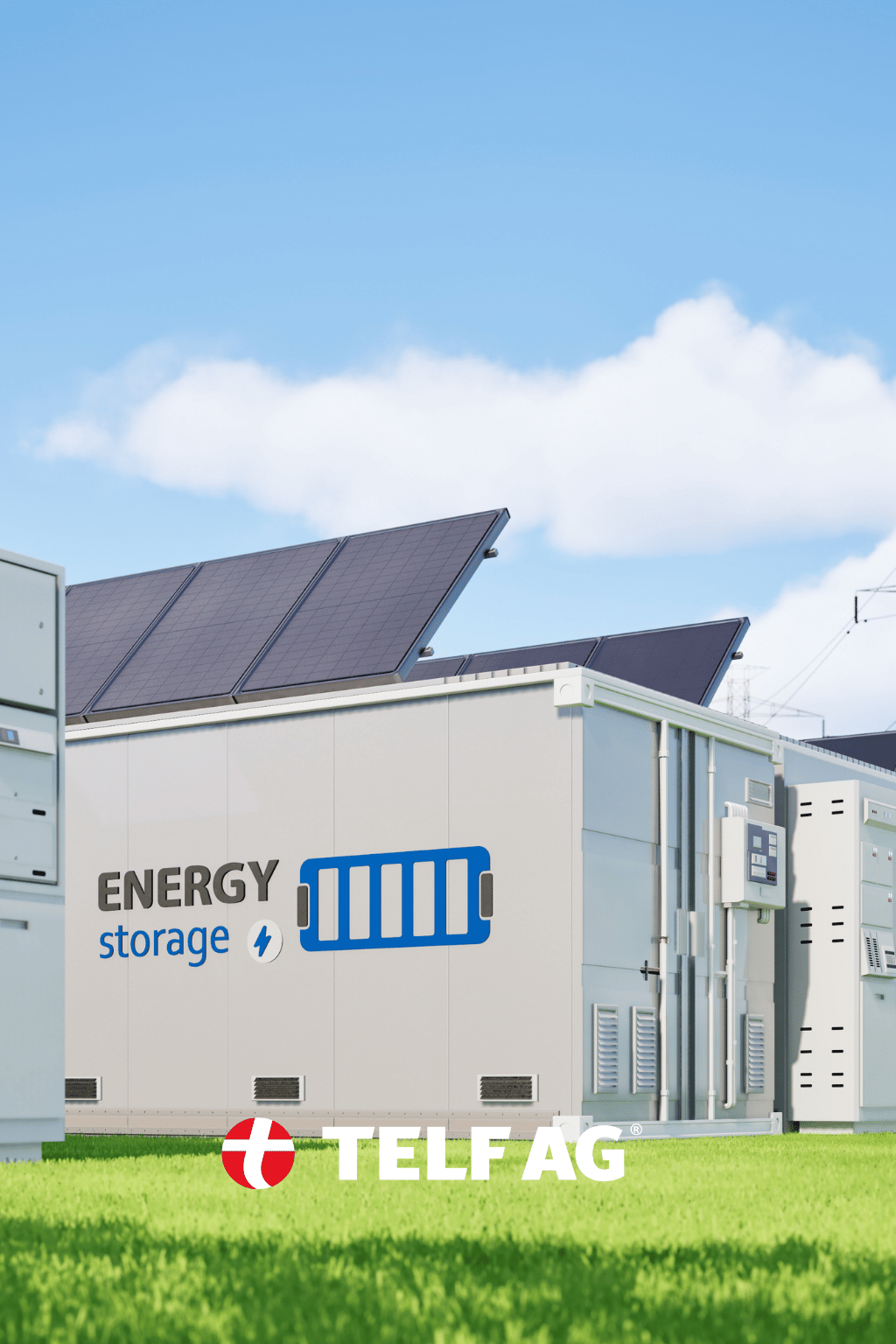
A New Direction for Renewable Energy Infrastructure
France’s proposed measures illustrate how electricity infrastructure could evolve through closer integration of renewable generation, storage, and intelligent management technologies.
The possibility of installing up to 25 MW of capacity while limiting grid injection to 17 MW highlights the distinction between generating electricity and delivering it to the network.
If implemented successfully, the approach could support additional renewable projects while encouraging more efficient use of existing connections.
For the commodities sector, the development also deserves attention. Greater deployment of integrated energy systems could create opportunities across the supply chains for photovoltaic materials, battery components, and electrical equipment.
Ultimately, the effectiveness of France’s strategy will depend on its final regulatory framework, practical implementation, and the economic performance of the projects developed under the new rules.