Original Coverage & Source Attribution: www.firstpost.com
A Democratic victory could intensify pressure on Trump over the Iran war, revive efforts to aid Ukraine, put US military assistance to Israel under scrutiny and challenge his defence spending plans.
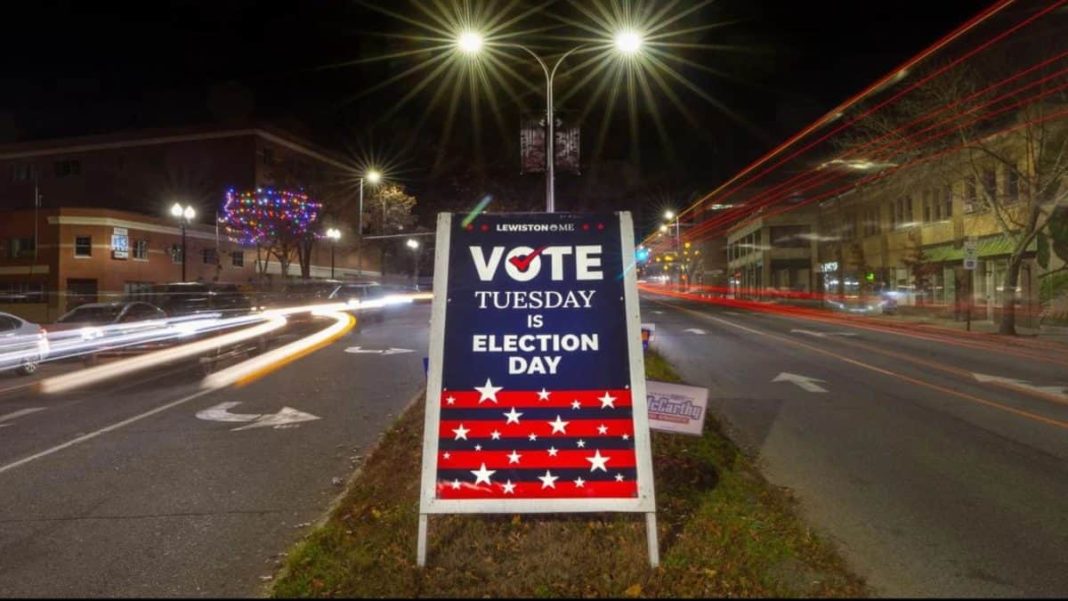
A Democratic victory in the November 3 US midterm elections could reshape President Donald Trump’s foreign policy by giving the party greater influence over war powers, military spending and foreign assistance after two years of Republican control in Washington.
Nonpartisan analysts say Democrats have a strong chance of winning the House of Representatives and could also capture the Senate. Such gains would give them greater control over the legislative agenda and new opportunities to challenge the administration’s decisions on Iran, Ukraine, Israel and overseas aid.
Democrats argue that the Republican-controlled Congress has allowed Trump to wage war and control spending without adequately exercising the constitutional powers reserved for lawmakers. If Democrats take control of either chamber, they could use spending decisions, congressional hearings and legislation to put pressure on the administration.
Here are four areas where a Democratic victory could affect US foreign policy.
1. Mounting pressure over the Iran war
Trump launched the war with Iran on February 28 without first securing congressional approval. Democrats have repeatedly backed resolutions seeking to end the fighting unless the administration obtains authorisation from lawmakers.
One such resolution passed with support from a handful of Republicans, but the administration did not comply.
If Democrats gain control of the House or Senate, they could seek to restrict defence funding to pressure Trump to obtain congressional approval for continuing the war. They could also require administration officials to testify publicly about the conflict and the White House’s plans.
More from United States
Such steps would give lawmakers additional means to scrutinise the administration’s military decisions, although their effectiveness would depend on the legislation passed and the balance of support in Congress.
2. Fresh push for Ukraine aid and action on Russian energy
Trump has largely halted direct US financial and military aid to Ukraine, even as lawmakers from both parties have continued to support Kyiv’s efforts to resist Russia’s invasion.
His recent decision to lift sanctions on Russian diesel and waive sanctions on Russian energy has angered members of Congress, including Republicans. The moves came only weeks after Trump signed the sanctions legislation into law.
A Democratic victory in both chambers would give the party greater control over which bills come up for a vote and when. That could open the way for renewed military and financial assistance to Ukraine.
Any effort to override a presidential veto would require two-thirds majorities in both the House and Senate, making bipartisan support essential.
Democrats could also target the administration’s Russia policy through legislation. Representative Gregory Meeks of New York, who could lead the House Foreign Affairs Committee if Democrats take control of the chamber, has introduced a bipartisan bill aimed at blocking Trump’s plan to bring Russian diesel back into the global market.
3. Israel military aid faces greater scrutiny
US military assistance to Israel could also come under increased pressure from a Democratic-controlled Congress.
Support for Israel has declined among Democrats over its conduct in the Gaza war, which has killed tens of thousands of Palestinian civilians. Continued violence in the Israeli-occupied West Bank and Israeli Prime Minister Benjamin Netanyahu’s close relationship with Republicans have further strained support.
Israel received $3.8 billion in US military aid in the most recent fiscal year, more than any other country.
Nearly half of House Democrats voted this summer in favour of cutting off aid to Israel. Others who opposed that effort, including Meeks, have supported restrictions on supplying certain weapons, such as heavy bombs.
If Democrats win control of Congress, they could push for limits on military assistance or seek to end some forms of aid. The outcome would depend on the legislation proposed and whether lawmakers could secure sufficient support.
4. Defence spending and foreign aid could be revisited
Democrats are more inclined than Trump’s Republicans to challenge increases in military spending and have opposed the president’s proposed expansion of the defence budget.
Trump sought a 67% increase in the military budget this year, taking it to $1.5 trillion. Democrats blocked the proposal in the Senate, citing his decision to launch the Iran war without consulting Congress and his deep cuts to social programmes.
A Democratic victory could strengthen efforts to limit military spending and increase congressional scrutiny of how defence funds are allocated.
Foreign aid is another potential battleground. Trump has withheld or cancelled billions of dollars in overseas assistance that Congress had approved, prompting objections from Democrats who argue that the administration cannot disregard legislative spending decisions.
With greater control over the congressional agenda, Democrats could seek to restore funding and challenge further cuts.
The extent of any change would depend on whether Democrats win one or both chambers, whether they can attract Republican support and how Trump responds to legislative restrictions. A midterm victory would not automatically reverse his policies, but it could give Democrats additional tools to challenge the administration’s decisions on war, military assistance and foreign spending.
With inputs from agencies