Original Coverage & Source Attribution: movieweb.com
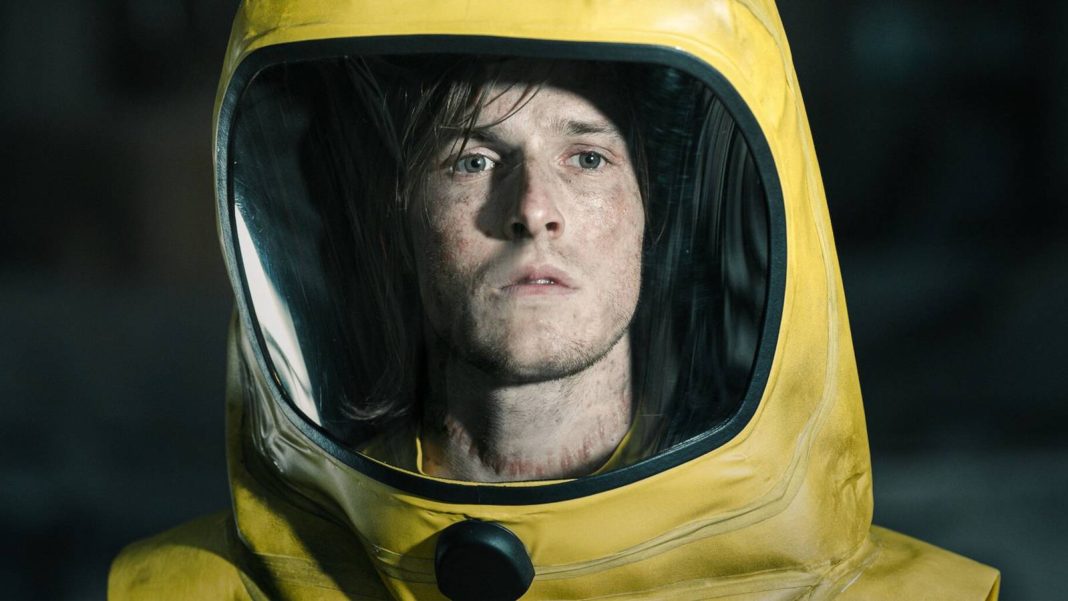
Netflix has plenty of sci-fi and mystery offerings to choose from, but one Stephen King-esque series blends both genres to excellent effect — and it sticks the landing better than most titles in each. On the sci-fi side of things, it’s one of the rare shows that actually nails a time travel story. On the mystery end, it offers satisfying resolutions, which is not something every project in the category can claim.
That would be Netflix’s Dark, the three-season series from Jantje Friese and Baran bo Odar that’s come to be seen as a masterpiece since its 2020 ending. With a 95% critic score and 94% audience score on Rotten Tomatoes, it’s hard to argue with the show’s reputation. Its ability to unite critics and audiences is impressive on its own.
Dark also weaves together many moving pieces in an effective way that so many projects fail to. Set in Winden, Germany, Dark opens by introducing the mystery of a missing boy in 2019. The boy’s disappearance mirrors a past incident from the ’80s, and soon enough, the show begins to connect both cases to multiple timelines and families. It’s an ambitious journey, but it’s well-crafted and pays off, making it well worth losing a weekend to.
Netflix’s ‘Dark’ Is a Slow-Burn Series That Pays Off Better Than Most Mystery-Box Shows
So many mystery-box shows feature grabbing openings, hoping to snare viewers before getting into the meat of their stories. Lost does this with the premiere’s plane crash, and Yellowjackets follows suit. The Leftovers highlights the chaos of the Sudden Departure, and Manifest raises questions with its jump forward in time. All these examples throw engaging mysteries at viewers right away, then worry about piecing them together later.
Dark stands out from its fellow mystery-box shows, as its opening feels slower at first glance. The premiere sets the melancholic tone and atmosphere, and it lays the foundation for what’s to come. It does feature revelations that are noticeable on a rewatch, but they’re easy to miss on your first viewing. That’s because Dark prioritizes character work and world-building over quicker, snappier storytelling.
The show continues to move at an intentional pace, too, and its meticulous approach is what makes it work. It gives audiences plenty to chew on, wastes no time on unnecessary filler, and leaves very few loose ends. Creators Jantje Friese and Baran bo Odar had a three-season plan (via THR), and that’s felt throughout Dark.
The show very clearly knows where it wants to go, what notes it wants to hit, and when it wants to hit them. It allows it to sprinkle answers in when appropriate, raise the stakes with more questions at opportune moments, and deliver a better payoff than most titles like it. The attention to detail also rewards paying attention, and it makes Dark the ideal series to revisit.
It handles the mystery half of its premise well, delivering enough intrigue to get viewers invested but refusing to lean into breakneck pacing and gimmicky reveals at the expense of everything else. That’s why it holds up better than other mystery-box fare. Its use of sci-fi is nothing to scoff at, either.
‘Dark’s Well-Used Sci-Fi Elements Make It Even More Impressive
Dark is one of the best examples of crafting a mystery series, but its use of sci-fi elements is also commendable. Without spoiling too much about the show, it’s obvious from early on that it plays with time and reality. That continues throughout its run, and it doesn’t fall prey to the problems that plague so many sci-fi shows with similar themes.
Dark establishes the logic of its universe, then it sticks to that — something that can be surprisingly difficult to do with time narratives. Time travel movies and shows often contradict their own rules. This can happen because it’s convenient, but it also stems from the fact that there isn’t a real-world application of this science to draw from.
It makes Netflix’s Dark more impressive that it manages to stay mostly consistent with its sci-fi lore, all while juggling numerous timelines and character arcs. The detailed planning also helps this aspect of the series succeed, proving that certain genres really do require such forethought. That’s true of science fiction and mysteries, so naturally, it would benefit a show that blends both.
‘Dark’ Is the Perfect Follow-Up to Anything Stephen King
Netflix
Dark isn’t strictly horror, but it will appeal to those looking for follow-ups to their favorite stories in the genre — and, in particular, it feels reminiscent of Stephen King. It features many elements that make King’s work so well-loved, from the moody small-town backdrop to the focus on missing children and the emphasis on trauma.
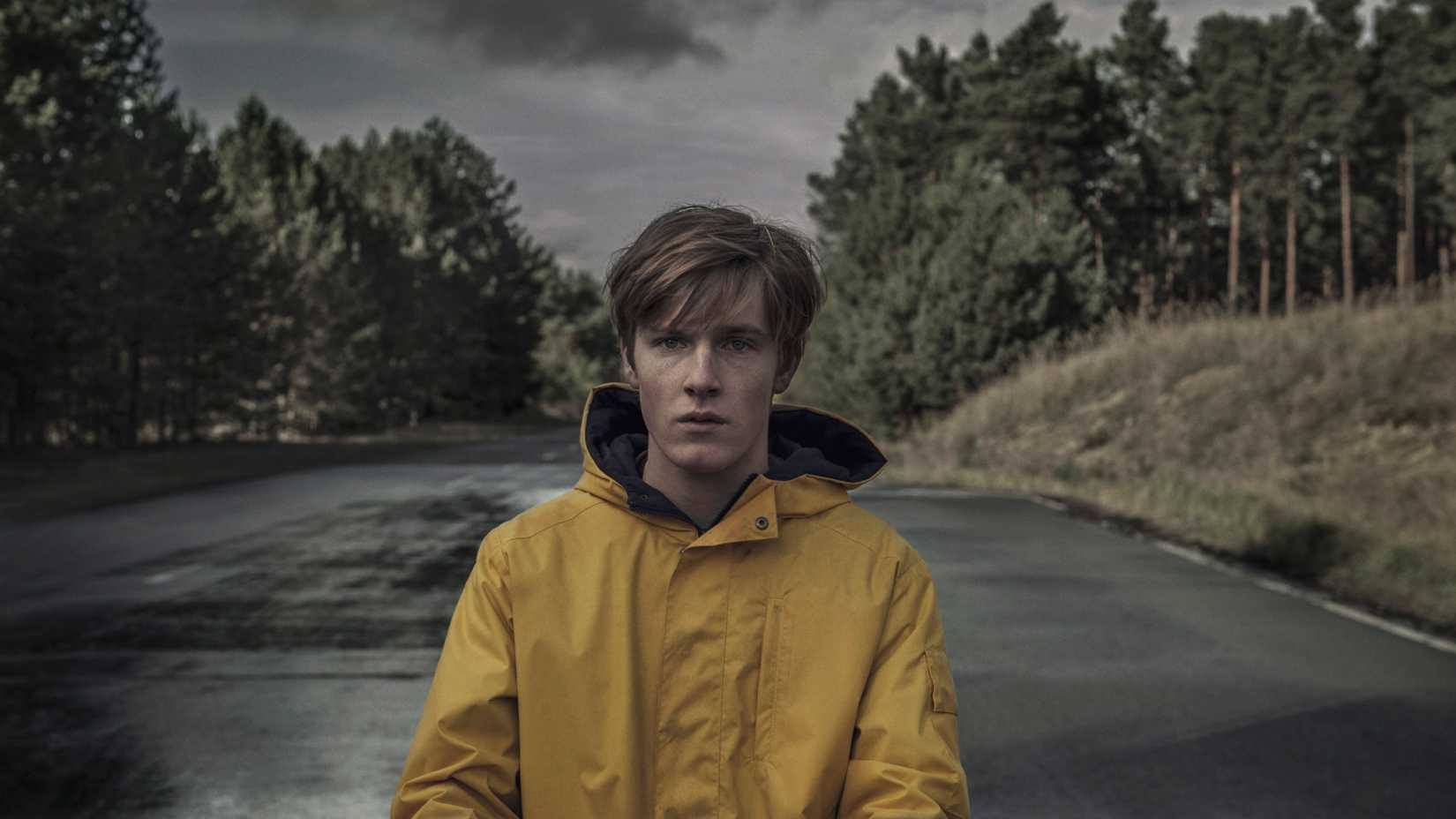
In an interview with Dazed Digital, Baran bo Odar revealed King’s IT as an influence for the Netflix series, alongside Twin Peaks. The yellow raincoat seen throughout Dark is obviously a nod to IT as well, serving as a fun Easter egg for those familiar with King. The author himself recommended Dark, too, posting a positive review about the show to X back in 2020.
King’s TV recommendations tend to be solid, so if Dark‘s high praise and winning formula don’t convince you to watch it, his words should. The series demands patience at times, but the rewards of sticking with it are worthwhile. And when the twists truly start coming, it gets addictive enough that it becomes a binge-worthy way to fill the weekend.
- Release Date
-
2017 – 2020-00-00
- Network
-
Netflix
- Showrunner
-
Jantje Friese
- Directors
-
Baran bo Odar
- Writers
-
Marc O. Seng, Martin Behnke, Ronny Schalk
-

Louis Hofmann
Jonas Kahnwald
-

Lisa Vicari
Martha Nielsen