Original Coverage & Source Attribution: ua.news
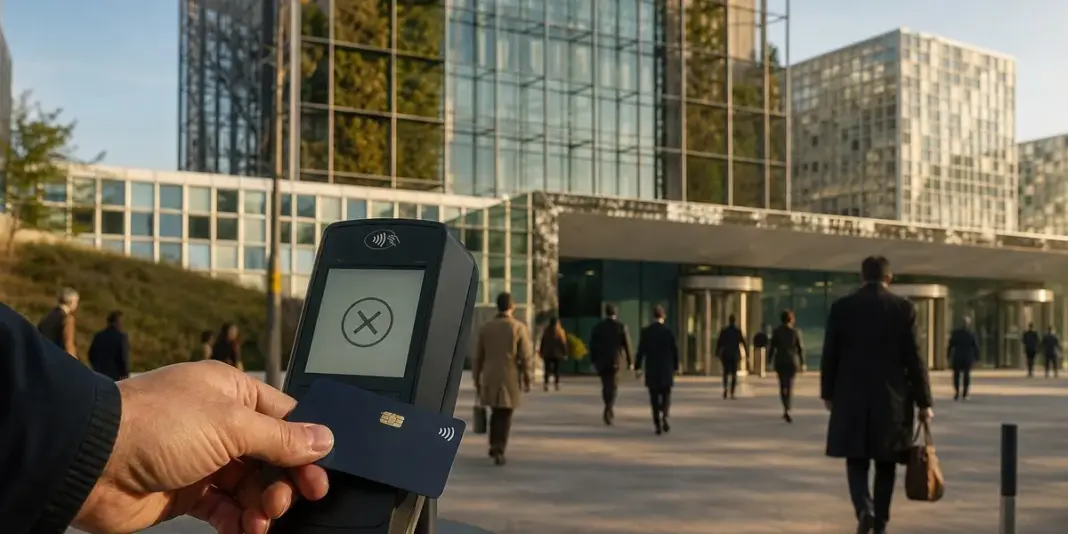
Kimberly Prost, a judge at the International Criminal Court based in The Hague, Netherlands, said that US sanctions against her and other ICC officials are an attempt to intimidate the court that will not change its work. Because of the restrictions, her credit cards were cancelled and she faced difficulties accessing banking services, CBC reports.
Prost said that due to the broad reach of the US financial system, she is never sure whether a bank transfer will go through. The sanctions have also affected her ability to use services requiring a bank card, including booking rides or hotels. She also said that she and other ICC judges were deprived of access to accounts in Google, iCloud and Amazon services.
Sanctions against judges
The United States imposed sanctions against Prost in August. She was added to the sanctions list over her involvement in the court’s authorization to open a preliminary investigation into alleged war crimes in Afghanistan since 2003, including possible crimes by US military personnel. At the same time, since 2021, the investigation has focused primarily on the actions of Afghan authorities and Taliban forces, rather than on the US role.
The sanctions became part of US President Donald Trump’s administration’s campaign against the ICC. In February 2025, Trump issued an executive order on sanctions in connection with investigations into US personnel and arrest warrants for Israeli Prime Minister Benjamin Netanyahu and former Defence Minister Yoav Gallant.
More current news is available on the UA.News Telegram channel Telegram.
Lawsuit and the court’s work
In June, Prost and two other ICC judges filed a lawsuit against the Trump administration. The judges argue that the restrictions are intended to exert extrajudicial pressure and force them to be guided by private interests rather than facts and the law.
Prost stressed that the judges will continue to consider cases objectively and independently. According to her, the ICC would not have jurisdiction over US citizens if the United States itself conducted genuine investigations or prosecutions regarding the relevant allegations.
In October, the United States allowed the ICC to use certain information and banking services for six months. According to Prost, a complete loss of access to such systems could seriously paralyze the court’s work. She called on states parties to protect the ICC, describing it as a court of states, not prosecutors or judges.
Read us on