


Original Coverage & Source Attribution: screenrant.com
There was a time when superhero TV shows were synonymous with colorful costumes, campy action, and plots that focused much more on outlandish spectacle than delivering anything grounded or relatable. The genre has, thankfully, developed a grittier and more realistic edge in the age of streaming. Modern superhero series like The Penguin, Daredevil: Born Again, and Lanterns have ditched the obsession with superpowered spectacle to instead focus on the injustices and inequality that lead to heroes taking up their mantles in the first place.
That approach to small-screen superhero stories feels familiar in the 2020s, but this definitely wasn’t always the case. The prestige superhero series model didn’t come out of nowhere, either. There’s a show that paved the way for contemporary hits that give the genre its current level of dramatic clout and mainstream respect among those who’d once never have given a superhero story a chance. That series is 2019’s Watchmen, HBO’s sequel miniseries to Alan Moore’s groundbreaking graphic novel.
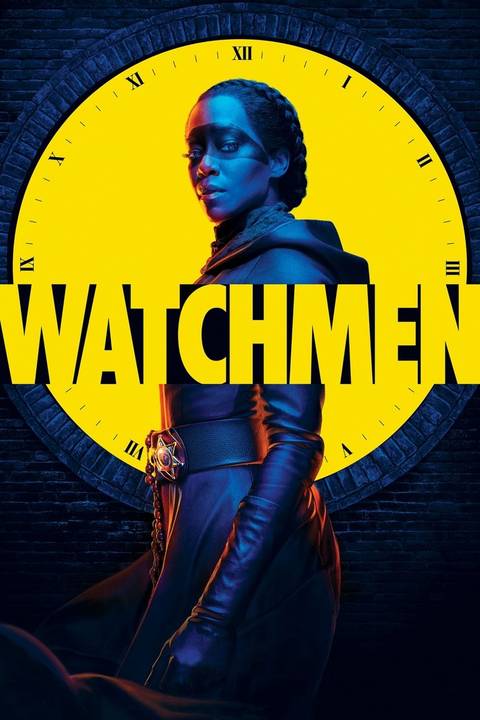
Set in Tulsa 34 years after the attack on New York in Alan Moore’s original story, Watchmen introduces viewers to detective Angela Abar (Regina King) as she investigates a white supremacist group. The case draws her into the lives of the original Watchmen vigilantes while continuing the graphic novel’s questioning of whether wearing a mask and calling oneself a hero is enough to make it true. While it may not be a superhero household name, shows like The Penguin, Lanterns, and Daredevil: Born Again may not ever have existed without HBO’s Watchmen to pave the way.
Watchmen Changed The Rules For Superhero TV Shows
While there were several grittier superhero shows arriving around the same time as Watchmen, such as The Boys in the same year or the Netflix-Marvel shows that began with Daredevil in 2015, none of them felt like they changed the game in quite the same way as HBO’s miniseries. For years, the selling points of pretty much every superhero TV show were its hero, its villain, and the prospect of seeing them fight. Watchmen bucked this trend in a way few, if any, series had before.
Rather than focusing on setting up a hero-villain showdown, HBO’s Watchmen built itself around a mystery. It didn’t feel like a superhero show. It felt like a detective show that just so happened to have superheroes in it. What’s more, these “heroes” are far from morally good. Watchmen presents its masked vigilantes not as saviors, but as ordinary people with their own ideological agendas. It’s an approach that put a fresh spin on the familiar tropes of the genre. For example, secret identities shift from being a way for heroes to protect their loved ones to a way to use anonymity to negate accountability.
Opening with the 1921 Tulsa Race Massacre also gave Watchmen a sense of history and political relevance that superhero TV series rarely attempted at the time. By the time the action reaches 2019, generations have grown up with different ideas about what a hero is and who deserves their protection. Who counts as a hero and a villain depends on perspective, with those that society labels as the former often working to hold up corrupt institutions and protect a societal status quo that perpetuates inequality.
That shift from the traditional hero-vs-villain setup to a politically charged mystery narrative won Watchmen no shortage of acclaim, including 11 Primetime Emmy wins. At the time, a superhero series receiving this much critical praise was basically unheard of. It was a true turning point for the genre on the small screen. Many gritty and grounded superhero TV shows have followed in the years since, but none have made as much of an impact on the genre itself quite like Watchmen.
HBO’s Watchmen Deserves Better Than Its Divisive Reputation
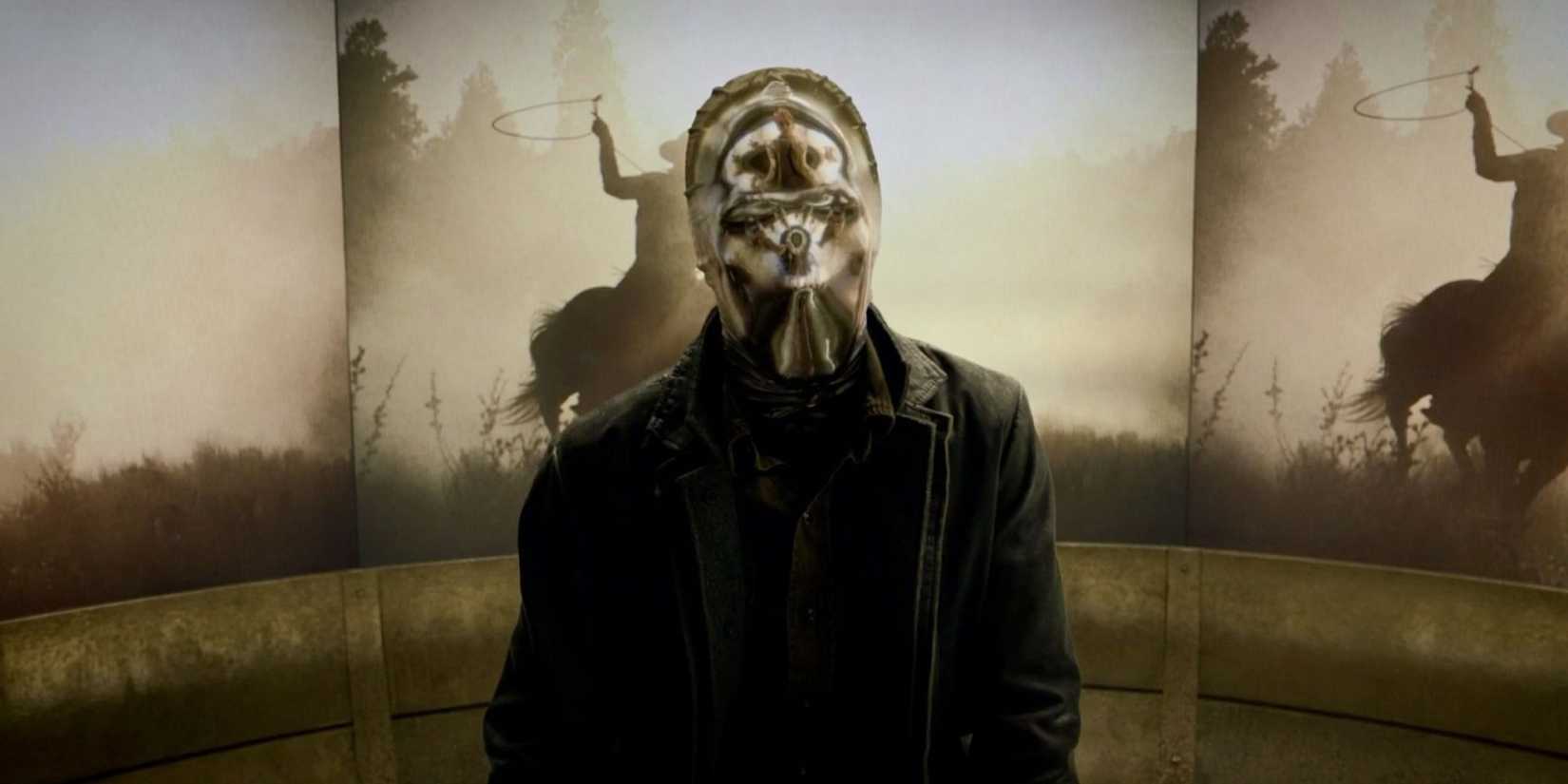
While Watchmen is celebrated today and was far from a ratings flop when it aired in 2019, it didn’t perform as well as it could have done given just how good it is. The reasons why are obvious, too. While it’s an incredible piece of television in its own right, early discussions about Watchmen were defined not by its merits, but by its relation to the source material. Alan Moore’s Watchmen comics are among the most beloved of all time. As is often the case with such highly regarded properties, HBO’s adaptation became defined by the divisive and often toxic responses of the existing fandom.
Even the announcement that HBO was creating a sequel to Watchmen was met with immediate and disproportionately vocal backlash. Many fans of the original graphic novel wanted Alan Moore’s story to stand alone. This wasn’t just down to longtime fans wanting the existing canon and timeline to remain untouched, either. There were also some particularly toxic and abhorrent reactions to racism becoming central to HBO’s story too. For casual viewers who weren’t at all familiar with the Watchmen comic, the discussions surrounding the 2019 miniseries made it seem like a hotbed of controversy that it simply wasn’t worth wading into.
This is an incredible shame, because Watchmen is an incredibly solid thriller that even viewers completely unaware of Alan Moore’s original graphic novel are bound to appreciate. It’s not just a game-changing superhero TV series, it’s a rich mystery story that uses its genre as a tool to explore some incredibly poignant themes and topics. While it’s impossible to say for certain, it feels likely that Watchmen would today be much more widely discussed if its legacy wasn’t defined by the polarizing pop-culture discourse that surrounded it when it arrived in 2019.
- Release Date
-
2019 – 2019-00-00
- Network
-
HBO
- Directors
-
David Semel, Fred Toye
- Writers
-
Nick Cuse, Carly Wray