Original Coverage & Source Attribution: federalnewsnetwork.com
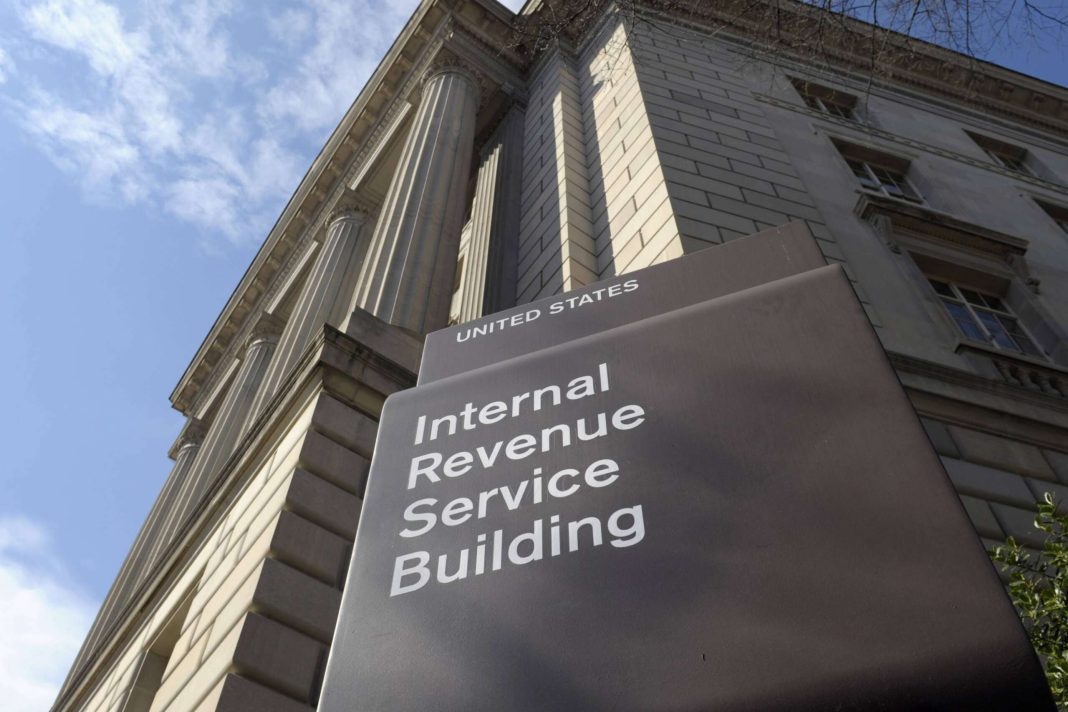
A third-party arbitrator is ordering the restoration of telework and remote work at the IRS, making it the latest of several agencies now being told to revoke return-to-office orders across the federal workforce.
In a decision issued July 17, Arbitrator Christopher Shulman ruled that the IRS violated its collective bargaining agreement with the National Treasury Employees Union when it mandated fully in-office work beginning in March 2025. The arbitrator determined that IRS’s actions also constituted an unfair labor practice (ULP) by ignoring a memorandum of understanding (MOU) with the union.
Shulman ordered the IRS to return telework and remote work arrangements to pre-return-to-office levels for tens of thousands of bargaining unit employees. The decision also tells the IRS to cease any further violations of its collective bargaining agreement.
But the arbitrator’s orders are not necessarily a done deal. The IRS has 30 days to decide if it wants to appeal the decision to the Federal Labor Relations Authority. The IRS did not respond to Federal News Network’s request for comment.
]]>
The IRS’s return-to-office orders in early 2025 were a response to President Donald Trump’s day-one executive order that called on agencies to rescind telework and remote work agreements for federal employees, “consistent with applicable law.”
The blanket in-office mandate at the IRS led NTEU to file a grievance, charging that the agency had committed a ULP. The union said IRS had ignored a provision of its collective bargaining agreement that defines options for telework and clarifies the reasons a telework agreement may be canceled.
The collective bargaining agreement states that any suspensions or terminations of an IRS employee’s telework agreement must be made “on a case-by-case basis,” and that ending telework agreements must be “based on business needs or employee performance or conduct.”
The “across-the-board elimination of these arrangements” violated the agreement’s article on telework, the union said. NTEU added that the IRS’s blanket return-to-office mandate was a “‘clear and patent breach’ of a collective bargaining agreement, as opposed to actions that involve the parties’ differing interpretations of the negotiated agreement.”
Following NTEU’s charges, the IRS later withdrew from arbitration proceedings in March 2026, coinciding with the agency’s official rescission of its collective bargaining agreement. The agreement’s termination came a year after Trump directed many agencies to cancel union contracts due to “national security” concerns. The IRS held that the grievance and arbitration process was no longer applicable, since its collective bargaining agreement had been rendered “unlawful and unenforceable.”
The IRS argued that it had the authority to broadly terminate telework and remote work, based on Office of Personnel Management guidance that told agencies to move forward with return-to-office orders despite collective bargaining obligations. The agency asserted that decisions regarding telework and remote work arrangements are an “inherent management right.”
Following the IRS’s withdrawal from the process, an arbitration hearing took place in May 2026 without an agency representative present.
]]>
Shulman ultimately sided with NTEU in the case, determining that because the union filed its grievance prior to the termination of the collective bargaining agreement, the provision on telework still applied.
“It is black letter law that expiration of a collective bargaining agreement does not terminate rights and obligations arising under the contract during its term,” Shulman wrote in the July 17 decision.
IRS’s action “constitutes a repudiation of those negotiated terms,” and the agency was “unjustified” in ignoring both its collective bargaining agreement and an MOU, the decision states.
While the IRS may still appeal the arbitration decision, NTEU urged the agency to “do the right thing and comply.”
“IRS employees have been successfully teleworking for years, and reports show that telework is good for agencies, employees and the public they serve,” NTEU National President Doreen Greenwald said. “Not only does telework save taxpayers money through reduced leasing costs, reduced energy expenses and increased productivity, it also boosts employee recruitment and retention, reduces traffic congestion and helps ease rising commuting costs.”
Independent arbitrators have ruled in unions’ favor in other recent cases involving return-to-office requirements, like the Forest Service and the departments of Health and Human Services and Housing and Urban Development. Many agencies facing these arbitration rulings have appealed the decisions to the FLRA, while federal employees are still largely being required to report to work in-person.
NTEU has secured similar arbitration decisions for six other agencies that it represents, including HHS.
“NTEU is ready and determined to continue fighting to enforce our win on behalf of the employees we represent,” Greenwald said.
]]>
If you would like to contact this reporter about recent changes in the federal government, please email [email protected] or reach out on Signal at drewfriedman.11