Original Coverage & Source Attribution: wanaen.com
WANA (Nov 01) – The renewed visit of a Qatari delegation to Tehran and reports that US Vice President JD Vance has sent a letter to Mohsen Rezaei, Secretary of Iran’s Supreme National Security Council, point to fresh efforts to revive diplomacy between Tehran and Washington.
These developments come as reports of a possible US military action against Iran continue to emerge alongside exchanges of messages and intensive diplomatic consultations, adding to uncertainty over the prospects for negotiations.
The return of the Qatari delegation and 12 hours of intensive talks in Tehran indicate that Doha is continuing its efforts to bring the two sides closer.
Ongoing contact between Qatari mediators and the White House, as well as the possibility of further talks in Doha involving Iranian and US representatives, also suggests an effort to turn indirect exchanges into a practical channel for reaching an understanding.
Tehran’s confirmation that it has received the letter from the US vice president indicates that the communication channel between the two countries remains active despite their big differences. However, Iran has made clear that any negotiations would depend on changes in the situation on the ground, the lifting of the naval and land blockades, and the release of its frozen assets.
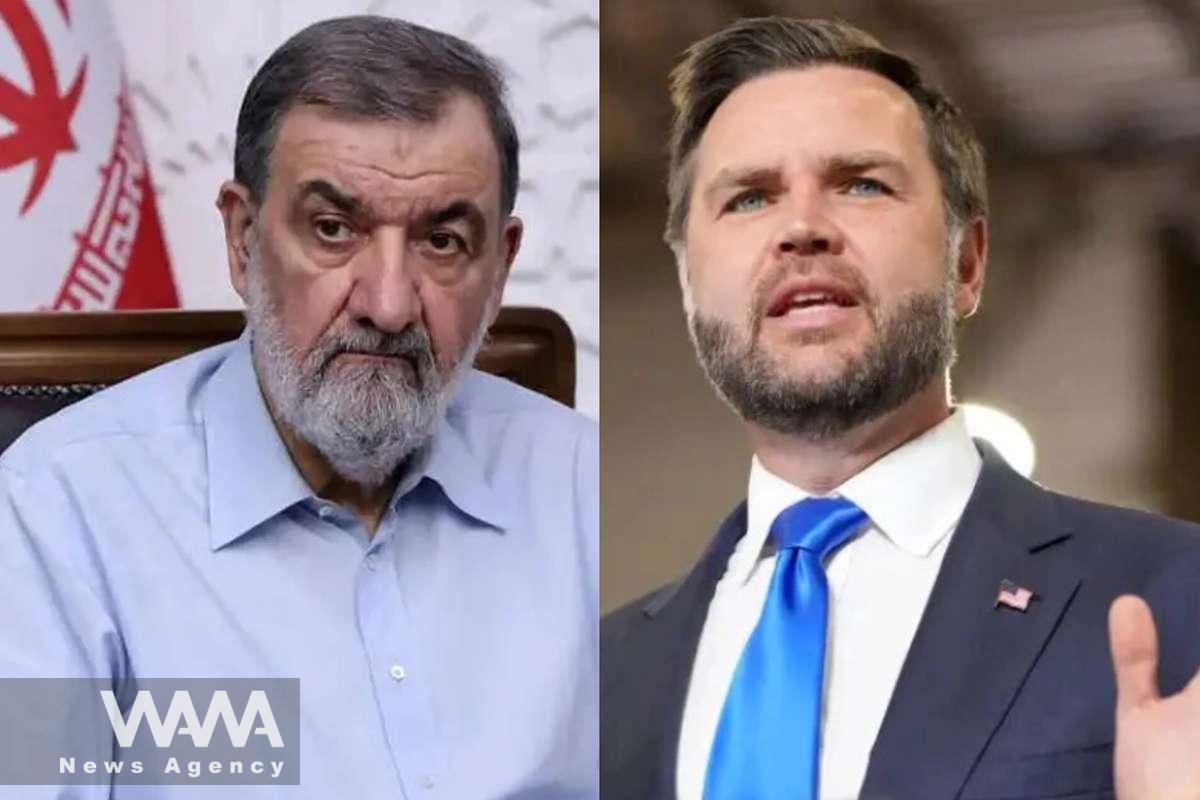
What Lies Behind U.S. Media Campaign Over Vance’s Letter to Mohsen Rezaei?
WANA (Oct 30) – An international affairs expert says the Trump administration and U.S. media outlets are seeking to shape public opinion over a confidential letter from Vice President JD Vance to Mohsen Rezaei, secretary of Iran’s Supreme National Security Council, even though its contents have not been officially disclosed. An international affairs expert, […]
Nuclear Disputes and Iran’s Seven-Point Proposal
According to published reports, Iran’s seven-point proposal is among the main issues under discussion. The framework reportedly covers a range of issues, including the phased resolution of nuclear disputes, sanctions relief, arrangements concerning maritime restrictions, and reciprocal guarantees.
In this regard, Axios, citing three US, Israeli, and regional sources, has reported that Qatari mediators are seeking to persuade Iran to allow UN inspectors access to bombed nuclear facilities in exchange for the lifting of some US sanctions. Al Arabiya has also reported discussions about granting inspectors access to these facilities in return for the release of part of Iran’s frozen assets.
Al Arabiya has further claimed that other issues under consideration in a possible framework for an understanding include transferring Iran’s enriched uranium stockpile to a third country, reopening the Strait of Hormuz within seven days, and China’s role in guaranteeing an agreement. However, these details have not yet received independent official confirmation.
Meanwhile, Ali Nikzad, First Deputy Speaker of Iran’s Parliament, has stressed that Iran has no intention of negotiating over its nuclear program under any circumstances or pressure, adding that the window for such talks is now closed. He also warned that any renewed aggression against Iran would be met with an immediate and effective response, without geographical limits.
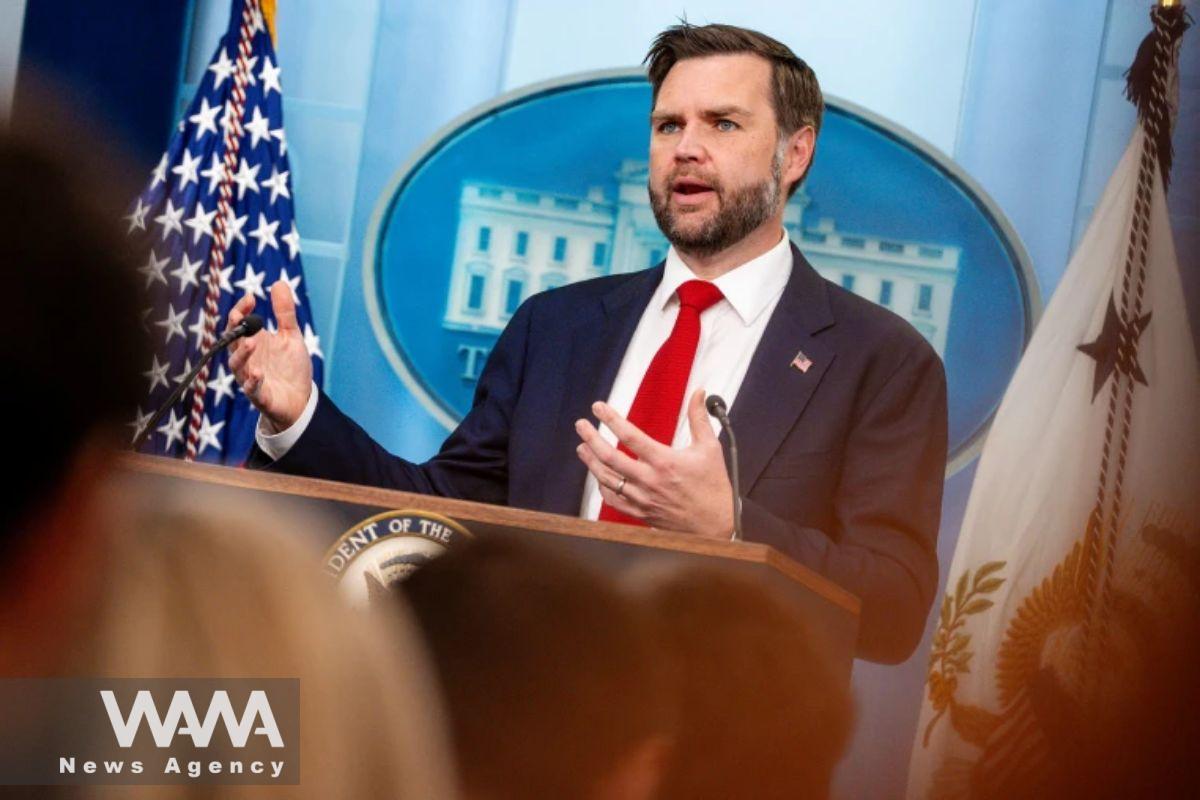
Iran Has Yet to Respond to Vance’s Letter, Reaffirms Seven Conditions
WANA (Oct 29) – Iran has not yet responded to a letter reportedly sent by U.S. Vice President JD Vance to Mohsen Rezaei, secretary of Iran’s Supreme National Security Council, and continues to insist that Washington meet its seven conditions. Information obtained by a reporter indicates that the letter has been received by the […]
These statements, alongside the media reports, indicate that the nuclear issue remains one of the main points of disagreement between Tehran and Washington. While media accounts suggest that mediators are seeking to include nuclear commitments in any potential understanding, Tehran continues to emphasize the need for guarantees that commitments will be implemented and for a clear sequence of reciprocal steps.
The central issue, therefore, is not only the content of a possible agreement, but also what commitments each side would undertake, at what stage, and in exchange for which concessions.
Diplomacy Under the Shadow of Military Threats
As Qatar’s mediation efforts continue, an MS NOW report about the possibility of a US attack on Iran on November 4 has added to the uncertainty. Although the report does not in itself indicate that Washington has made a final decision to take military action, its publication alongside ongoing diplomatic activity highlights the persistence of tensions and the risk of an unintended escalation.
Regional countries are also aware of the consequences of a wider confrontation, which could affect security in the Persian Gulf, maritime traffic, energy markets, and the region’s economic stability. From this perspective, Qatar’s mediation is not limited to facilitating communication between Tehran and Washington; it is also part of broader regional efforts to prevent the crisis from spreading.
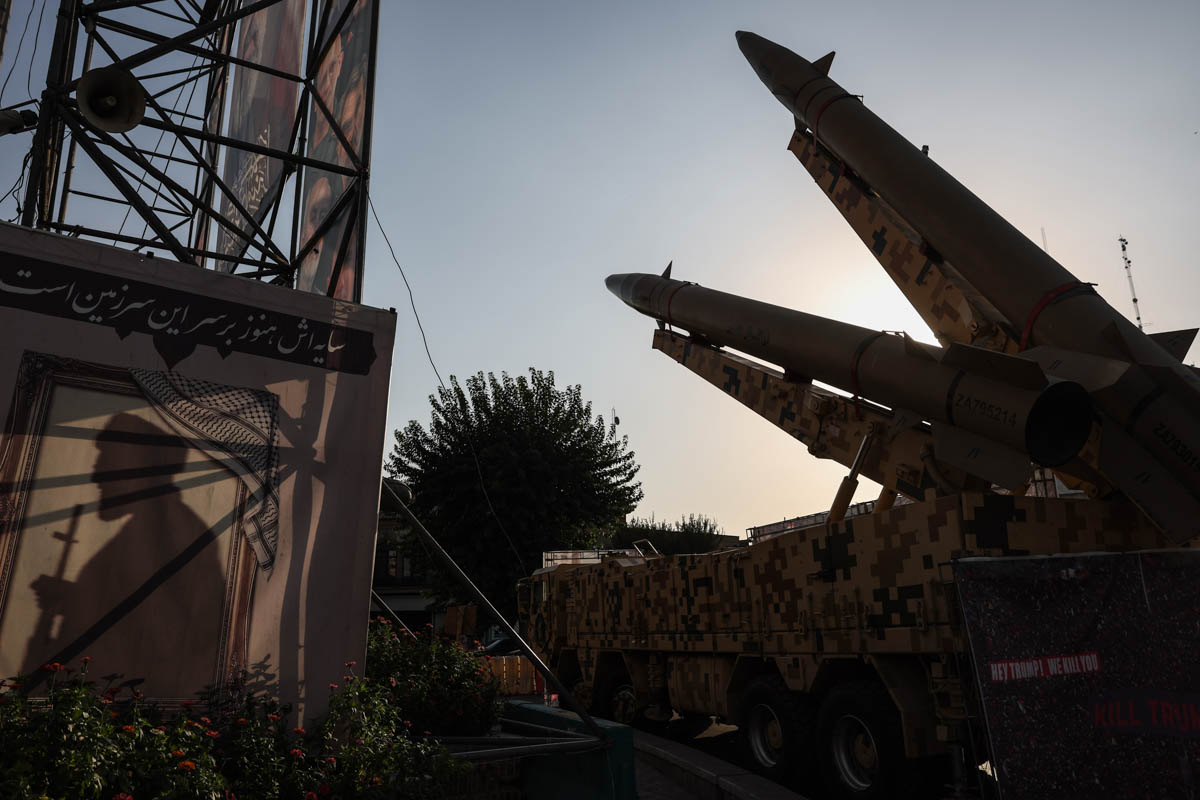
War Threats and Diplomatic Maneuvering in Tehran: Critical Days Ahead for Iran
WANA (Oct 26) – As diplomatic exchanges between Iran and regional countries intensify, assessments point to a further escalation in military threats against Iran in the coming days. While efforts continue to prevent tensions from escalating and to examine regional proposals, some assessments suggest the possibility of coordinated action against Iran by the United […]
Prospects for Tehran-Washington Talks
Following the outbreak of hostilities on February 28, 2026, efforts were made to reach an agreement and establish a ceasefire. Although an initial framework for further negotiations took shape in June, disagreements over security issues, freedom of navigation in the Strait of Hormuz, and reciprocal commitments prevented progress in the talks.
Qatar and several other regional countries subsequently continued their mediation efforts to maintain communication channels and prevent a further escalation of the crisis.
At present, there is still insufficient evidence to suggest that an agreement is imminent. The success of diplomatic efforts will depend on resolving disputes over the nuclear issue, lifting restrictions, guaranteeing the implementation of commitments, and agreeing on a balanced sequence of steps by both sides.
Tehran and Washington now face a crucial test: whether they can turn recent messages and mediation efforts into an initial understanding that prevents a return to war, or whether disagreements over conditions and guarantees will once again bring diplomacy to a deadlock.