Original Coverage & Source Attribution: wersm.com
Creators were everywhere in marketing this year. Christmas still went to the celebrities.
Brands have spent months giving creators more budget, more influence and bigger roles in global campaigns. But when the holiday advertising season arrived, the safest route to mass attention was still a familiar face.
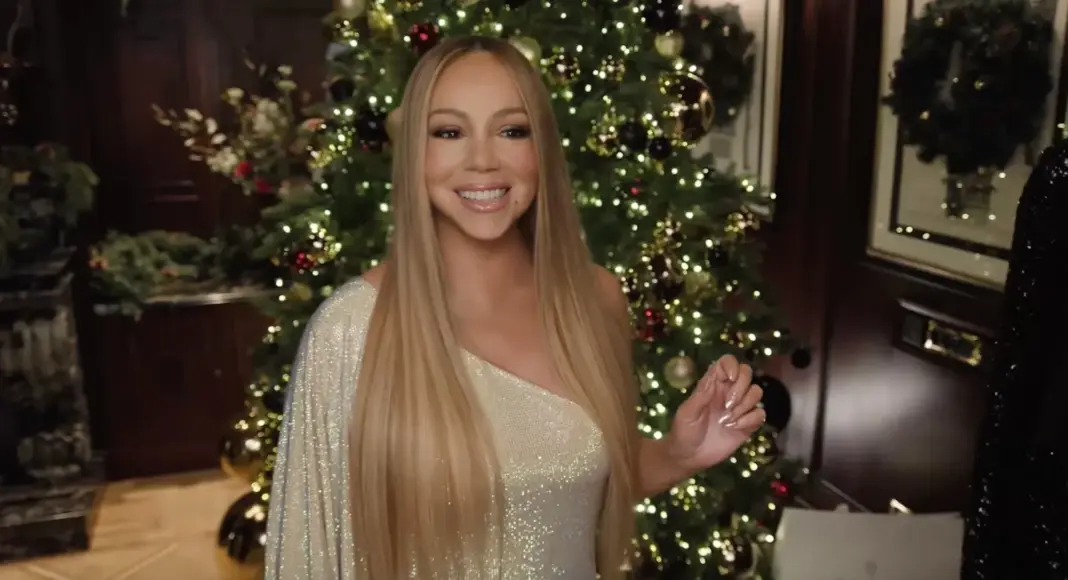
Sephora used Seth Rogen. Kay cast Colin Jost. Gucci brought in Mariah Carey. Sports Direct built a campaign around Nike athletes. John Lewis put Dame Kristin Scott Thomas at the center of its Christmas film, and even a sharply divided response did not make the celebrity the target of the criticism.
Christmas is still built for mass recognition
The reason is less about creative ambition than risk. Christmas advertising is usually a brand’s most expensive and scrutinized moment of the year. It needs to reach grandparents, teenagers and everyone in between, often through one large film that has already passed through layers of senior approval.
Kantar’s Lynne Deason told Digiday that brands are borrowing celebrity fame because the holiday audience is so broad. Creators can command enormous attention, but that attention is often concentrated around a specific interest or community. A creator may be more influential with the right audience, while a celebrity remains easier to recognize across the entire room.
The numbers around Tesco’s Christmas campaign show why fame still matters. The ad, starring Roisin Conaty and Anna Maxwell Martin, generated 3,263 mentions and more than 36,000 interactions, according to Sprout Social. Sentiment was split, with 51% of conversations positive. It was imperfect, but it was being discussed.
The next model will mix both kinds of fame
The more interesting shift is that the divide is already becoming harder to maintain. SharkNinja used Kevin Hart, David Beckham, Aryna Sabalenka and Tom Brady in teaser content across their own social accounts before the main campaign appeared. Marc Jacobs gave social personality Ashtin Earle the same billing as more traditional entertainment and fashion names.
Anthropologie pushed the model further by handing its holiday story to comedian and creator Pooja Tripathi, who wrote and showran a micro-series that extended across trailers, teasers and a wider creator rollout on Instagram, TikTok, YouTube, Pinterest and Reddit.
Lego’s new head of celebrity talent and brand-first partnerships, hired from WME, also reflects the change. The company now treats represented talent, creators and fan communities as connected parts of one partnership system.
The implication is straightforward. Creators are not replacing celebrities at the top of the holiday funnel yet. They are changing what happens around them, turning the big seasonal ad into a longer social story. The winning talent may soon be whoever can combine recognition with participation, whether they became famous on television, in film or on a smartphone screen.