

Original Coverage & Source Attribution: screenrant.com
Witches have been some of animation’s most fascinating characters for decades, appearing as everything from terrifying supernatural villains to mischievous outsiders and young women discovering their magical abilities. The medium is particularly well suited to witchcraft, allowing filmmakers to bring impossible spells, enchanted forests, flying broomsticks, and elaborate magical realms to life without the limitations of live-action effects.
Some animated witches are defined by their extraordinary powers, while others are much more interesting because of their personalities, insecurities, and relationships with the people around them. Japanese animation has produced some of the genre’s most celebrated examples, particularly through the work of Studio Ghibli, but the appeal of animated witchcraft extends well beyond anime.
European fairy tales, British children’s literature, and North American television specials have all contributed memorable interpretations of the supernatural figure. In order to keep this list focused, only movies where a witch is the protagonist or appears for a large part of the narrative are included.
9
Little Witch Academia (2013)
Little Witch Academia is a 25-minute short film with an inventive approach to magical-school storytelling. The film introduces Atsuko “Akko” Kagari, an ordinary girl who enrolls at Luna Nova Magical Academy after being inspired by a celebrated witch named Shiny Chariot.
Akko’s enthusiasm is considerably greater than her magical ability, which makes her a refreshing alternative to the usual effortlessly gifted fantasy protagonist. Her friendship with the more capable Lotte and Sucy provides plenty of comedy, while her determination to prove herself eventually leads to a spectacular confrontation involving a rampaging dragon.
Little Witch Academia’s animation is the real attraction, with exaggerated character expressions, energetic spell-casting, and beautifully choreographed action. Its success inspired a Kickstarter-funded sequel, The Enchanted Parade, and eventually a television series. Its short running time prevents it from reaching the emotional depth of the higher-ranked entries, but it’s an exceptionally entertaining introduction to Akko’s magical world.
8
Witch’s Night Out (1978)
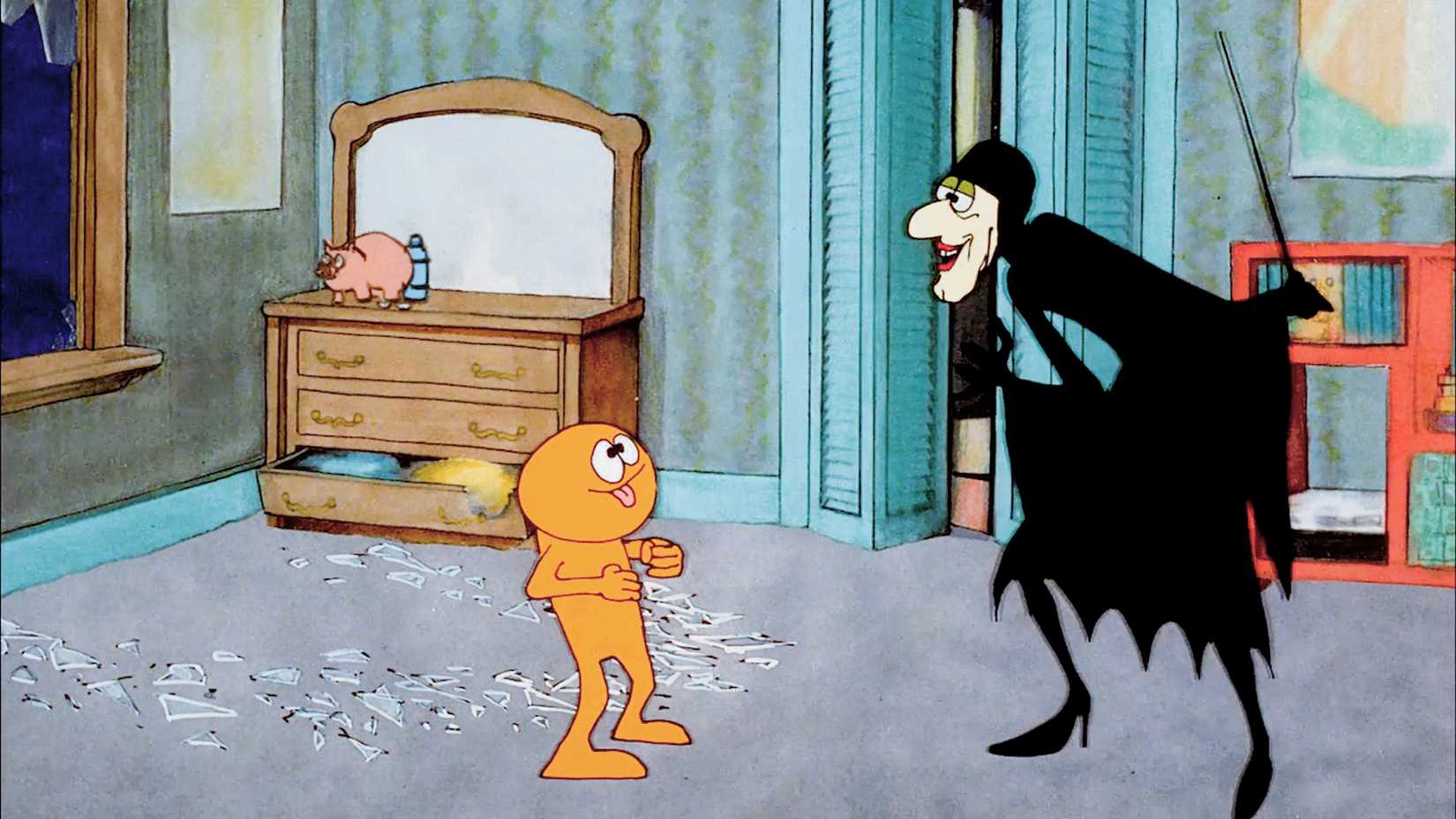
Gilda Radner gives a wonderfully eccentric vocal performance as the titular witch in this Canadian animated Halloween special. Originally broadcast in 1978, Witch’s Night Out follows a witch who wants to attend a Halloween party at her haunted mansion. When two children, Small and Tender, ask her to use magic to transform them into monsters, creating considerable chaos.
Radner’s comic timing gives the witch a mischievous personality that distinguishes her from the more threatening enchantresses found in traditional fairy tales. While the film’s loose, sketchy animation gives the whole production a distinctive handmade quality.
At just 25 minutes, Witch’s Night Out is a relatively modest production, but its offbeat humor, memorable character designs, and wonderfully dated disco soundtrack make it an enduring Halloween favorite. It also deserves recognition for giving children an animated witch who is more interested in having fun than frightening anybody.
7
Room On The Broom (2012)
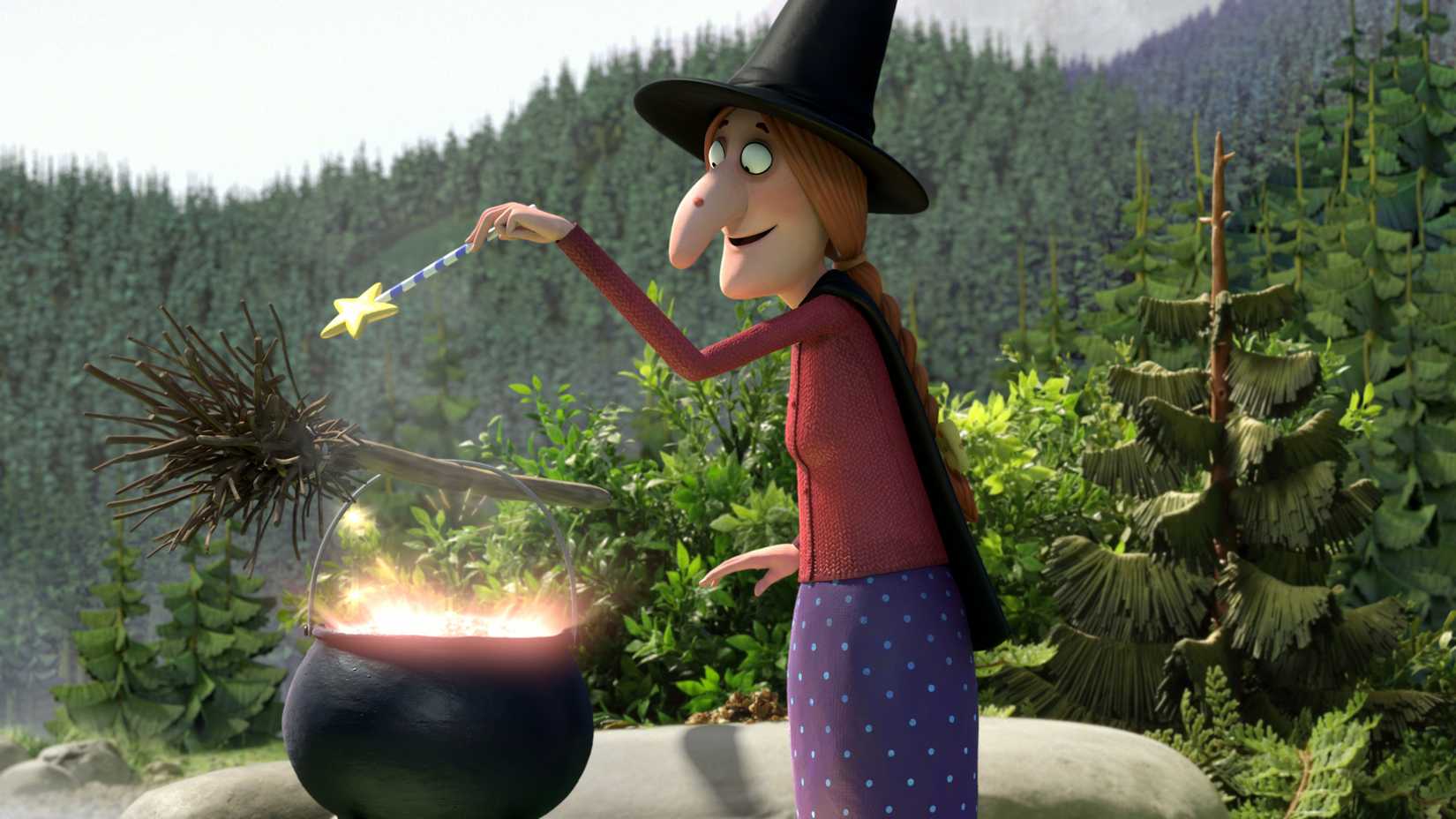
Based on Julia Donaldson and Axel Scheffler’s beloved picture book, Room on the Broom is one of the most charming animated witch stories ever produced. It depicts a friendly witch who repeatedly stops her broomstick journey to accommodate animals who have helped her recover various lost belongings.
Gillian Anderson voices the witch, with Timothy Spall, Simon Pegg, Rob Brydon, and Sally Hawkins among the supporting cast. The film’s greatest strength is its simple understanding of kindness and cooperation, with the witch’s generosity eventually becoming the very thing that saves her when a dragon threatens to eat her.
The adaptation also makes excellent use of the original book’s illustrations, translating Scheffler’s distinctive character designs into expressive computer animation. Its Oscar nomination for Best Animated Short Film and BAFTA Children’s Award win were thoroughly deserved. Room on the Broom may be aimed primarily at younger viewers, but its warmth and visual charm make it an absolute delight.
6
The Little Witch (1984)
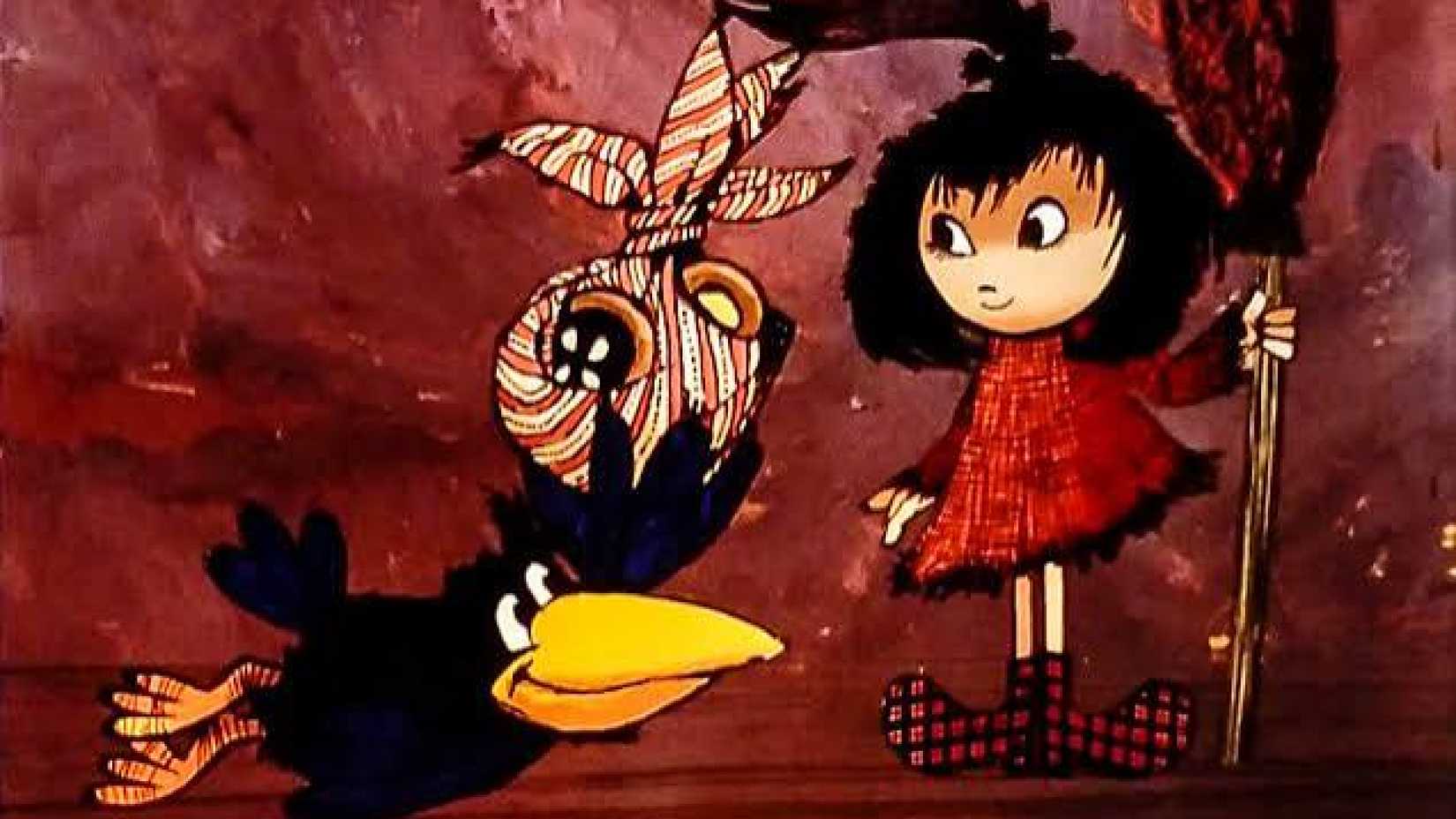
This charming Czechoslovak and West German animated fantasy deserves considerably more international recognition. Based on Otfried Preußler’s children’s book, The Little Witch follows a young enchantress who desperately wants to attend the witches’ annual gathering on Walpurgis Night. Unfortunately, she’s considered too young by the other witches, who give her a year to prove herself worthy of joining them.
Accompanied by her raven Abraxas, the Little Witch sets about learning how to become a good witch. However, her unconventional understanding of witchcraft eventually brings her into conflict with the established magical authorities.
The distinctive animation gives The Little Witch a wonderfully folkloric atmosphere, while its central character offers an appealing alternative to the traditional wicked witch. Rather than celebrating magical power for its own sake, the story considers what makes somebody good and whether authority deserves unquestioning obedience. Though hampered by its limited budget, the combination of European folklore, gentle humor, and rebellious spirit makes it one of the most interesting entries here.
5
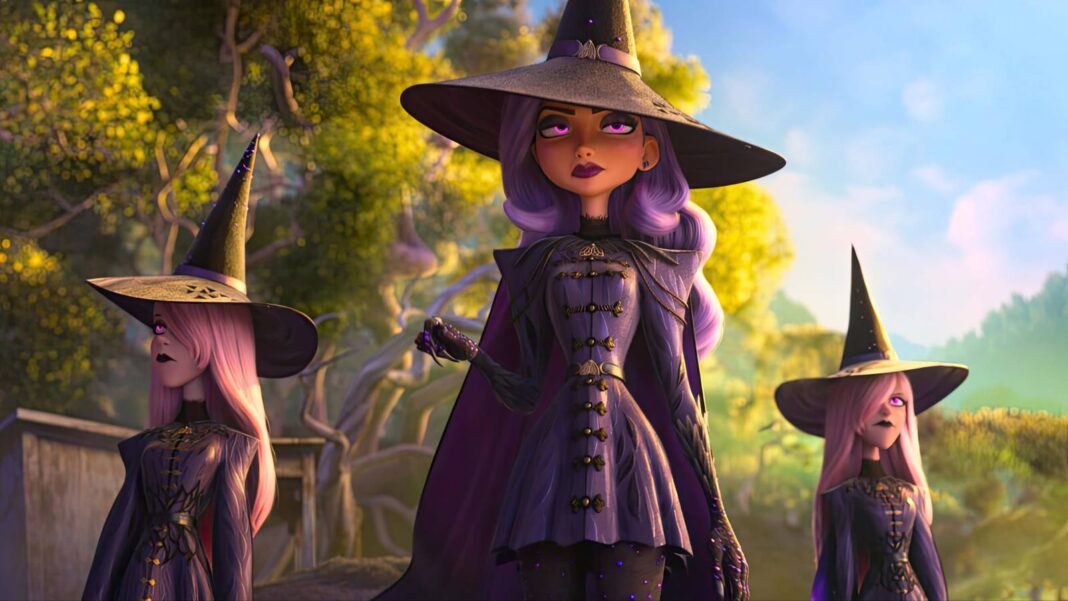
Hexed (2026)
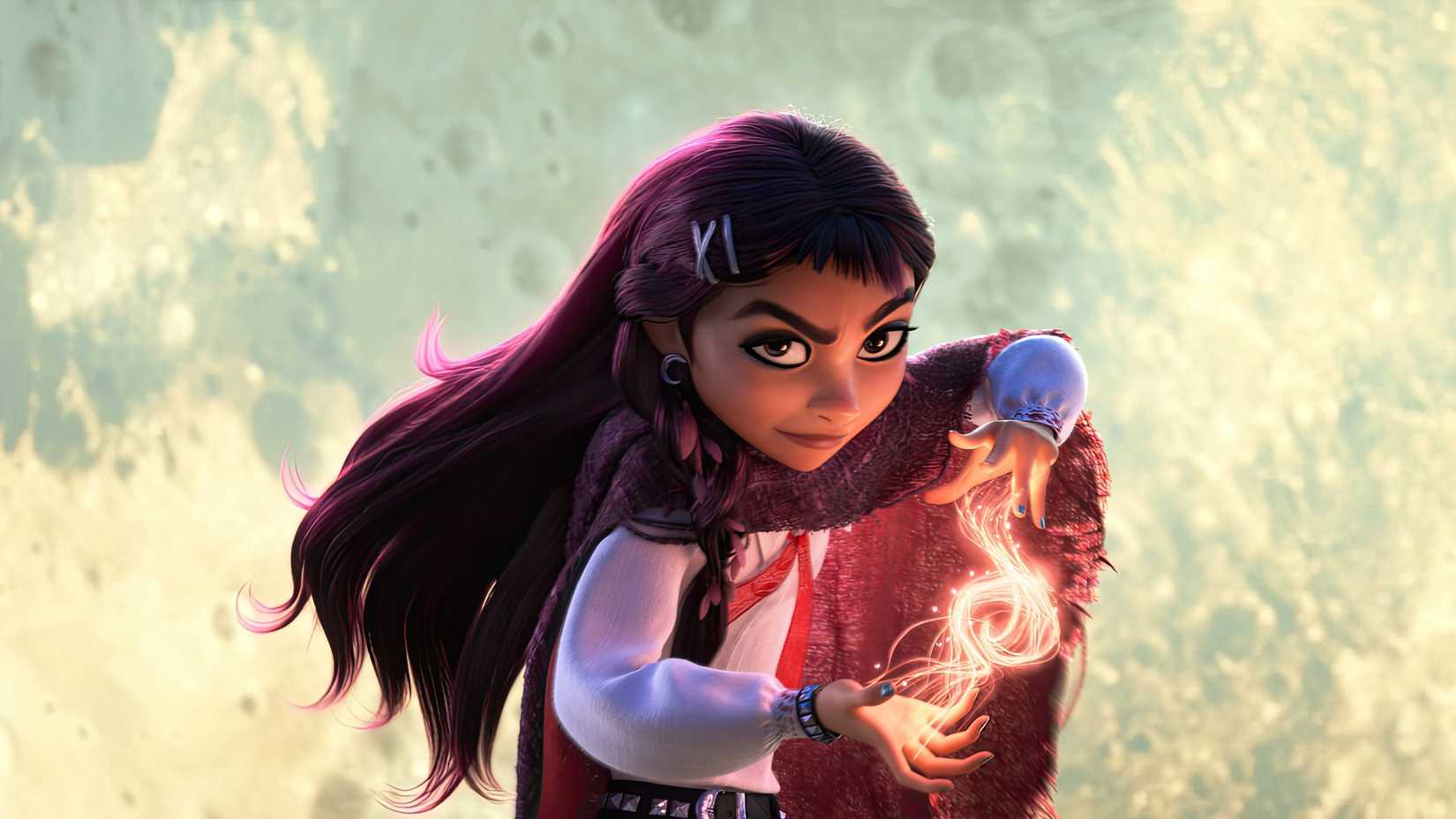
Walt Disney Animation Studios returns to witchcraft with Hexed, an original magical coming-of-age adventure featuring Hailee Steinfeld as Billie Doe. An unconventional teenager who has never quite fitted in, Billie discovers that she possesses extraordinary magical abilities, transporting herself from suburban life into the fantastical witch realm of Hexe.
The supporting voice cast is particularly impressive, including Jodie Foster as the sinister Queen Celeste, Walton Goggins as a magical three-eyed cat, and Stephen Fry as an enchanted journal.
Hexed has an appealing mother-daughter relationship at its center, giving its magical adventure an emotional dimension beyond the usual discovery-of-powers storyline. Its elaborate fantasy setting and colorful supernatural characters also make it a particularly exciting addition to Disney’s animated catalog. It hasn’t yet had the time to establish the legacy of the classics above it, but its premise and creative ambition earn it a place among the genre’s most promising modern entries.
4
Mary And The Witch’s Flower (2017)
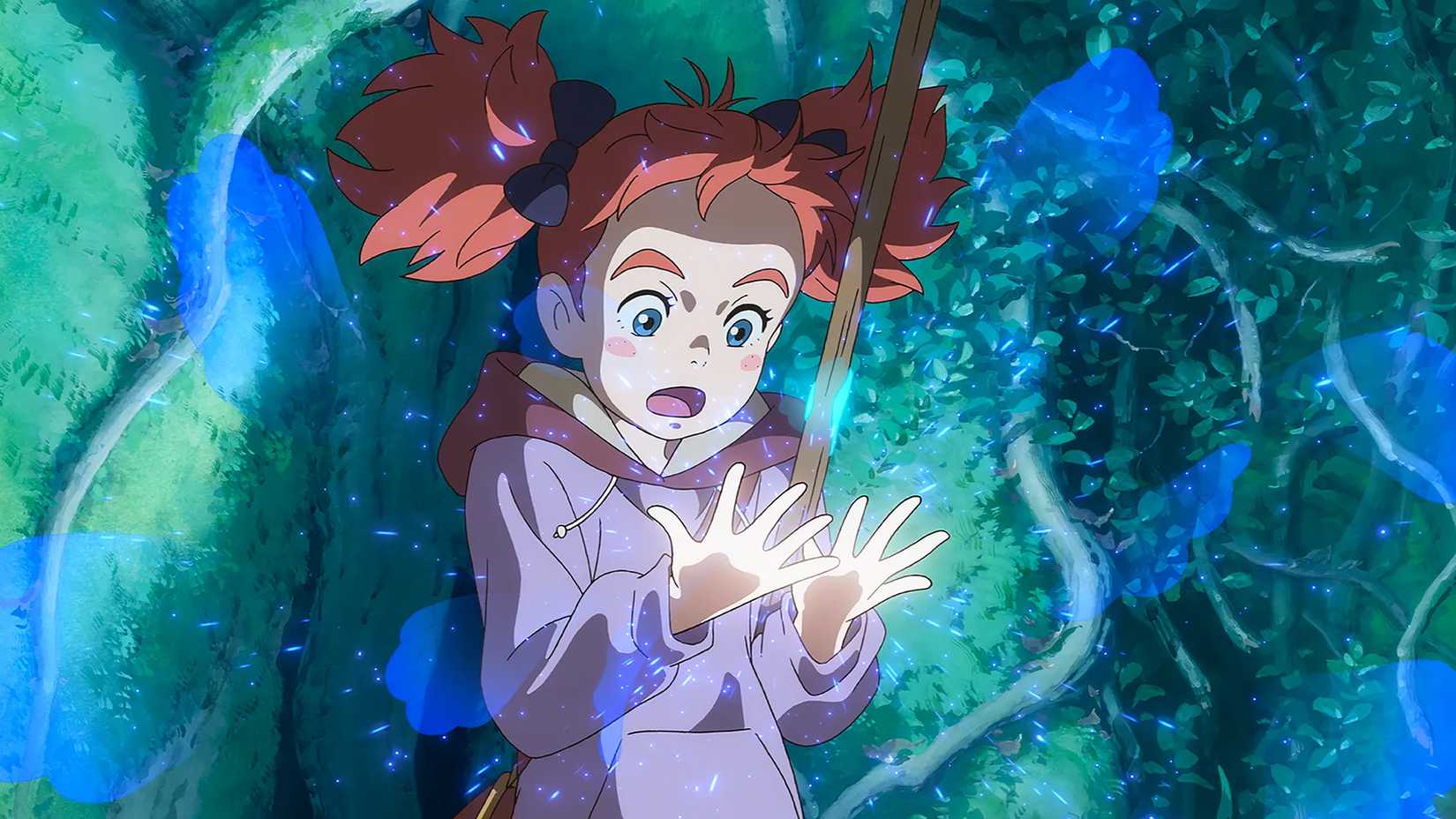
Studio Ponoc’s first feature film has plenty of the magical wonder associated with its creators’ previous work at Studio Ghibli. Based on Mary Stewart’s 1971 novel The Little Broomstick, Mary And The Witch’s Flower follows Mary Smith, a young girl who discovers a mysterious flower that blooms once every seven years. Its magical properties temporarily grant her extraordinary abilities, allowing her to fly on a broomstick and gain admission to the mysterious Endor College.
Director Hiromasa Yonebayashi previously worked on Spirited Away and directed The Secret World of Arrietty and When Marnie Was There. His experience is evident in the film’s gorgeous environments, expressive character animation, and imaginative magical sequences.
Its story occasionally relies on familiar fantasy conventions, and at times can feel quite narratively thin. However, Mary and the Witch’s Flower captures the excitement of discovering a world where almost anything is possible through utterly entrancing visuals.
3
Belladonna Of Sadness (1973)
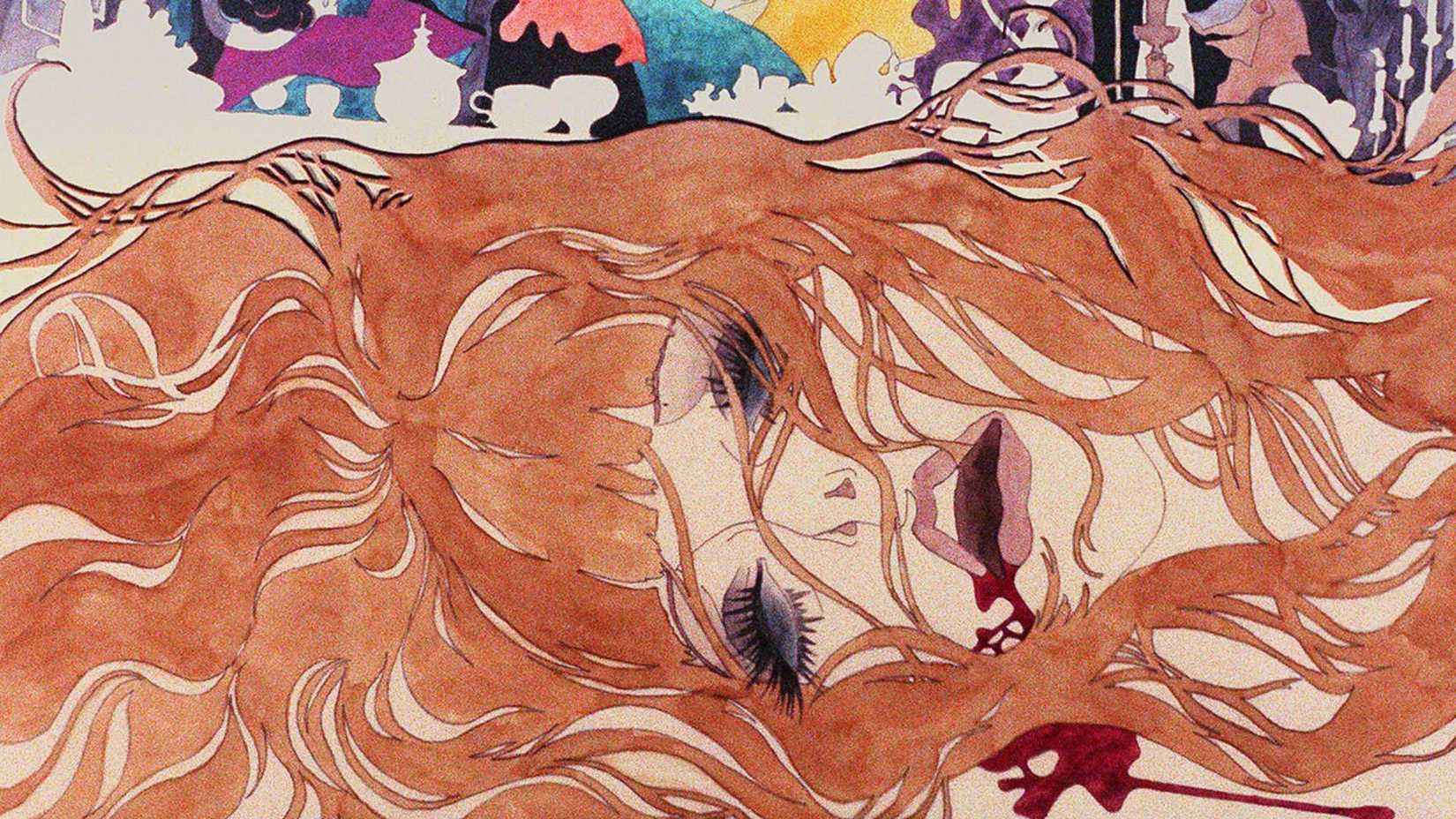
Belladonna of Sadness is easily the most adult and disturbing film on this list. The experimental Japanese animation follows Jeanne, a peasant woman who turns to the Devil after suffering horrific abuse at the hands of her feudal lord. Her supernatural bargain gradually transforms her into a powerful witch, but her growing influence threatens the patriarchal authorities who control the community.
As Jeanne gains confidence and power, the film develops into a provocative exploration of female sexuality, oppression, and rebellion. Visually, Belladonna of Sadness is unlike almost anything else in animation. Its watercolor imagery, elaborate compositions, and psychedelic sequences frequently resemble moving illustrations rather than conventional cartoons.
Much of Belladonna Of Sadness uses limited animation, allowing its artwork to carry the emotional weight of the story. The sexual violence and explicit imagery make it emphatically unsuitable for younger audiences, but its audacious artistic direction and unconventional feminist themes make it one of the most enchanting animated witch films ever produced.
2
Spirited Away (2001)
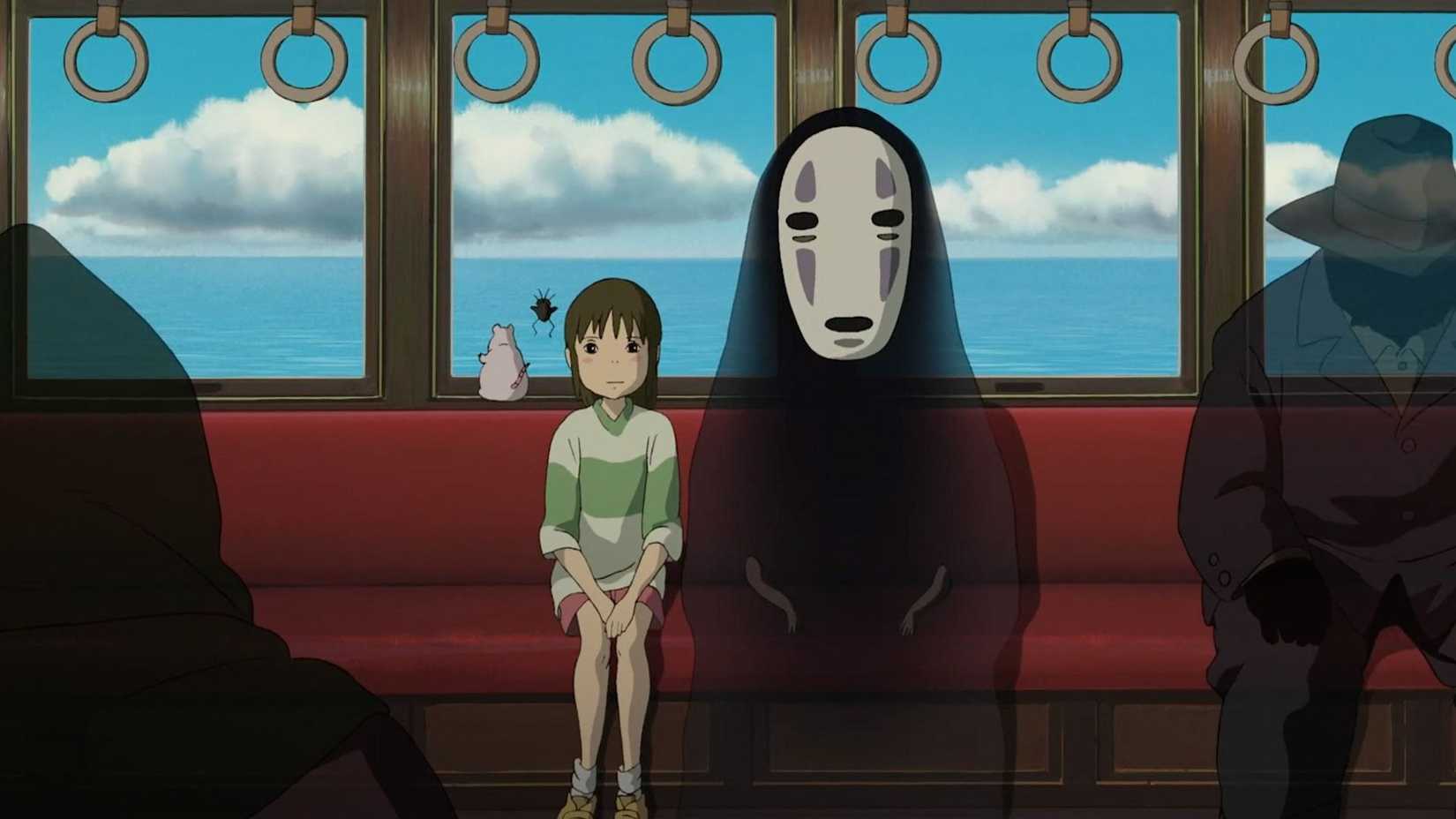
Spirited Away is rightly considered one of the greatest animated films ever made, and its central antagonist is one of animation’s most memorable witches. When ten-year-old Chihiro becomes trapped in the spirit world, she must find work at a gigantic bathhouse operated by Yubaba, a formidable sorceress who steals her employees’ names and exercises extraordinary control over their lives.
Yubaba is a brilliant creation. Her enormous head, extravagant appearance, and terrifying magical abilities make her immediately imposing. The film’s witchcraft is also woven into its wider exploration of Japanese folklore, with Yubaba’s bathhouse populated by spirits, strange creatures, and supernatural visitors. Chihiro’s survival does not depend on learning magical abilities, but rather developing courage, compassion, and resourcefulness.
Winner of the Academy Award for Best Animated Feature, Spirited Away is a truly extraordinary achievement in storytelling and animation. Yubaba alone makes it essential viewing for anyone interested in animated witches, even if the film’s brilliance extends far beyond its supernatural antagonist.
1
Kiki’s Delivery Service (1989)
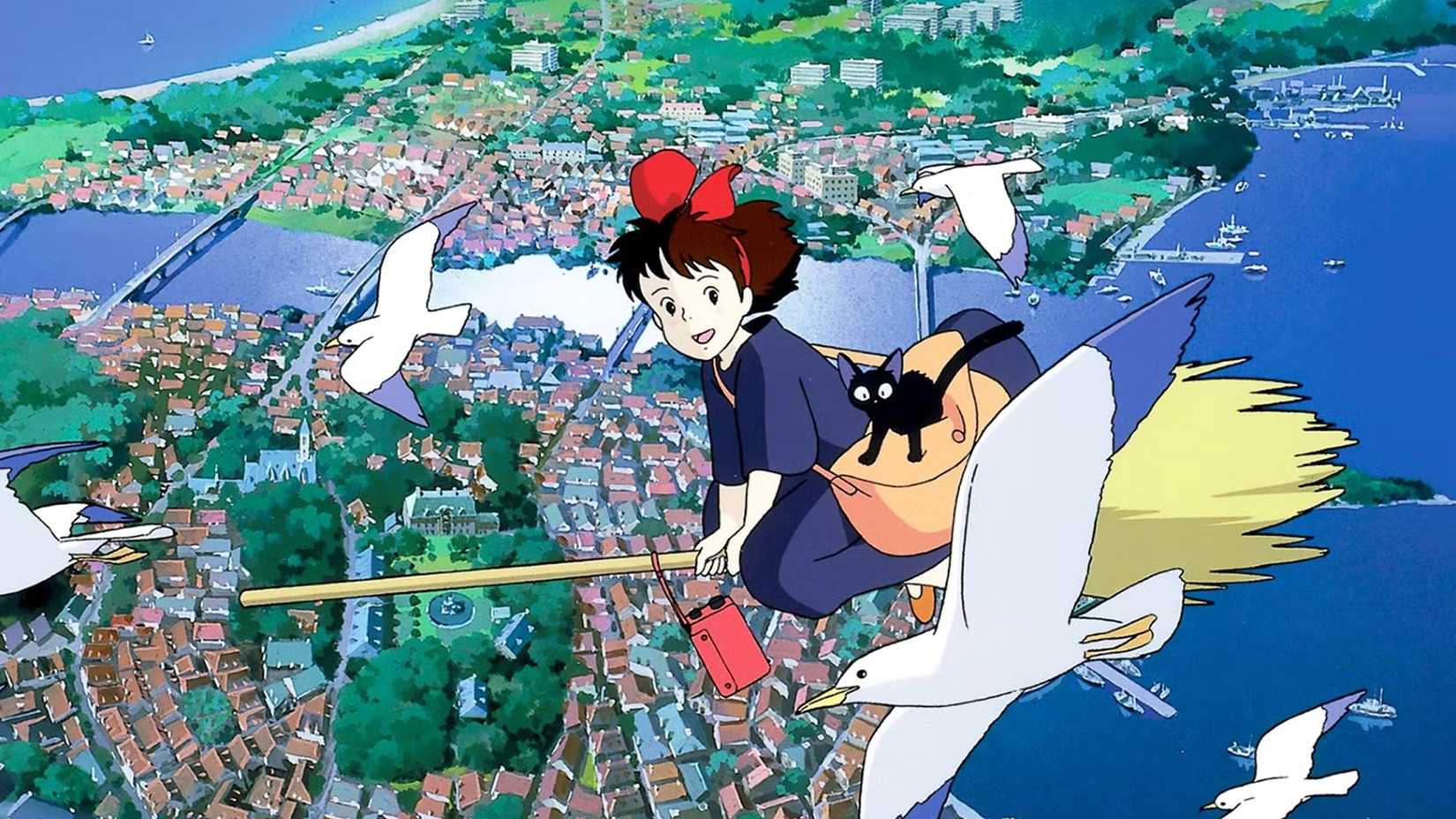
Hayao Miyazaki’s Kiki’s Delivery Service is the definitive animated witch movie because it understands that magic is often most interesting when examining everyday life. Based on Eiko Kadono’s novel, it depicts 13-year-old Kiki, who leaves home with her talking black cat Jiji to complete a traditional year of independent living.
With flying as her only magical skill, she establishes an aerial delivery service from a local bakery, gradually building friendships and discovering the responsibilities of adulthood. However, her magical abilities aren’t unlimited, and the pressures of independence eventually cause her to lose her ability to fly.
Rather than relying on a conventional villain or world-threatening magical crisis, Kiki’s Delivery Service is built around a relatable experience of adolescence: losing confidence in something that once came naturally. The animation is beautiful, particularly the detailed European-inspired city and the expressive sequences of Kiki flying above its rooftops. Other animated films might feature more powerful witches or more elaborate displays of magic, but few capture the wonder of being a young witch quite as convincingly as Kiki’s Delivery Service.