Original Coverage & Source Attribution: www.micropsiacine.com
Spain’s housing crisis has affected virtually every sector of society. It is hardly a new problem, but one that has been building for decades. The gentrification of working-class neighborhoods, with apartments renovated and repurposed to benefit foreign investors or turned into tourist and short-term rentals, has played a major role in exacerbating the crisis. Property prices have soared, becoming prohibitive for most wage earners, even in areas that were once relatively affordable. Drawing on a real-life experience involving the family of series creator Pol Rodríguez, Ravalear explores what is happening in Barcelona’s Raval neighborhood, focusing on a traditional restaurant at the heart of the area.
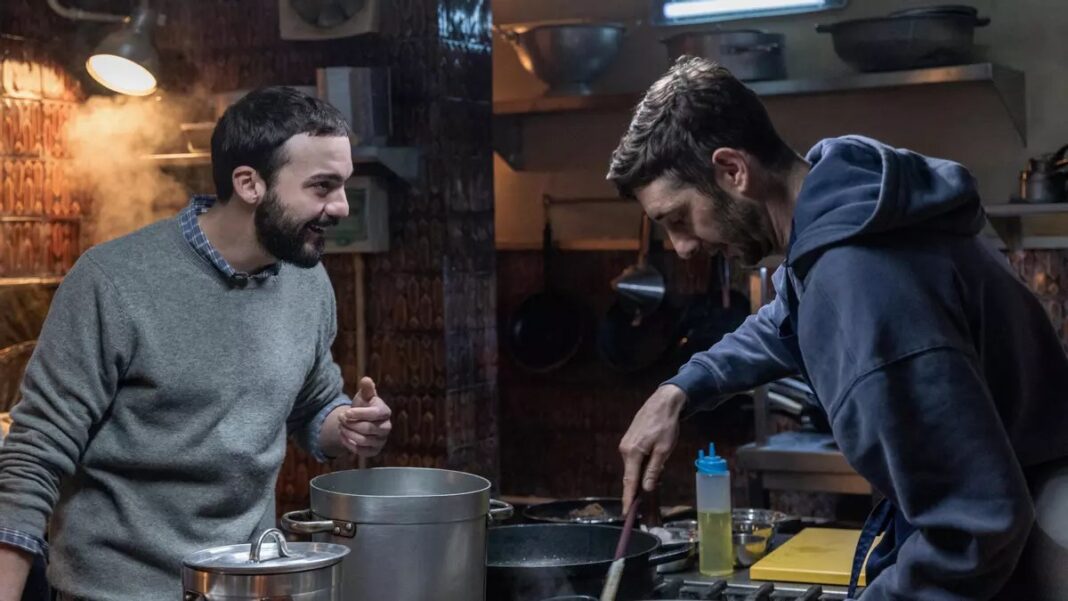
In the series, the restaurant is Can Mosques, a well-known local institution, the kind of historic establishment frequented by everyone from ordinary neighborhood residents to intellectuals and celebrities. Trouble begins when an investment fund called Eurohome buys the building housing the restaurant and decides to triple the rent. The owners simply cannot afford the astronomical increase. This sets the stage for a quiet but increasingly sordid battle, one that initially plays out through financial negotiations before escalating into a fight in which, once all semblance of civility has gone out the window, everyone starts looking for ways to win by any means necessary.
Enric Auquer plays Alex, the eldest son of the restaurant’s owners, a married man with a daughter who serves as something of the public face of the family business while also working at the port. The rest of the family includes his wife Marta (María Rodríguez-Soto), a lawyer who tries to help in her own way; his younger brother David (Quim Àvila), who also works at the restaurant; and their parents (Francesc Orella and Lluïsa Castell), who run the kitchen and take care of the customers. Sergi López plays Cristóbal, the real estate agent tasked with negotiating with the family on behalf of Eurohome. He ultimately answers to the fund’s wishes and financial interests, represented here by Claire (Alba Guilera), for whom the family is nothing more than an obstacle to her real estate plans.
The rent increase is really just a pressure tactic. What Eurohome actually wants is to get the family out of the building so it can renovate the property, or perhaps even demolish it and build something else in its place. And this isn’t an isolated case. The entire neighborhood is being affected by these acquisitions and their consequences: people losing their homes, apartments left empty as investment properties, and so on. Add to that a substantial drug trade operating in the area, and local residents find themselves under siege from every direction.
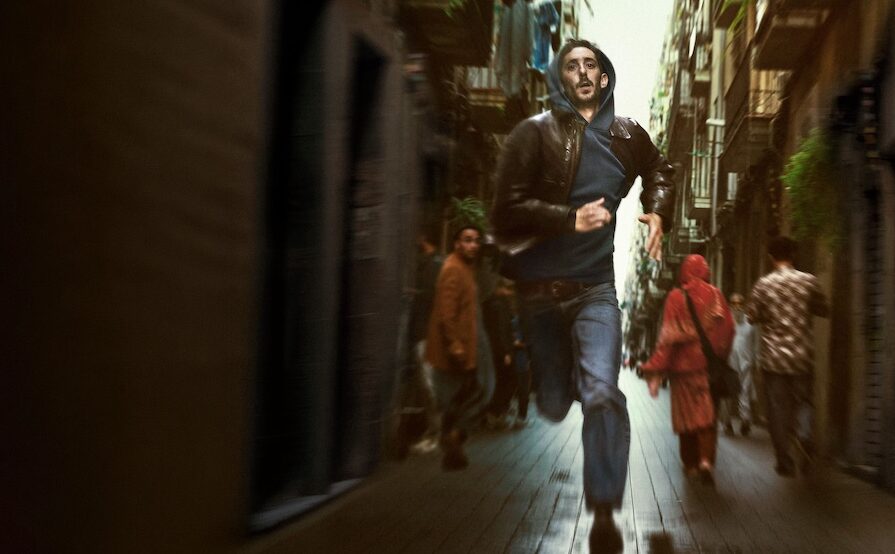
That’s why Alex makes a rather drastic decision: to take on Eurohome using decidedly dirty tactics. In an attempt to force the situation in his favor, he begins resorting to illegal methods that only create more problems. His wife pursues her own course of action, not always through entirely ethical means, while David tries to reinvent the restaurant by turning its menu into «modern cuisine» and attracting a different clientele, mostly tourists. None of these strategies works particularly well, however, and the situation becomes increasingly complicated.
Ravalear uses the framework of an urban thriller to explore gentrification, the housing crisis and the way real estate speculation destroys people’s lives for the financial benefit of a privileged few. Its restless handheld camerawork and up-to-date portrait of class struggle occasionally bring the films of the Dardenne brothers to mind, while its subject recalls both Francesco Rosi’s classic Neapolitan drama Hands Over the City (1963) and Kleber Mendonça Filho’s more recent Aquarius (2016). Pol Rodríguez draws on tension, suspense and violence to turn these issues into a high-impact piece of narrative storytelling.
With two episodes co-directed with Isaki Lacuesta (with whom Rodríguez also made Segundo premio in 2023), Ravalear is an urgent, restless work of striking contemporary relevance, particularly in light of the news coming out of Spain on an almost daily basis. It’s true that the drive to manufacture moments of tension and violence occasionally comes at the expense of subtlety, but the sheer force of the storytelling is undeniable. The same goes for its visual approach: mobile cameras, extensive location shooting, scenes that feel almost snatched from real life, and the use of non-professional actors all contribute to the series’ quasi-documentary texture.
Beyond its thematic references, Ravalear also belongs to a tradition of films portraying Barcelona’s working-class neighborhoods, places that have undergone profound changes over the past few decades. Documentaries such as José Luis Guerín’s En construcción (2001) and Joaquim Jordà’s De nens (2003) tackled similar issues a quarter of a century ago, when the neighborhood looked quite different from the way it does today, even if the underlying problems remain more or less the same. Across six episodes, and through a structure closer to that of a thriller, Rodríguez, Lacuesta and their collaborators make it clear that the problems of then are still the problems of now. Perhaps even worse ones…