Original Coverage & Source Attribution: www.france24.com
Under EU rules, the public deficit — the annual shortfall of revenue to spending — is meant to be no more than three percent of GDP, and debt must not be above 60 percent of GDP.
Both France and Belgium have deficits above five percent of GDP and debt of more than 110 percent of GDP, and face mounting political turbulence.
Dombrovskis, however, appeared sanguine, telling reporters in Brussels: “We see sufficient demand for French sovereign and also Belgian sovereign debt, so we do not see any imminent financial stability issue.”
But, he added, “clearly with this level of spreads it is important to make sure that deficit and debt is put on a downwards trajectory”, referring to their increasing borrowing costs.
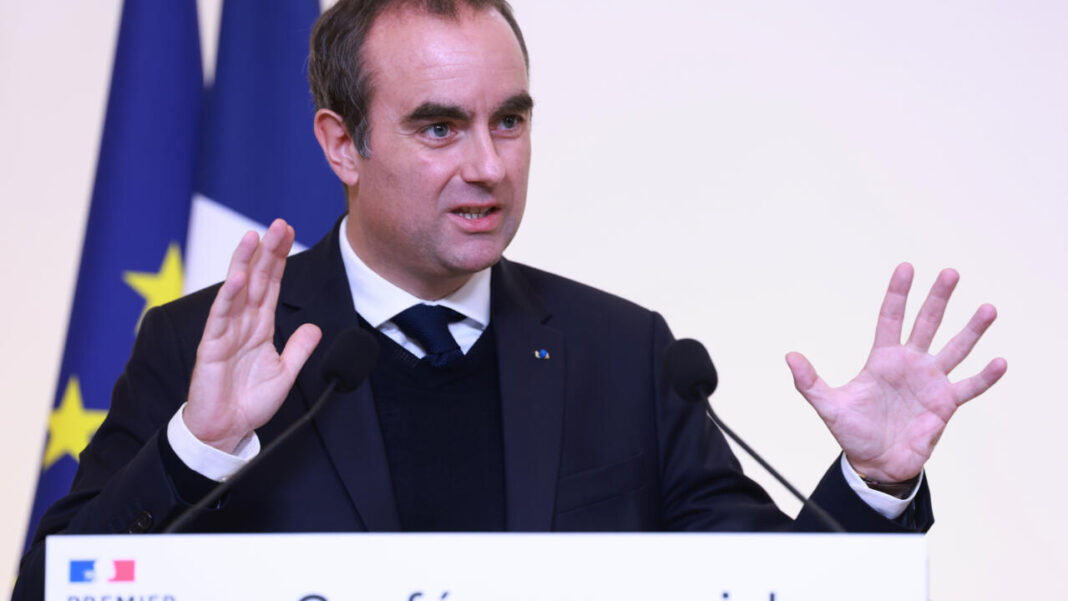
In France, the EU’s second-biggest economy, Prime Minister Sebastien Lecornu is struggling to pass a deficit-cutting budget for 2027 in a parliament where President Emmanuel Macron’s centrists no longer hold a majority.
International investors have expressed widespread concern over France’s debt level and this has pushed up the interest yields it pays to service debt, which is one of the highest in Europe.
The country will hold a two-round presidential election in April-May 2027, and there are concerns over how France would be able to cut debt after the vote.
France’s debt level is expected to be 119.2 percent of GDP in 2026, the commission said, while its deficit this year will be 5.5 percent of GDP.
The EU expects French debt will keep rising to more than 123 percent of GDP in 2028, and Belgium’s debt will reach more than 115 percent in the same year.
In Belgium, Prime Minister Bart De Wever is scrambling to get a new cost-cutting budget with his governing partners over the line. Failure to strike a deal could potentially bring down his government.
Belgium’s debt level is expected to be 111.2 percent of GDP in 2026, the commission forecast, while its deficit is 5.2 percent of GDP this year.
The EU executive will next week make its recommendations on member states’ budgets, including those in the sin bin over high deficit levels.