Original Coverage & Source Attribution: www.contentgrip.com
Deliveroo and Tesco revive Cheryl’s milk-run confession in a campaign spanning 75 UK towns and cities, with a limited signed-merch giveaway.
That old joke about Cheryl being too famous to nip out for a pint of milk in her pyjamas has found a second life, this time in an ad for Deliveroo. It is the sort of line the internet keeps around long after the interview that produced it has faded from memory.
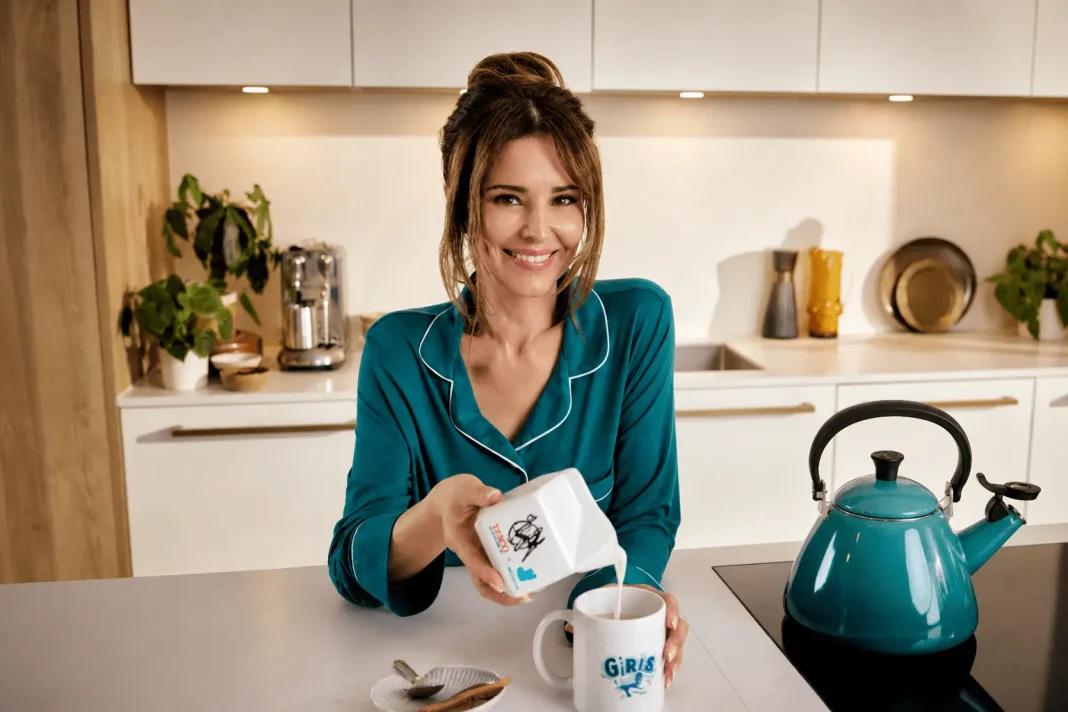
The former Girls Aloud singer is returning to the joke on purpose. A new Deliveroo and Tesco film puts her back in her pyjamas, short of milk and in need of a cup of tea. This time, she can solve the problem without leaving home. The campaign gives a familiar pop-culture moment a product demonstration with a punchline that was waiting in the original story.
Table of contents
Jump to each section:
Cheryl gets another chance to buy milk
In the new film, Cheryl is getting ready to make a cup of tea when she discovers the milk has run out. Instead of attempting a discreet trip to the garage, she taps Deliveroo. A courier arrives with milk from Tesco, allowing her to continue her morning in her pyjamas.
The creative, developed by PR agency The Romans, promotes the addition of Tesco groceries to Deliveroo across 75 UK towns and cities. Customers can order from a range of everyday items, with Deliveroo advertising delivery in as little as 20 minutes in eligible locations. That is the brand’s service claim, not a guaranteed arrival time for every order.
According to Little Black Book’s October 28 report, the campaign is a newer phase of the Tesco partnership, following an earlier advertising push created by Pablo. That distinction matters. The supermarket offer did not suddenly appear because of Cheryl; her role is to give the existing shopping proposition a familiar human situation.
The film does not require a complicated setup. Running out of milk is an ordinary nuisance, while a pop star unable to buy her own milk is an enduringly odd detail of fame. Put together, the two stories turn a familiar inconvenience into a reason to remember the service.
Firefox recruits old internet memes for a browser comeback
Mozilla’s new browser ads reunite early viral faces and connect their old jokes to current concerns about tracking and unwanted AI.
ContentGrip
Why the original joke still works
Cheryl’s old account of fame was about losing the ability to do something mundane. Fans kept repeating her line about being unable to run to the garage in pyjamas, an image that felt funny precisely because the errand was so ordinary.
The joke has followed her through changes in pop culture and celebrity attention. In a fresh interview with LADbible, Cheryl explained that she was willing to play along with the revival. Her participation removes the awkwardness of a brand making a joke about a celebrity without that person’s involvement.
The callback also has an unusually precise product connection. Grocery delivery answers the problem inside the original anecdote. The creative team does not have to invent a new role for Cheryl or attach an unrelated product to an old catchphrase.
That is different from a generic celebrity cameo. A viewer who remembers the original comment gets the full joke; someone who has never seen it can still understand a person in pyjamas discovering there is no milk. The advert works at both levels without requiring everyone to know the history.
The campaign goes beyond the film
The gag is also being packaged as something people can own. Deliveroo’s limited-edition Cheryl-Skimmed bundle pairs silky teal pyjamas with a ceramic milk jug signed by Cheryl. Customers ordering Tesco through Deliveroo between October 28 and 30 are entered into a draw for the merchandise, subject to availability and the promotion’s terms.
It is a deliberately specific prize. A signed jug is unlikely to make sense as a universal grocery offer, but it does make sense within the milk-and-pyjamas joke. The object extends the campaign from an ad someone watches into a souvenir for people who already enjoy the reference.
The broader rollout includes paid and organic social content developed with Coolr, influencer and media gifting, outdoor activity in Newcastle, and a partnership with Love of Huns, according to Little Black Book. Those channels let the brand repeat the joke in different formats, while the product message remains consistent.
The campaign’s mechanics do not prove that the meme will increase orders. Deliveroo has not published conversion, viewership or incremental-sales results for this activation. What is visible is the choice to connect attention, a shopping action and a promotional prize around one recognizable cultural reference.
What marketers can learn from a recycled meme
Brands frequently borrow nostalgia, but recognition alone does not answer why someone should care about a new product. Cheryl’s campaign offers three more specific lessons about making an old internet moment useful again.
- Find a product problem already inside the story. The original line mentions a missing pint of milk. Grocery delivery solves that exact situation, so the brand’s presence feels connected to the setup rather than added afterward.
- Let the original person own the joke. Cheryl appears as an active participant, not simply a face from an old clip. Her willingness to revisit the anecdote gives the ad a more natural tone than an imitation or surprise reference.
- Make the participation tangible. The signed milk jug and pyjamas are recognizable extensions of the gag. They give fans something specific to win without forcing the campaign to invent a second creative concept.
A related Firefox campaign recently reunited early internet meme personalities to talk about the web itself. Deliveroo takes a narrower route: one old celebrity quote becomes the scenario for a modern product use case. Both depend on people recognizing something they have encountered online before, but the commercial stories are different.
For consumer brands, the larger lesson is that a cultural reference works best when it still makes sense after the nostalgia wears off. A viewer may not remember where the milk quote originated. They can still remember the moment when Cheryl ran out of milk and ordered another pint instead of leaving the house.
This article is produced by ContentGrow. We’re building branded media outlets for B2B companies. Interested in learning more? Learn more.