Original Coverage & Source Attribution: www.icirnigeria.org
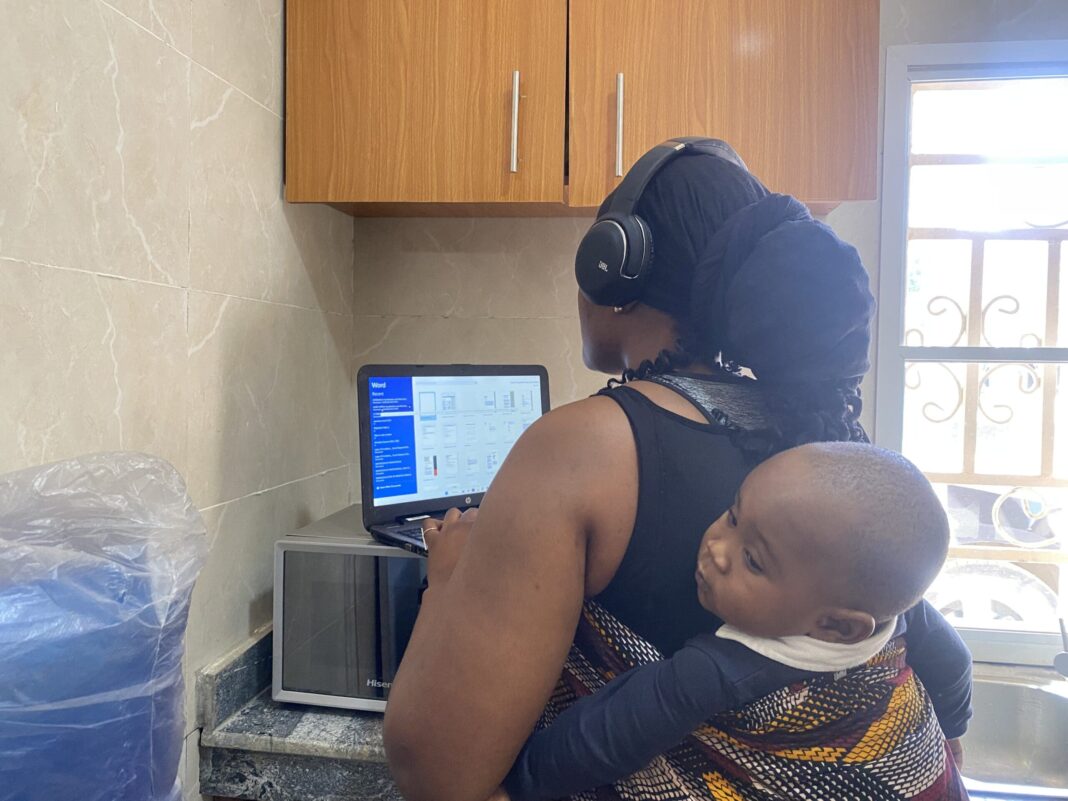
The COVID-19 pandemic transformed workplace practices worldwide, establishing a new normal. While only a few organisations operated remote or hybrid work arrangements before 2020, the pandemic era made the concept necessary.
The adoption of these flexible styles can also be linked to factors such as economic hardship, technology and global influence at large. The high cost of living, especially commuting to work and the constant hikes in petrol prices, made it easy for employers and workers to adopt remote arrangements. Yet while working from home creates flexibility, it also has its challenges.
In this report, The ICIR spoke with workers- five hybrid and five fully remote who shared how these arrangements affect their health, daily routines, and finances.
Understanding hybrid and fully remote work
According to the Oxford Review, hybrid work is a flexible work model that combines in-office and remote work, allowing employees to split their time between physical workplaces and virtual settings. It noted that the model offers a balance between structured, collaborative office environments and the autonomy of remote work, promoting both productivity and well-being.
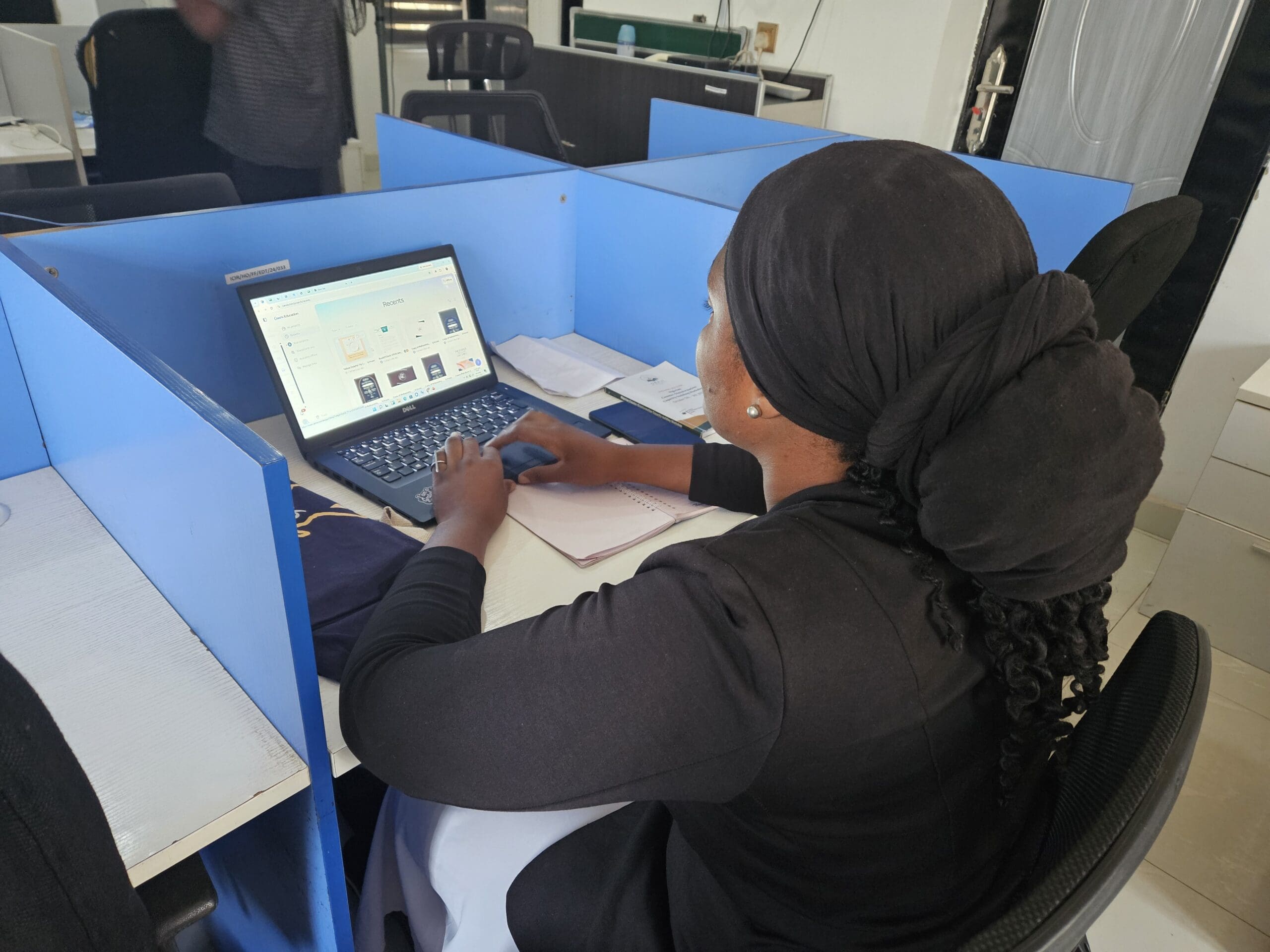
Working fully remote, on the other hand, means performing a full-time job at home or from another location outside a company’s office. This means that workers rely completely on digital tools for meetings, collaboration, and daily tasks.
Philip Obaji, a journalist and a correspondent for The Daily Beast in Nigeria, said working from home allows him more time to spend with his family. He does not commute to work and therefore, separating work time from family time is sometimes difficult because he frequently checks his emails or completes tasks even after work hours.
According to Obaji, his physical and eating habits have also changed since he started working from home.
“I snack more often because food is always nearby,” he said, adding that “I also drink more coffee to stay alert.”

Obaji is not the only one with challenging physical and eating habits. Joshua Akintayo, a data analyst who works hybrid, explained that while office days make him eat out of commuting stress, working from home leads to frequent eating and snacking throughout the day.
“In the office itself, you’re a bit more self-conscious and restricted, so you can’t just be grazing at your desk all day. At home, I’m completely in my comfort zone, and everything is right there in the kitchen. Because I’m relaxed and in my own space, I naturally find myself eating more regularly and snacking a lot more throughout the day,” he explained.
Mba Chinecherem Goodluck, a writer and a remote worker, said he often skips meals while engrossed in work and only eats when necessary.
Like Goodluck, Oluseyi Ogundipe, a UI/UX designer who works fully remotely, said irregular eating habits and heavy consumption of carbonated drinks eventually forced him to start taking dietary supplements.
Beyond diet, eight out of 10 people that The ICIR spoke with acknowledged that they move around less and do less physical activity when working from home.
“I have gained almost 10kg in less than two months simply because of the carbonated drinks and food that I take,” Jonathan Shekwonuzhibo, a remote social media manager, noted.
Goodluck, however, says he created a routine around his work style. “So what I do is this: when I happen to leave the house, maybe for church service or something that requires my physical presence and it is a walkable distance, I do the trekking instead of entering keke. I do this to retain my physical fitness,” he said.
In February 2022, the World Health Organisation and the International Labour Organisation called for measures to protect workers’ health while teleworking. According to the report, teleworking without proper planning and organisation of the workers might lead to isolation, burnout, depression, home violence, musculoskeletal and other injuries, eye strain, increased smoking and alcohol consumption, prolonged sitting and screen time and unhealthy weight gain.
Furthermore, a 2023 neurological analysis published in The International Journal of Business and Management highlighted Gallup data showing that 40 per cent of employees worldwide now work at least part of the time remotely, marking a 10 per cent increase from 2020. While this shift offers autonomy, the paper cited Microsoft research showing that remote work led to a 25 per cent drop in the size of employee collaboration networks and a 5 per cent decrease in cross-team communication.
The analysis also noted that constant digital notifications and back-to-back video calls force the brain to work harder to process virtual cues, triggering Zoom fatigue and releasing stress hormones like cortisol and adrenaline. According to the analysis, when workers check messages late at night or early in the morning, screen light and mental stimulation also suppress melatonin, disrupting sleep cycles and leaving employees mentally exhausted the next day.
It further explained why remote workers often feel disconnected. Without regular face-to-face interaction, the brain produces less oxytocin, a hormone that supports social bonding and reduces feelings of loneliness. However, the analysis noted that hybrid work can help balance these effects, as combining occasional in-person collaboration with the autonomy of working from home stimulates both social bonding and motivation.
Ibukun Oguntola, a public health expert and Senior Programme Manager at Nigeria Health Watch, said remote work carries hidden health risks that affect both the body and the mind. He explained that sitting at a desk all day promotes a sedentary lifestyle, which increases the risk of obesity, cardiovascular diseases, diabetes, and other non-communicable diseases as remote workers snack on junk food and skip exercise.

Oguntola pointed out that remote work cuts people off from daily social contact, from casual chats with colleagues to simple public transit interactions, which can fuel loneliness and depression.
To combat these risks, he advised remote workers to be intentional about carving out time for physical activity and staying connected with family and friends.
“Make sure you take one hour out of your day to do exercise, to walk around, to run. Make sure you go out, talk to people. Make sure you connect more with your family, call your family if you live alone, speak to people around you. All these things could potentially help you avoid some of these big falls of remote work,” he stressed.
Despite the health challenges, most of the hybrid workers who spoke with The ICIR said they get more work done at home than in the office. Out of the five hybrid workers interviewed, three said they are more productive on their remote days, and only one said she gets more done in the office, while the last one could not say for sure.
Maryam Afolabi, a video editor, said working in the office comes with too much idle chatter and distractions.
“At home, I have the flexibility to work whenever I want, and as a morning person, I can wake up early to get work done and finish working by 12 noon. The flexibility makes me work more when I’m at home, because there’s no routine,” she said.
Vincent Lubemshima, an ICT officer, said the same thing. He explained that not having to commute to and from work makes him more relaxed and focused on finishing his tasks.
Ethan Abanikannda, who works in project management, also said he gets more work done at home than at his workplace.
On the other hand, Joy Oke, partnership and operations manager with Asviol Support Initiative, was the only hybrid worker who said she gets more done in the office, explaining that living with her family means she deals with constant distractions at home.
A 2024 study published in Nature tracked 1,612 employees across engineering, marketing, and finance over six months, comparing staff working full time in the office with those working from home two days a week. Led by Stanford economist Nicholas Bloom, the researchers found that splitting time between home and the office caused zero drop in performance reviews, promotions, or the lines of code written by computer engineers, while staff resignation rates dropped by one third.
According to the study, the 395 managers involved before the trial predicted that hybrid work would reduce productivity by 2.6 per cent, but by the end of the experiment, their assessment shifted to a 1 per cent gain.
The financial advantage of working from home
Every worker who spoke with The ICIR said staying at home generally saves them money, even after factoring in extra household bills.
Oluseyi Ogundipe, a remote worker, explained that cutting out daily transport more than covers his monthly unlimited Internet plan, while using a power station keeps him from spending money on fuel. Philip Obaji agrees, saying he spends more on electricity, internet, and groceries, but still saves money overall because he no longer pays for transport or work clothes.
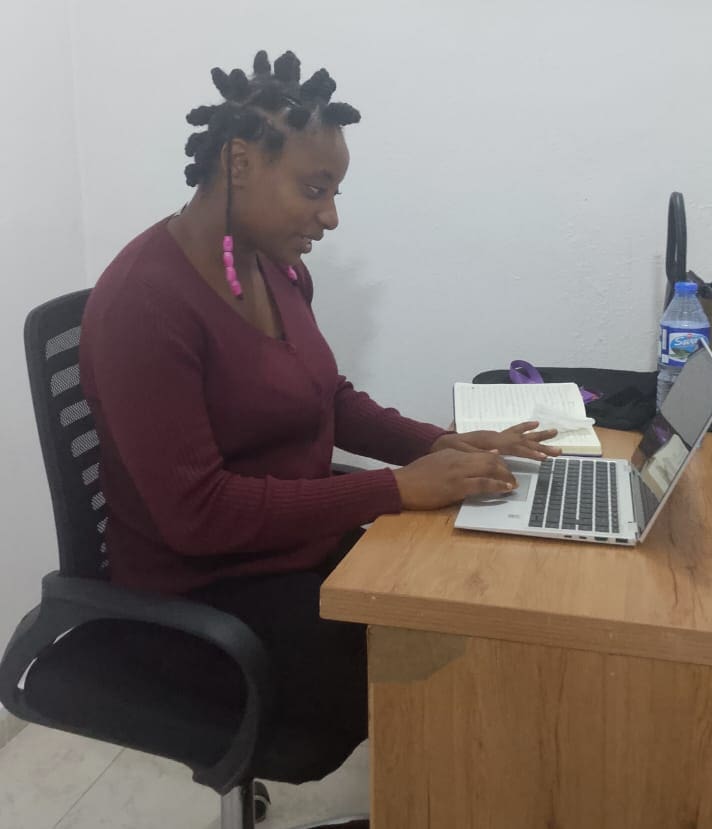
Image of Joy Oke at the office for illustrative purposes. Joy Oke, a hybrid worker, said she spends more on office days because she has to buy food, whereas working from home allows her to cook her food, which is cheaper. Akintayo corroborated this, adding that stepping out for the office triggers extra expenses.
“The moment I step out for an office day, the expenses pile up. First, there’s the cost of commuting, and because the commute itself is so stressful and draining, I end up spending even more money buying extra food and drinks outside just to keep my energy up,” he said.
Chris Kaka, an economist and national programme coordinator at Trade Network Initiative, said working fully remote is more cost-effective for the average Nigerian worker than a hybrid schedule. He noted that removing daily commutes prevents employees from losing half their income to transportation, while eliminating the pressure to buy corporate clothes and saving hours previously lost in traffic.
“Working remotely is more cost-effective. For simple reasons, you get to save on transport, which is about 50 per cent of a monthly pay cheque. Secondly, savings on wardrobe spending in an attempt to look corporate and presentable,” Kaka said.
While inflation has driven up the cost of groceries, data, housing, electricity, and cooking gas in Nigeria, Kaka noted that rising living expenses affect hybrid and office workers just as much as remote staff, meaning working from home still preserves a clear financial edge.
For companies, Kaka explained that moving away from traditional office setups reduces heavy operational expenses, though the exact benefit depends on the nature of the business.
“Remote work models promote savings on office rent, overtime pay, and other office running costs, including but not limited to the cost of energy, which is a big deal in this part of the world,” he concluded.
Additional reports by Blessing Otoibhi
Zainab Abdulrasaq ia a reporter and a fact-checker with The ICIR. She believes that accountable citizenship starts with an accountable government, which is why she highlights injustice and everyday struggles through her reporting, one story at a time. She adores reading and can be reached via [email protected] and @blackbookishgirl on Instagram/Medium