Original Coverage & Source Attribution: en.yenisafak.com
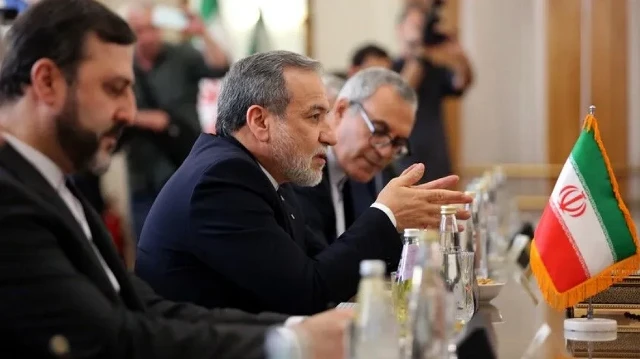
Iranian Foreign Minister Abbas Araghchi said Monday that Tehran is engaged in “intensive shuttle diplomacy” through Qatari and Pakistani mediators, involving dozens of telephone calls as part of efforts to present a clear plan and specific conditions for a diplomatic resolution to the ongoing crisis.
Diplomatic Channels
Speaking to Iran’s state news agency IRNA at the conclusion of a visit to Turkmenistan, Araghchi stated that Tehran had presented a formulated plan for ending the crisis, leaving the next step to Washington and awaiting signs of political rationality from the American side. “We have announced our specific conditions and presented our formulated plan; now everything depends on how much political rationality prevails on the American side and whether there is a will to take the wise path of diplomacy or, as in previous instances, to drag the situation toward aggression and military operations,” he said. Araghchi added that Iran was prepared for both diplomatic and military scenarios “more than ever before,” noting that the mediation efforts have intensified in recent days.
Military Warnings
Araghchi warned that any renewed military action or deception would draw a response “far harsher and more regretful than before,” stressing that Tehran would not bow to coercion or pressure tactics from adversaries. He noted that the reopening of the Strait of Hormuz — a vital chokepoint for global energy shipments — and the full resumption of negotiations depend entirely on the unconditional acceptance of Iran’s “rightful conditions” by the United States and its allies. The minister emphasized that Iran’s defensive capabilities have been strengthened to deter any potential aggression.
Regional Engagement
On his visit to Turkmenistan, Araghchi described strengthening relations with neighboring countries as an “unchanging priority” of Iranian foreign policy, saying the trip focused on advancing major bilateral projects in energy, transit and economic cooperation following agreements reached by the two countries’ presidents on the sidelines of the Commonwealth of Independent States summit in Awaza. Asked about a visit to Beijing by Ali Bagheri Kani, deputy secretary of Iran’s Supreme National Security Council, Araghchi described the consultations as part of Tehran’s continuing strategic and security engagement with key partners on regional peace and stability. The latest diplomatic exchanges come amid continued tensions between Tehran and Washington over the US naval blockade and security in the Strait of Hormuz, according to IRNA.