



Original Coverage & Source Attribution: chicagoreader.com
The Moviegoer is the diary of a local film buff, collecting the best of what Chicago’s independent and underground film scene has to offer.
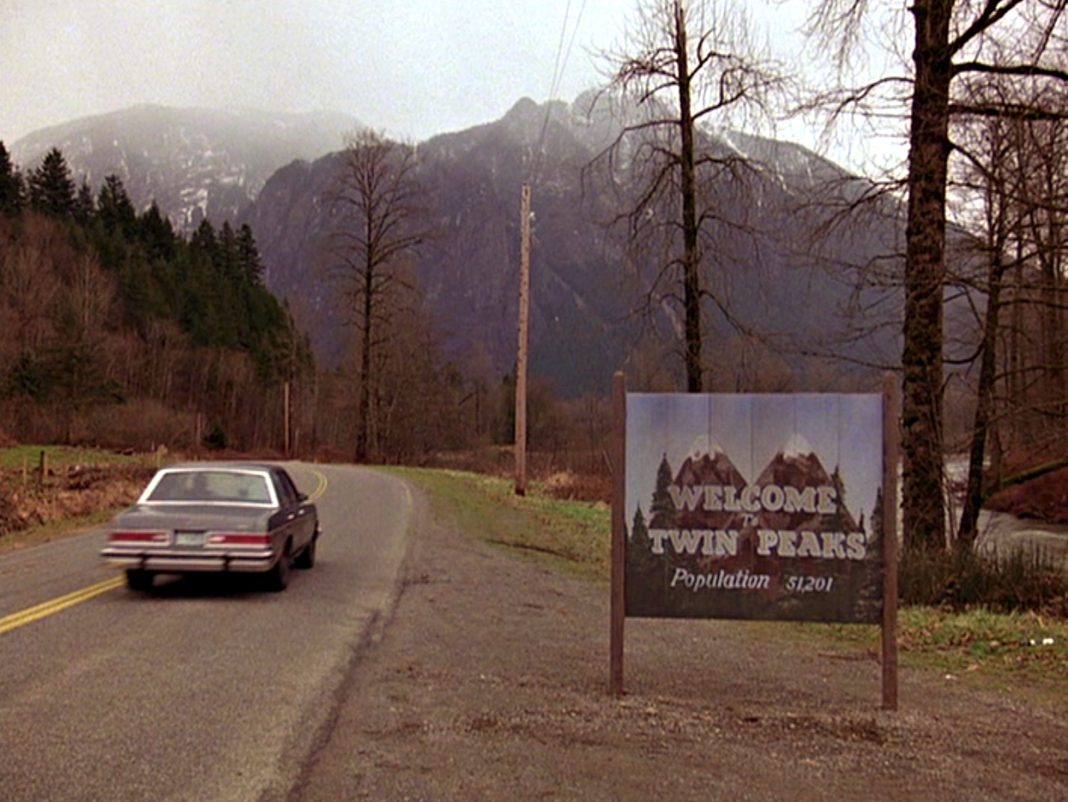
I think one of my earliest memories is of my parents watching Twin Peaks. I’m unsure as to how it fits into the precise chronology of my early life, but I remember it very distinctly. Kyle MacLachlan as Agent Dale Cooper, in his 1981 Dodge Diplomat, talking to the mysterious Diane via a tape recorder. Based on the memory, it was probably the series pilot; I wouldn’t say this is the precise start of my love for the show or David Lynch necessarily, but it’s a core memory nevertheless.
A few weekends ago, the Music Box Theatre hosted Twin Peaks: Moving Through Time, a five-day event focused on Lynch and Mark Frost’s original series. (The Return was not shown but will hopefully be a separate event sometime in the future.) Though I would have loved to satisfy my completionist tendencies and watch the entire two seasons in the theater—an absolute fantasy, as my least favorite thing about watching television is that I can’t do so there—work and life got in the way, so I only did one full day, composed of the first seven episodes of season two. I recently rewatched the first season, so this was suitable to kick off my rewatch of the second.
Lynch said in a 1989 interview with the Los Angeles Times, “I didn’t watch much TV as a kid and I don’t watch it now. I don’t find anything beautiful or unique to the medium, and the only thing you can do on TV that you can’t do in film is make a continuing story—which is so cool! I love the idea of the soap-opera thing.” (Later he’d call The Return an 18-hour film, proclaiming that “the new art house is cable television,” in part because the kind of films he made or would want to see aren’t what’s being financed.) Season two exemplifies this conceit. It’s not as generally beloved as the first, testing viewers’ patience for a story that keeps going after its apparent reason for existing has been resolved; its central mystery—who killed Laura Palmer—is answered in the seventh episode, after which there are 15 more that move it further and further beyond the premise that made the first season so popular.
Series programmer Daniel Knox, who’s programmed multiple exhaustive Lynch retrospectives for the Music Box, always does an excellent job including rarely seen footage and artifacts; among those shown the day I was there were parts of the 42nd Primetime Emmy Awards in 1990, where the first season of Twin Peaks garnered 14 nominations but won only two, both in Creative Arts categories. I’d heard of the other shows that had won the major awards that year, but none would have had quite the same cultural impact as Twin Peaks. Moving Through Time took place four days after this year’s Emmys; I’ve seen little of what was nominated, not really watching much TV in general (aside from reality television, consumed passively, and reruns of Columbo—Peter Falk won over MacLachlan for Outstanding Lead Actor in a Drama Series at the 1990 Emmys, which may be the only justifiable besting that year).
Ultimately, I wish I could watch any TV show at the theater, but it was especially meaningful doing so for Twin Peaks, which exists in that appropriately liminal space between the mediums of television and cinema. If one of my earliest memories is of the show in my childhood home, I’m glad that I can now associate it with my new home, the cinema.
Reader Recommends: FILM & TV
Our critics review the best on the big and small screens and in the media.
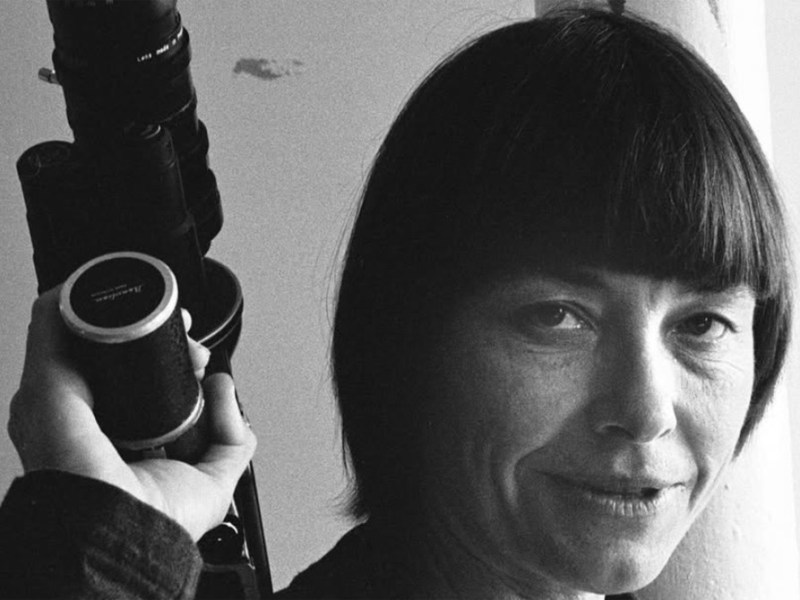
Brydie O’Connor’s care-filled documentary celebrates lesbian experimental filmmaker Barbara Hammer.
Test is a fraught love letter to bodybuilding that flexes with Spartan elegance.
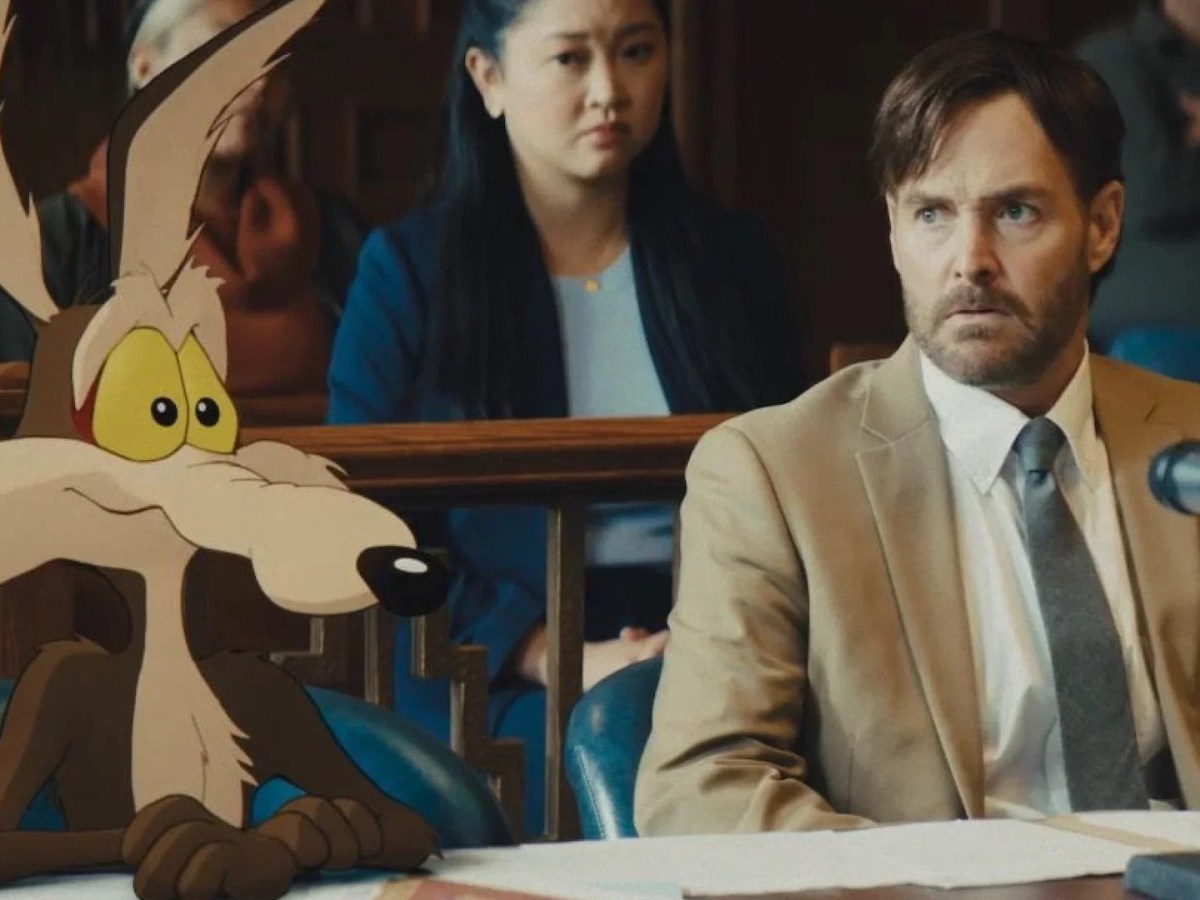
In spite of its years-long distribution delay, Coyote vs. Acme feels perfectly timely and nostalgic.
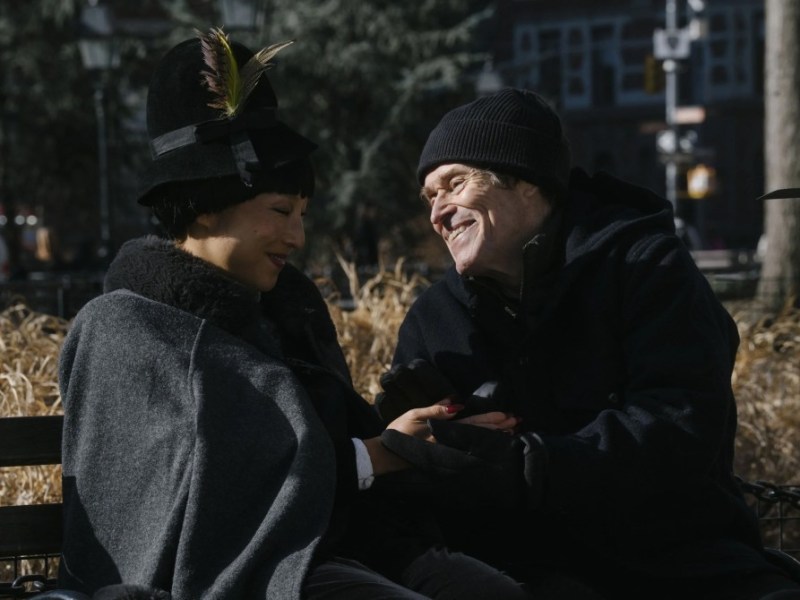
Late Fame is a surprisingly warm satire, held down by all-timer performances.
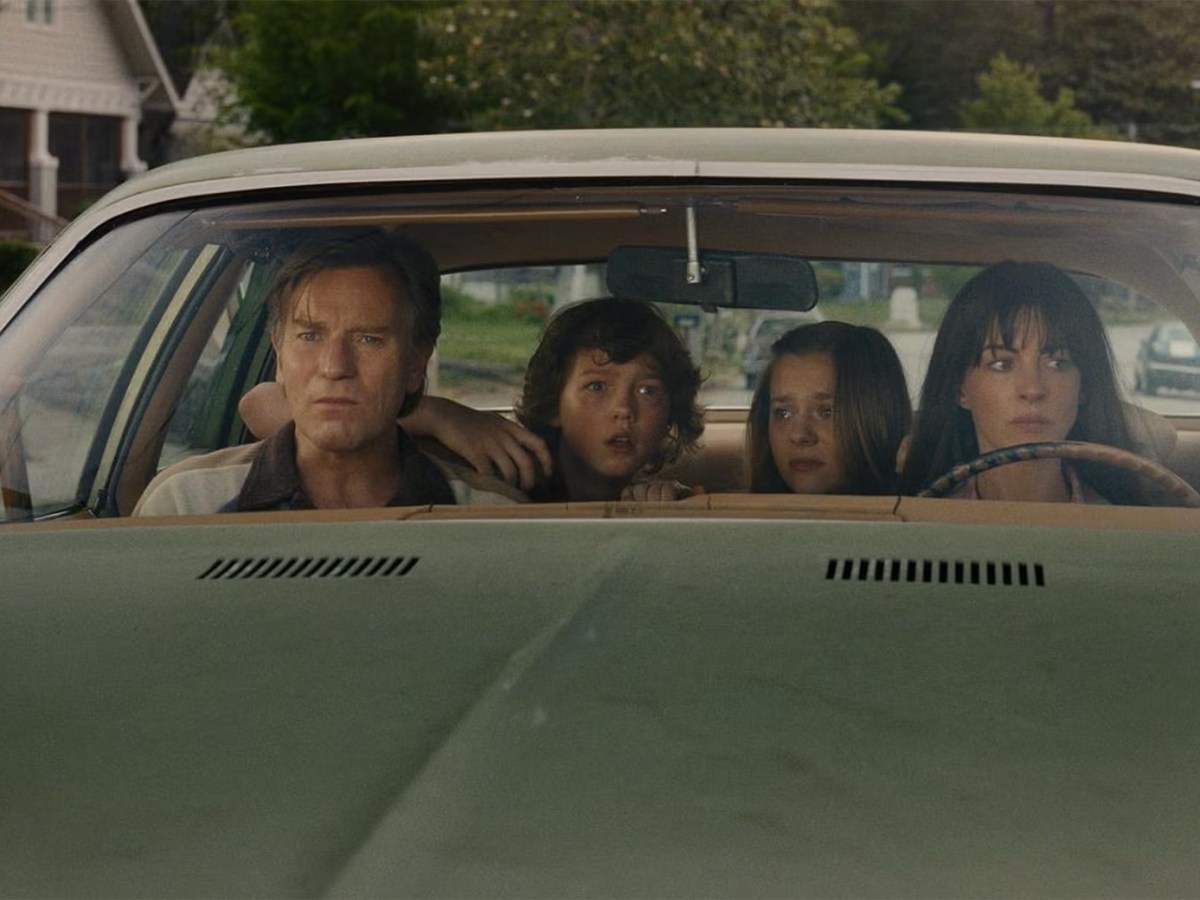
The End of Oak Street is a referential, personal, and balanced adventure film from David Robert Mitchell.
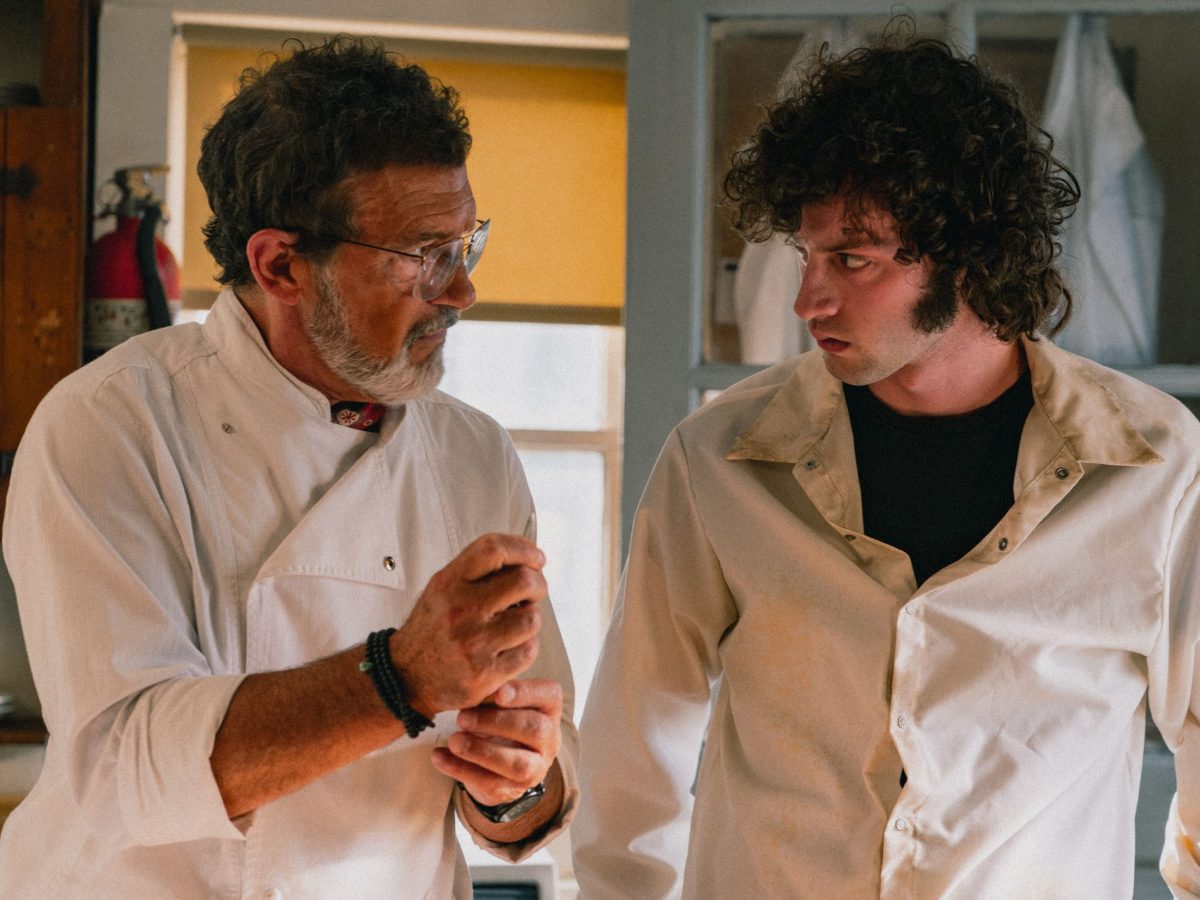
In Tony, director Matt Johnson smartly depicts a snapshot of the life of Anthony Bourdain.