


Original Coverage & Source Attribution: www.jurist.org
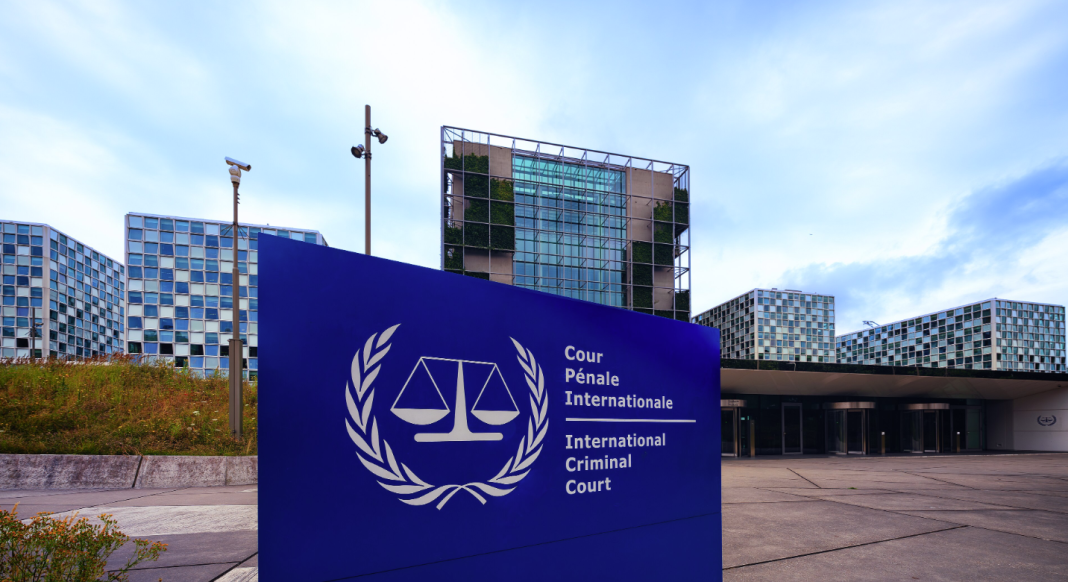
US Secretary of State Marco Rubio placed full sanctions on the International Criminal Court (ICC) on Friday in response to continuing investigations into alleged war crimes committed by US military personnel, Israel and the Trump administration.
“Our message is clear: the United States and its people are not subject to the jurisdiction of the ICC,” Rubio said in a statement. “Either the ICC will end its threats, or we will end the ICC.”
The sanctions will permit the US to seize ICC assets in the US or controlled by “US persons.” There are multiple license exceptions, among which include 180-day grace period licenses, licenses authorizing certain “cloud and software services,” licenses related to ICC pensions, and licenses related to ICC detainees.
The ICC issued a response statement in which they condemned the action and accused the US of undermining international justice. The court wrote:
This measure targets an independent judicial institution, created by treaty and entrusted by 125 States Parties with investigating and prosecuting genocide, crimes against humanity, war crimes, and the crime of aggression. It is an attempt to obstruct the course of justice and to prevent the Court from doing what it was created to do. It is an assault on the rule of law and on the very foundations of the international legal order which strikes at the simple principle that no one stands above the law.
The announcement came the same day South African jurist Navi Pillay won the Nobel Peace Prize for her decades-long work in international justice. A former UN human rights chief, Pillay led a UN-sponsored commission that in 2025 determined Israel committed genocide against Palestinians in Gaza during Israeli occupation of the territory following October 7, 2023, attacks.
The sanctions follow from US President Donald Trump’s February 2025 executive order, “Imposing Sanctions on the International Criminal Court.” The order largely came in response to ICC warrants for Israeli Prime Minister Benjamin Netanyahu and former defense minister Yoav Gallant. Trump primarily relied on sections of the American Service-Members’ Protection Act of 2002, which seeks to protect US military personnel from ICC prosecution when such personnel act to “protect the national interests of the United States.”
The US action represents continued adversarial escalation between US interests and international legal institutions–many of which the US helped create. In January, Canadian Prime Minister Mark Carney called the growing divide between international institutions and national interests a “rupture in the world order.”