Original Coverage & Source Attribution: movieweb.com
HBO has made great thriller shows for decades. In the mid-’90s, the network was best known for movies, boxing, documentaries, and comedy, and was slowly beginning to expand its original dramatic programming. Executive Chris Albrecht, noting the network’s success with prison-related documentaries, helped greenlight Tom Fontana’s project, Oz. Today, the series remains widely celebrated and does many things even better than the network’s more recent hit, True Detective.
Oz creator Tom Fontana, a veteran of network shows like St. Elsewhere and Homicide: Life on the Street, had grown frustrated with broadcast constraints (according to Entertainment Weekly). While working on Homicide, he wondered what happened to criminals after they went to prison and developed a concept set inside a maximum-security facility. After traditional networks rejected versions of the idea, viewing the subject as too dark and uncommercial, HBO picked it up. The rest is history.
‘Oz’ Questions the Effectiveness of the Criminal Justice System
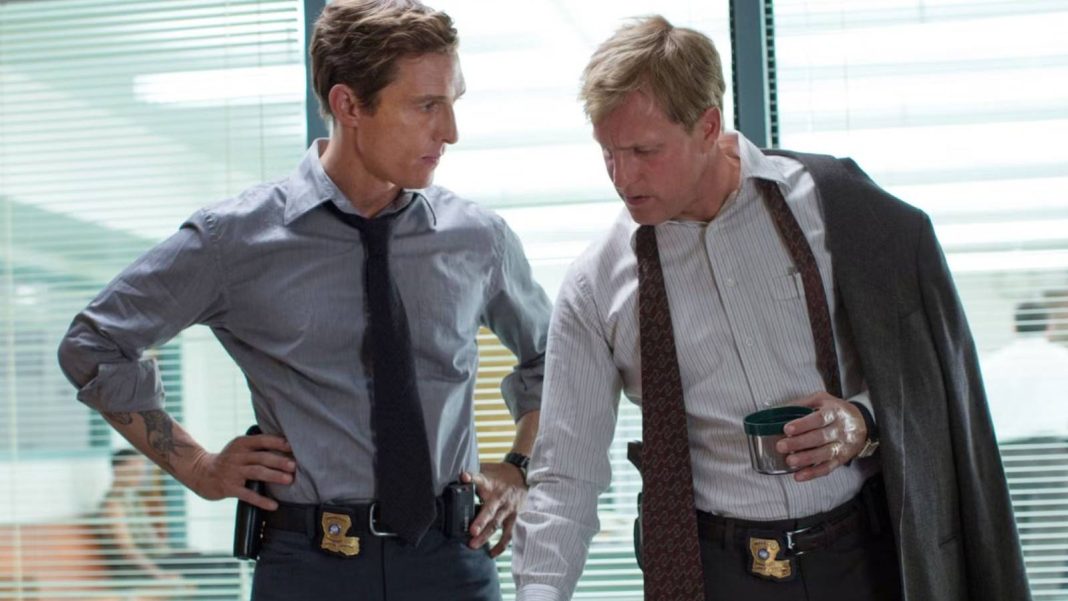
Both Oz and True Detective are masterpiece HBO shows. Still, the former is slightly better because it commits fully to a closed world of irreversible human damage and institutional failure. In contrast, True Detective, even at its peak, remains a flexible investigative story about familiar crime stories that play out in many cop shows.
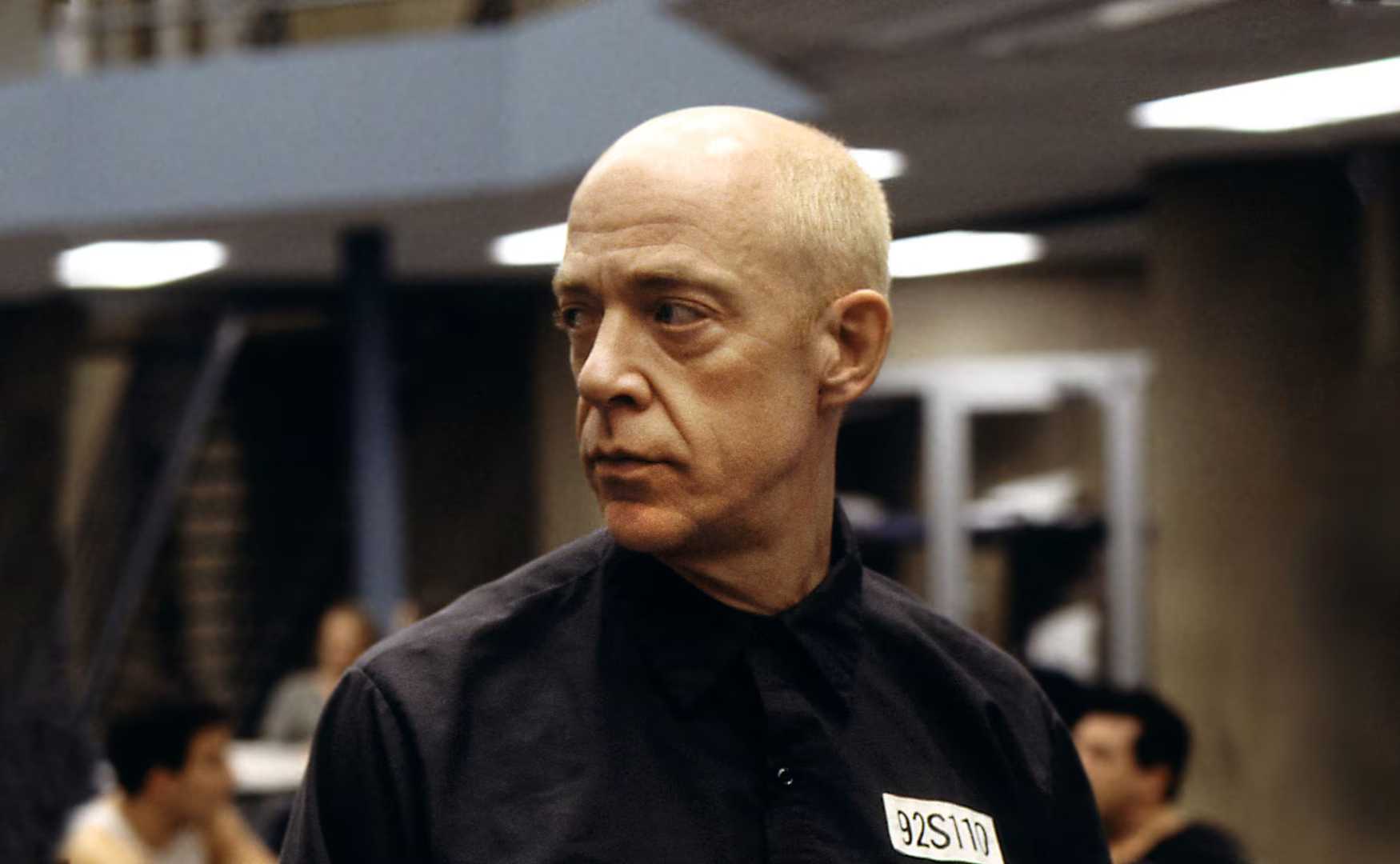
Tom Fontana’s prison series, which ran from 1997 to 2003, drops us inside Oswald State Correctional Facility—nicknamed Oz—and its experimental Emerald City unit. There is no master detective solving a case from the outside. There is only the population: factions sorted by race, faith, and power, plus staff who are often as compromised as the criminals they guard.
The narration favors blunt observation over cosmic philosophy. People live and die here, and who they were before matters little. The show’s violence is not atmospheric dressing; it is the daily logic of confinement. Furthermore, none of the main characters ever feel safe from being killed off.
Characters accumulate scars, alliances, and betrayals that cannot be undone. The prison itself becomes the antagonist. The show constantly probes a system that incarcerates people and makes false promises about rehabilitating its characters.
By contrast, True Detective is structured as an anthology. The acclaimed True Detective Season 1 built the foundation, and since then, each new chapter discards the former world. Oz does not offer that exit. Power shifts, people die or are broken, but the institution remains the same.
The result is a less polished, more relentless, and more honest show about how ordinary cruelty and institutional indifference shape lives over years rather than a single investigation. Few shows beat Oz in this regard.
‘Oz’ Changed Television for the Better
Oz wasn’t just a popular prison show. It proved that hour-long crime dramas and thrillers could be as uncompromising and morally complicated as big-screen productions. It was a confirmation that a premium network could build a reputation on exactly that kind of risk.
Before that, American TV had largely operated under the logic of advertisers and broadcast standards. Heroes were identifiable, language was sanitized, and the worst human behavior was usually kept off-screen or resolved quickly. Oz had no such limitations. There were no clear protagonists, only shifting factions and people who were frequently both victim and perpetrator.
Additionally, the series’ recurring narrator, Augustus Hill (Harold Perrineau), offers commentary rather than comfort. Violence, sex, and profanity were not accents; they were structural. The series demonstrated that audiences would stay for stories in which institutions fail.
Because HBO, as a subscription premium cable channel, did not rely on commercial breaks and was not bound by broadcast indecency rules, Fontana had far greater freedom. He could shape episodes as continuous, novelistic units instead of interrupted commercial vehicles.
Once proven viable, this freedom became the template. The Sopranos came two years later with its own antihero and family-as-institution focus. David Simon’s The Wire later examined systemic failure with an ensemble that owed a debt to Oz’s multi-faction approach. Six Feet Under and subsequent prestige dramas inherited permission to center flawed people, withhold easy moral resolution, and treat the hour-long form as a vehicle for sustained character study rather than episodic reset.
By refusing the old constraints and still finding an audience, Oz expanded what television could attempt and what viewers could be trusted to absorb. We are forever thankful for it.
- Release Date
-
1997 – 2003-00-00
- Network
-
HBO Max
- Showrunner
-
Tom Fontana