


Original Coverage & Source Attribution: fintechnews.sg
Get the hottest Fintech Singapore News once a month in your Inbox
Visa has released survey findings on stablecoin awareness and consumer sentiment across Asia Pacific.
Nearly half of consumers (46%) say they are likely to use stablecoins, digital tokens pegged to an asset such as the US dollar, within five years, yet only 16% have used them in the past 12 months.
The Visa Consumer 360 study surveyed 14,250 consumers aged 18 to 65 across 14 markets, including Singapore, with fieldwork carried out in June and July 2026.
According to Visa, consumers are beginning to see stablecoins as a tool for everyday spending rather than a crypto-trading instrument. Interest extends to online purchases, travel spending and overseas shopping.
Visa survey points to cross-border potential
Cross-border money movement is another area of interest, with 49% of respondents believing stablecoins could become a common way to send money abroad within five years.
Visa said this points to possible relevance for remittances and international transfers.
Hong Kong (84%), India (80%) and Thailand (77%) recorded the highest awareness of stablecoins. Vietnam and India, both at 67%, showed the strongest intent to use them within five years. Visa did not publish a market-level figure for Singapore.

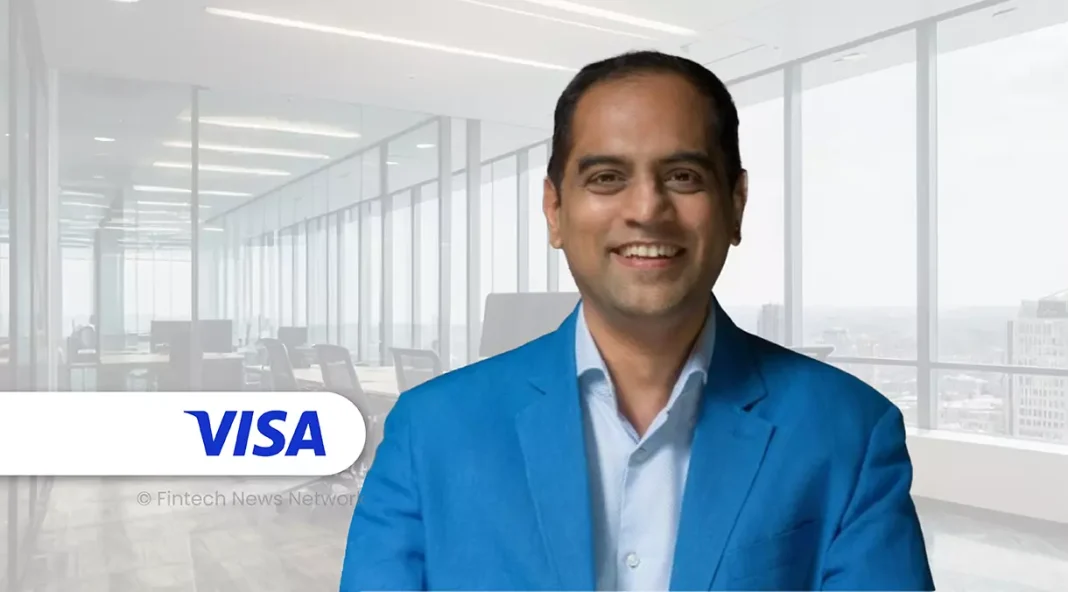
“We’re seeing a meaningful shift in how consumers across Asia Pacific think about stablecoins,”
said Nischint Sanghavi, Head of Digital Currencies, Asia Pacific, Visa.
“Consumers are beginning to see how stablecoins could support the ways they already spend and move money, particularly through online purchases, travel and cross-border transfers.”
Awareness runs ahead of understanding
Two-thirds of consumers in the region (66%) are aware of stablecoins, but only 6% demonstrate an accurate understanding of how they work.
Among those who are aware, 49% believe stablecoins can only be used to buy and sell other cryptocurrencies, while 41% believe stablecoins always increase in value.
Fraud concerns weigh on adoption. Among consumers who know about stablecoins but have never used them, 38% cited worries about fraud or scams and 36% pointed to a lack of understanding.
Respondents placed the most trust in regulated providers, ranking government or central bank-linked entities (27%) and banks or regulated financial institutions (26%) highest.
Visa said adoption will depend on whether stablecoins can be made understandable, secure and useful in everyday payments.
The company is working with banks, regulated financial institutions and payment partners to connect stablecoin capabilities with familiar ways to pay.
That work includes the Visa Stablecoin Platform, which Visa unveiled in July for a select group of beta clients to issue, move and manage stablecoins.
“Consumers want stablecoins to feel like a natural part of the payments they already trust, not a separate system,”
said Sanghavi.
“Our role is to connect emerging stablecoin technology with the secure, familiar payment experiences consumers rely on every day.”
The Monetary Authority of Singapore (MAS) is consulting on amendments to the Payment Services Act that would give its stablecoin framework legal force.
Issuers that meet MAS requirements would be able to label their tokens as MAS-regulated stablecoins, and feedback on the proposals is due by 16 October 2026.
Featured image credit: Edited by Fintech News Singapore, based on image by StockOtaku via Magnific